LICENSED   |   BONDED  |   INSURED

618-235-3202
The Invisible Threat: Is Mold Hiding Inside Your Walls?

March 10, 2026
Mold in walls is a "silent menace" that can compromise your home’s air quality and structural integrity long before it becomes a visible eyesore. If you suspect mold or have recently dealt with water damage, don't wait for the problem to spread.

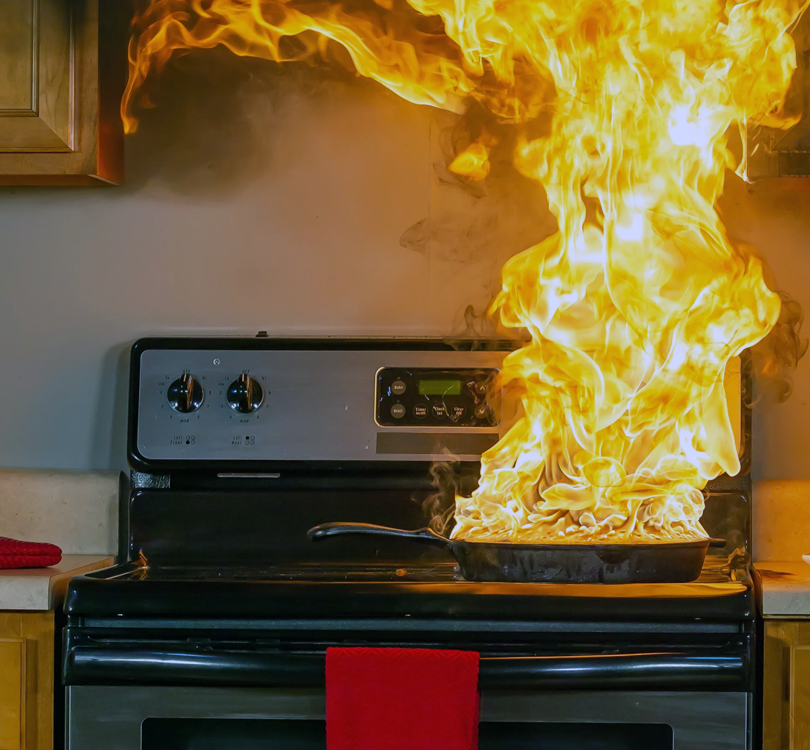
If you've been devastated by watermoldfire, and/or smoke damage, know that your cherished possessions, your home or business, can all be restored to pre-damage condition; bringing back your peace of mind.

Whether water, mold, fire, or smoke causes damage to your home or business, the effects are heartbreaking and often life-changing. We at All Clean Restoration understand the devastation and pain these events can cause. We also understand that quick and proper action is crucial to prevent further damage, red tape, and cost.

Call us any time, day or night:

1-800-4223944

Related Topics:

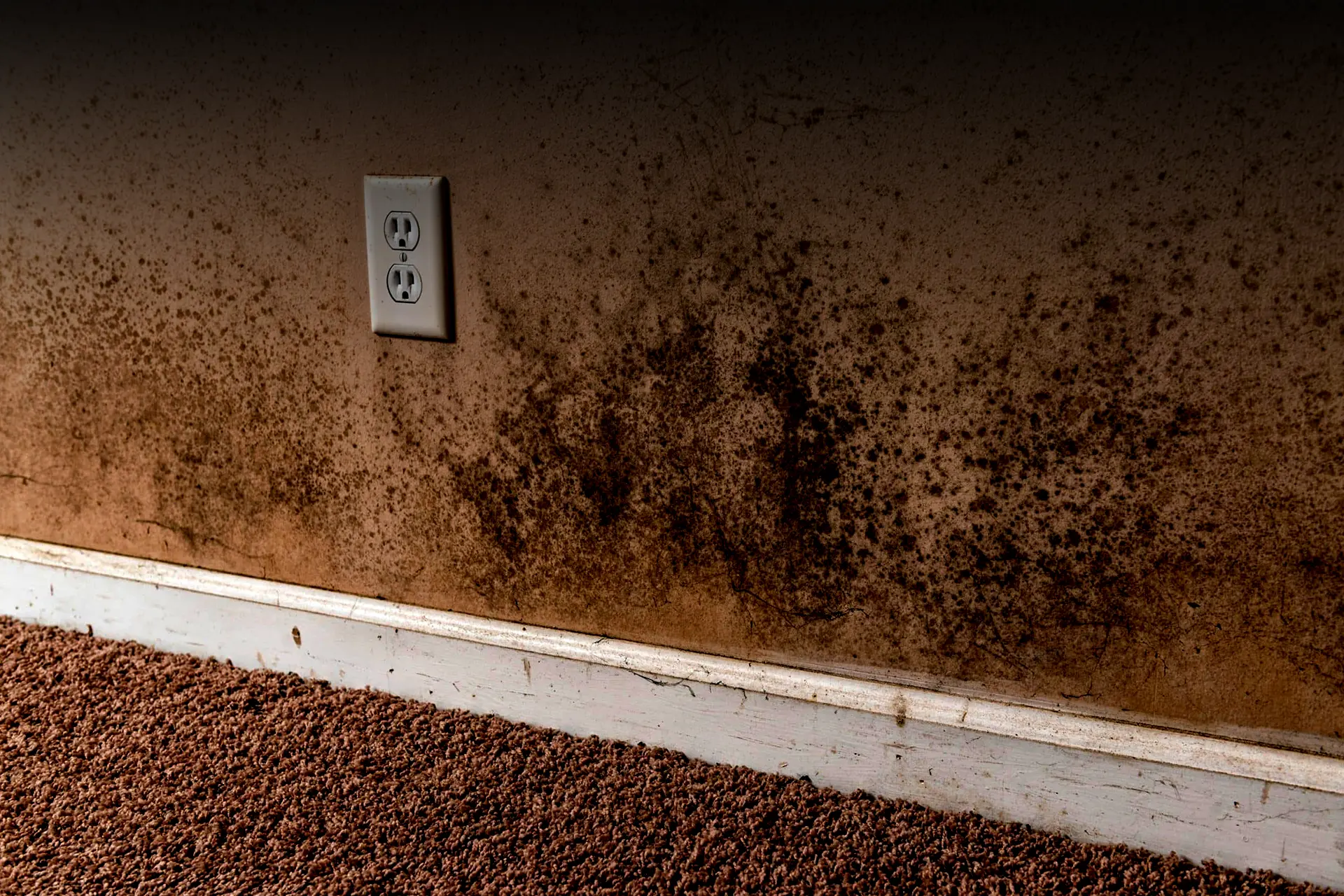
You see a small, dark spot on your drywall and think, “I’ll just paint over it.” But at All Clean Restoration, we know that what you see on the surface is often just the tip of the iceberg. Mold in walls is a “silent menace” that can compromise your home’s air quality and structural integrity long before it becomes a visible eyesore.

If you suspect mold or have recently dealt with water damage, don’t wait for the problem to spread. Call the experts at All Clean Restoration immediately at 618-235-3202 or 314-454-0442.


How Mold Gets Inside Your Walls

Mold spores are everywhere, but they need three things to thrive: moisture, a food source (like the paper on your drywall), and a dark, stagnant environment. Common culprits include:

  • Hidden Pipe Leaks: Hairline fractures in pipes behind the wall can slow-drip for months.

  • Poor Ventilation: Steam from showers or cooking can seep into wall cavities if not properly vented.

  • Past Flooding: Even if the floor is dry, moisture can “wick” up into the studs and insulation.

4 Warning Signs Homeowners Shouldn’t Ignore

  1. The Musty “Old Towel” Smell: This is often the first sign of an active colony. Mold releases microbial volatile organic compounds (mVOCs) that create a distinct, earthy odor.

  2. Discoloration & Tide Lines: Look for yellow, brown, or black stains. If you see concentric rings (like tide lines), it indicates a recurring moisture issue.

  3. Warped or Bubbling Paint: When moisture is trapped behind the wall, it causes paint or wallpaper to peel, crack, or bubble.

  4. Unexplained Health Symptoms: If family members are experiencing sudden sneezing, itchy eyes, or respiratory issues that improve when they leave the house, mold might be the culprit.

Why DIY Cleaning Isn’t Enough

Spraying bleach on a wall might kill surface spores, but it won’t reach the roots growing inside the porous drywall or insulation. In fact, improper DIY cleaning can actually stir up spores, causing them to spread through your HVAC system.

Professional mold remediation is the only way to ensure the mold is gone for good. At All Clean Restoration, our process includes:

  • Thermal Imaging: Finding moisture pockets behind walls without tearing them down.

  • Containment: Using negative air pressure and HEPA filtration to prevent spores from spreading.

  • Structural Drying: Removing the root cause of the moisture so the mold can’t return.


Protect Your Home and Health Today

The longer mold sits, the more it eats away at your home’s value and your family’s health. Trust the local experts with over 45 years of experience in water damage restoration and mold removal.

Call All Clean Restoration for a Professional Assessment: 📞 Illinois: 618-235-3202 📞 Missouri: 314-454-0442 🌐 Visit us: allcleanrestoration.com

Recent Blog Articles:

Severe weather and storm damage is a fact of life in Southern Illinois and Missouri. The bi-state metro area sits in a region that experiences some of the most climatically diverse and severe weather in the United States: powerful spring and summer thunderstorms with high winds, hail, and torrential rain; periodic tornadoes; winter ice storms and blizzards; and flooding events from the Mississippi and Missouri river systems that can impact communities across the region. When severe weather strikes, homes bear the brunt of the assault — and water is almost always part of the damage.

Storm Damage and Water in Your Home: What to Do When the Weather Wins

Severe weather and storm damage is a fact of life in Southern Illinois and Missouri. The bi-state metro area sits in a region that experiences some of the most climatically diverse and severe weather in the United States: powerful spring and summer thunderstorms with high winds, hail, and torrential rain; periodic tornadoes; winter ice storms and blizzards; and flooding events from the Mississippi and Missouri river systems that can impact communities across the region. When severe weather strikes, homes bear the brunt of the assault — and water is almost always part of the damage.
Water in your walls is hidden from view, often undetected for extended periods, and silently causes progressive structural damage and mold growth that can ultimately compromise the integrity of your home and the health of everyone living in it. By the time most homeowners discover water in their walls, significant damage has already occurred — and it could have been prevented or significantly reduced with earlier detection and professional response.

Water in Your Walls: The Silent Destroyer You Can’t Afford to Ignore

Water in your walls is hidden from view, often undetected for extended periods, and silently causes progressive structural damage and mold growth that can ultimately compromise the integrity of your home and the health of everyone living in it. By the time most homeowners discover water in their walls, significant damage has already occurred — and it could have been prevented or significantly reduced with earlier detection and professional response.
Attic water damage occurs through several distinct pathways. Roof leaks are the most common and most direct: water penetrating a damaged or deteriorated roof system enters the attic at the point of failure and spreads from there. The exact failure point may be a few missing or damaged shingles, failed flashing at a chimney, pipe boot, or ridge cap, ice dam formation at the eaves during winter, or simply the accumulated deterioration of an aging roof system reaching the end of its service life.

Water Damage in Your Attic: Signs, Causes, and What to Do

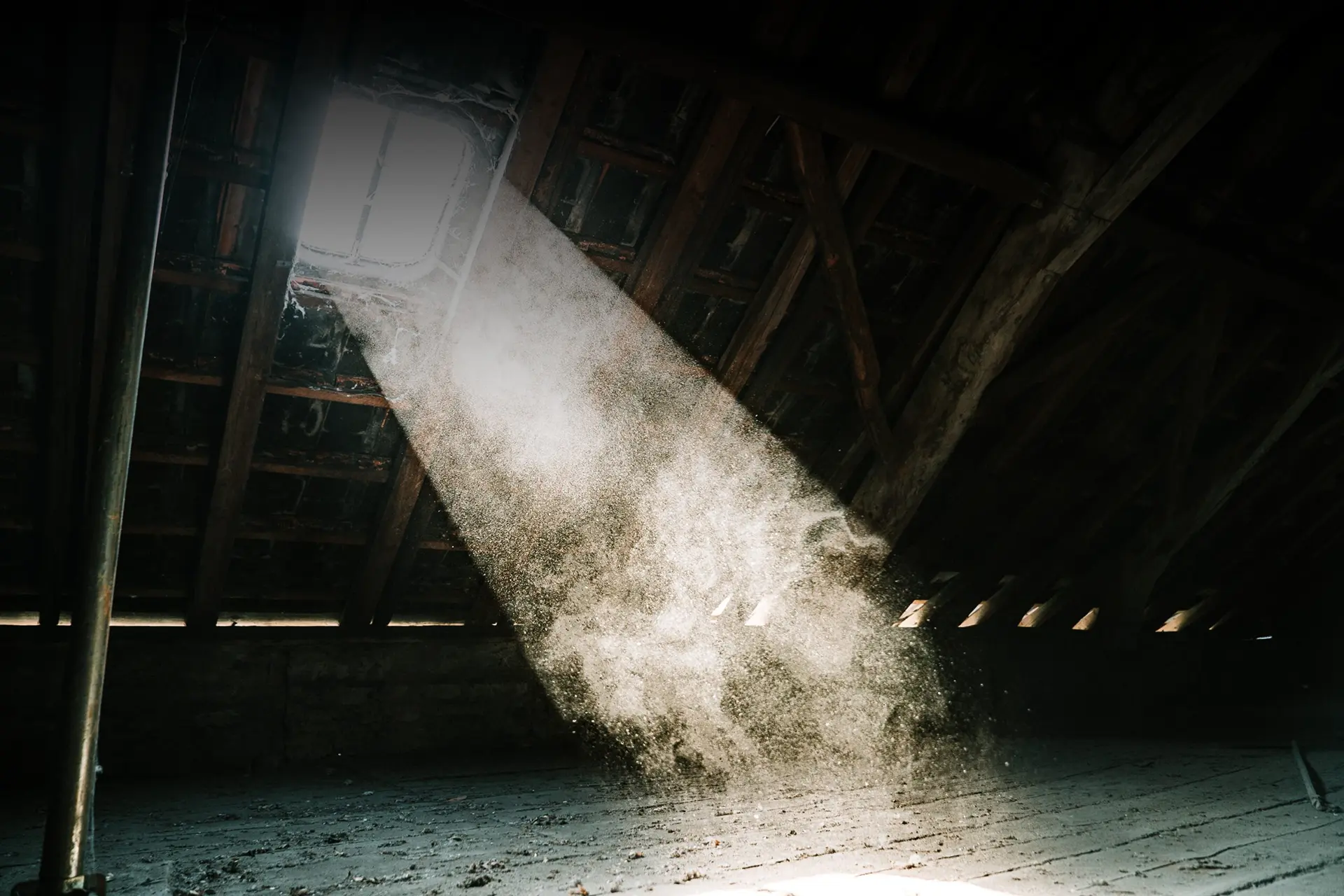
Attic water damage occurs through several distinct pathways. Roof leaks are the most common and most direct: water penetrating a damaged or deteriorated roof system enters the attic at the point of failure and spreads from there. The exact failure point may be a few missing or damaged shingles, failed flashing at a chimney, pipe boot, or ridge cap, ice dam formation at the eaves during winter, or simply the accumulated deterioration of an aging roof system reaching the end of its service life.
When water damage occurs, most people's first thought is simply to get the water out. And water removal — extraction of standing and surface water — is certainly the critical first action. But water removal alone does not constitute complete water remediation, and understanding the difference between these two concepts is important for any property owner facing a water damage event.

Water Remediation vs. Water Removal: Understanding What Your Property Actually Needs

When water damage occurs, most people's first thought is simply to get the water out. And water removal — extraction of standing and surface water — is certainly the critical first action. But water removal alone does not constitute complete water remediation, and understanding the difference between these two concepts is important for any property owner facing a water damage event.

All Clean Restoration's Other Services

Whether water, mold, fire, or smoke causes damage to your home or business, the effects are heartbreaking and often life-changing. We at All Clean Restoration understand the devastation and pain these events can cause. We also understand that quick and proper action is crucial to prevent further damage, red tape, and cost.

We are honored to help in your time of need.

We are committed to delivering exceptional customer service and restoring homes and businesses to their pre-loss condition. For more than 40 years throughout Southern Illinois, we've prioritized communication with our clients, walking them through the entire restoration process from the moment we arrive to walking back into their restored homes and offices.

618-235-3202

Licensed  |  Bonded  |  Insured