LICENSED | BONDED | INSURED
618-235-3202
The Science of Structural Drying: How We Actually Dry Your Home

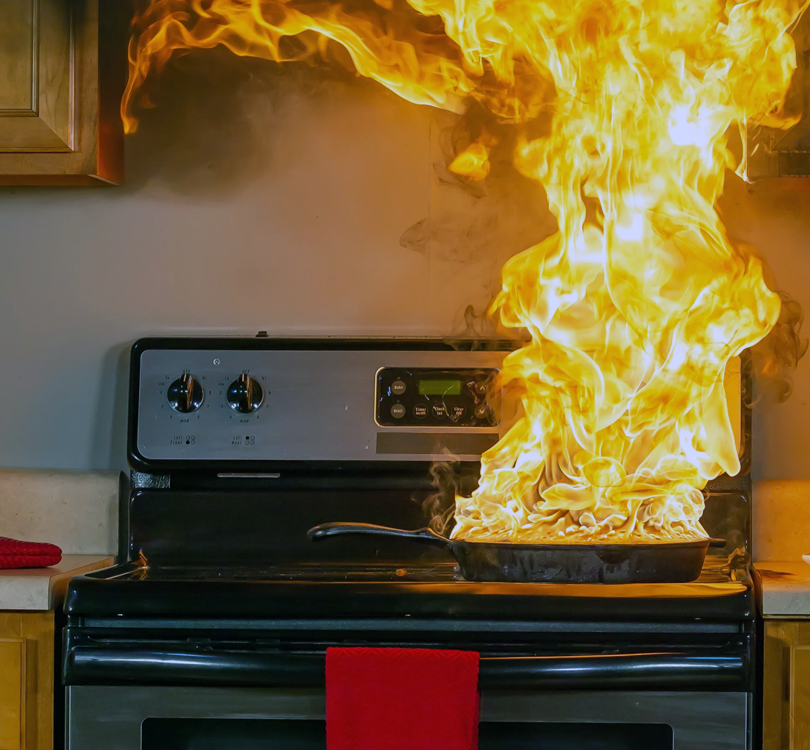
If you've been devastated by water, mold, fire, and/or smoke damage, know that your cherished possessions, your home or business, can all be restored to pre-damage condition; bringing back your peace of mind.
Whether water, mold, fire, or smoke causes damage to your home or business, the effects are heartbreaking and often life-changing. We at All Clean Restoration understand the devastation and pain these events can cause. We also understand that quick and proper action is crucial to prevent further damage, red tape, and cost.
Call us any time, day or night:
1-800-4223944
Related Topics:
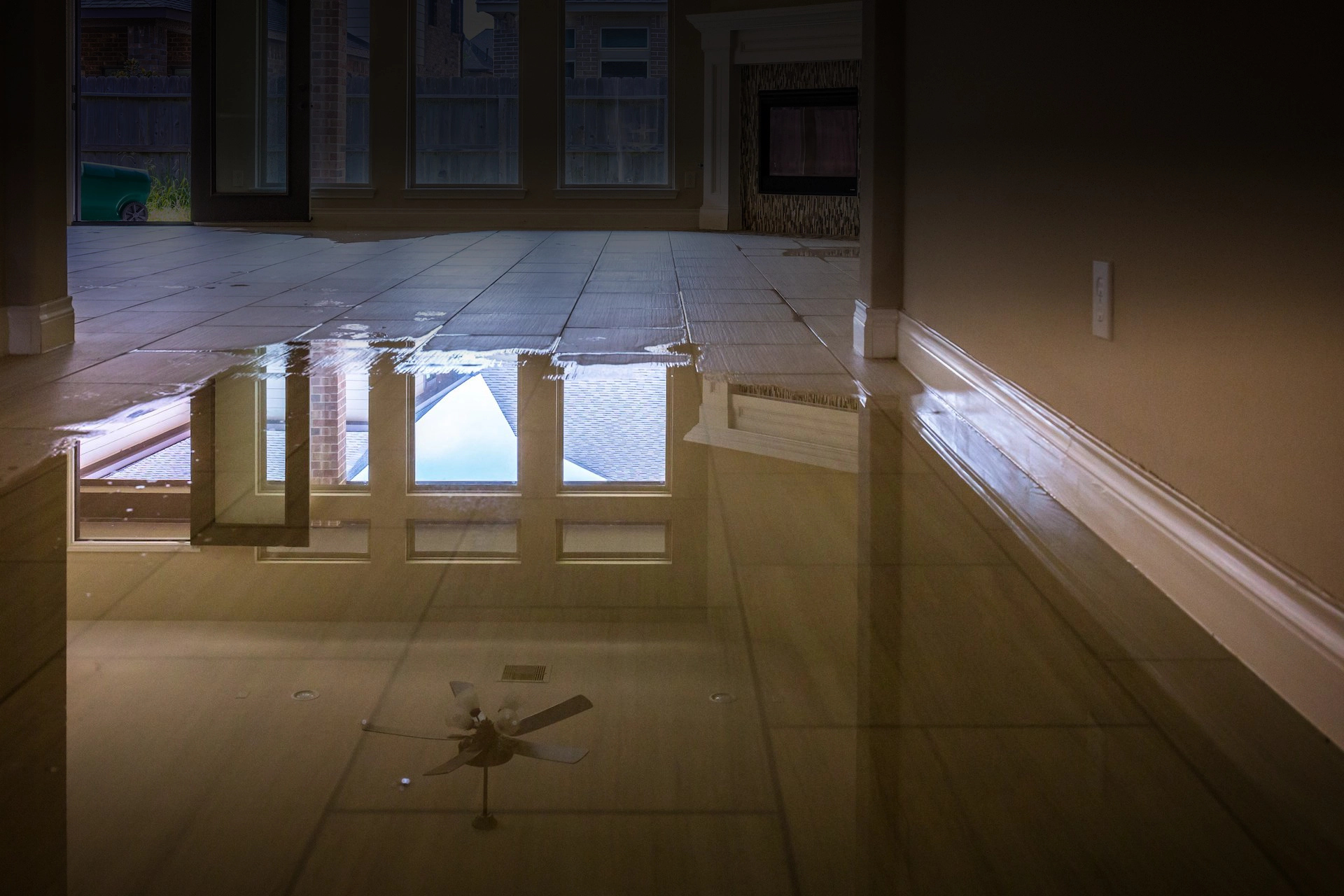
After the water is extracted, the floor might feel dry to your bare foot. That feeling is exactly what gets homes into trouble. Structural drying is the difference between a home that looks dry and a home that is dry — down to the framing, the subfloor, and the inside of the walls.
Surface-dry is a trap. The materials that hold water longest are the ones you can’t see. In Edwardsville, Granite City, and across the St. Louis Metro, this is the step that decides whether your home stays sound or grows mold in three weeks.
Why “Looks Dry” Isn’t Dry
Water doesn’t sit on top of materials — it soaks into them. Drywall, wood framing, subflooring, and concrete all hold moisture long after the surface feels normal.
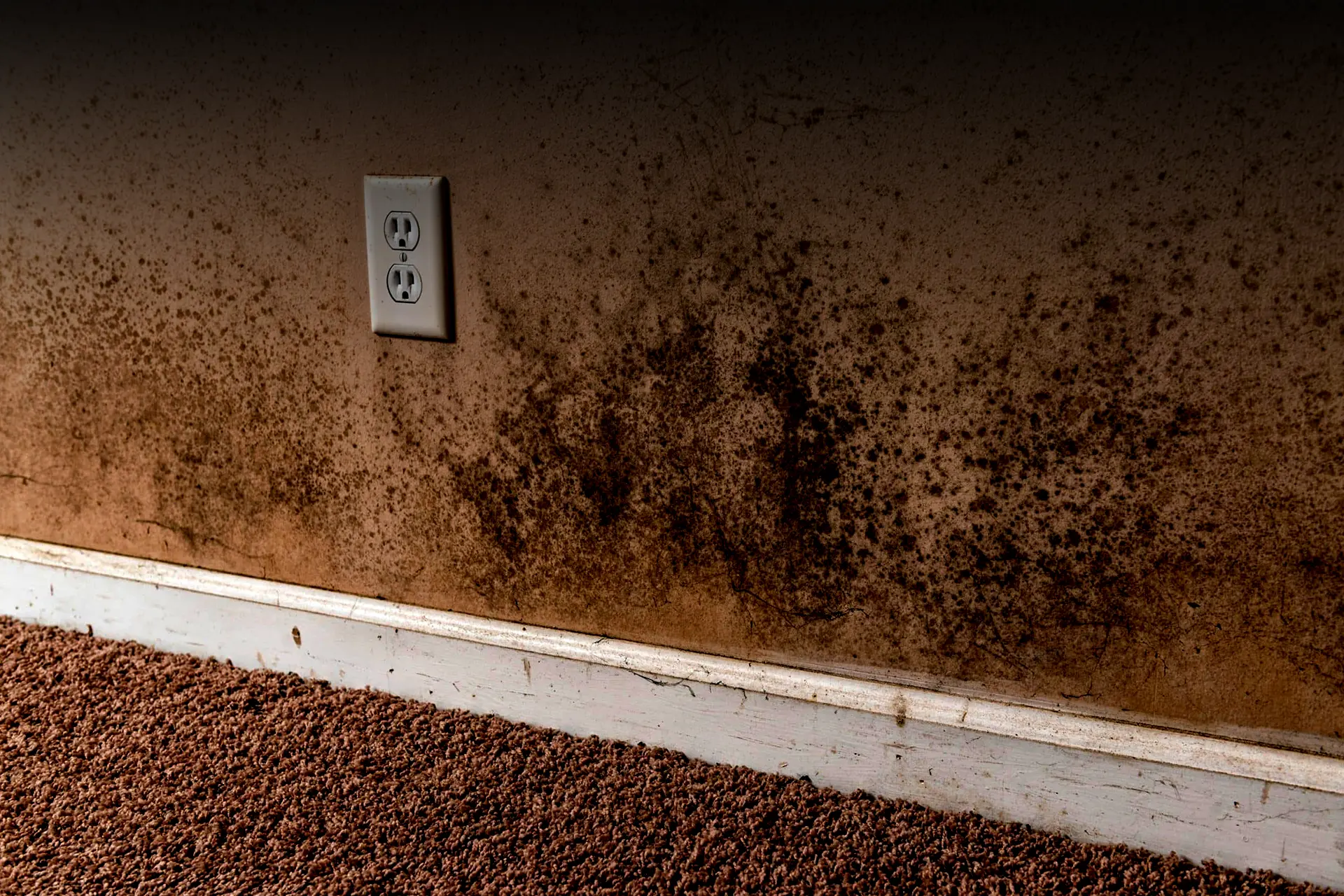
That trapped moisture is what causes the second wave of damage:
- Mold, which begins colonizing within 24–48 hours of a leak.
- Warping and swelling as materials dry unevenly.
- Rot and weakening in structural wood over time.
- Lingering odors from moisture you never removed.
Real structural drying targets the water you can’t see or feel. That’s the whole point.
The Tools That Find Hidden Water
You can’t dry what you can’t measure. Before we place a single fan, we map the moisture.
How we measure
- Thermal imaging cameras reveal cool, wet areas behind walls and under floors.
- Pin and pinless moisture meters read the actual moisture content of materials.
- Psychrometric readings track temperature and humidity to guide the drying plan.
We set a target dry standard based on unaffected areas of your home. Then we dry to that number — no guessing, just verified results. This is the approach the IICRC S500 Standard defines, and it’s how we’ve worked for over four decades.
How the Drying Actually Works
Drying a structure is applied science, not a box fan in the corner. Three forces do the work together.
- Extraction first. We pull standing water and moisture from carpet, pad, and hard surfaces before drying begins.
- Air movement. Commercial air movers push air across wet surfaces to speed evaporation.
- Low-grain-refrigerant dehumidifiers pull that evaporated moisture out of the air so it can’t resettle.
- Temperature control. Warm air holds and moves moisture more efficiently, so we manage the environment as a system.
We monitor readings every day and adjust equipment until every material hits the dry standard. Then we document it — for you and for your adjuster.
Where Structural Drying Fits Your Whole Restoration
Drying is one stage of a larger job, and it connects to everything after it.
Specialized surfaces get specialized drying. Saturated wood floors go to our wood floor drying systems, which can often save hardwood that looks ruined. Soaked carpet goes to carpet and rug drying. Wet wall cavities and cabinets go to wall and cabinet drying. When drying is done right, the full restoration that follows is smaller, faster, and cheaper — because nothing was left wet to fail later.
We dry homes to a verified standard across the Metro East and Missouri, from Troy and Mascoutah to St. Louis. Check our service area to confirm we cover your community.
Don’t settle for a home that only looks dry — insist on one that’s verified dry. All Clean Restoration measures, documents, and dries your home to an IICRC standard, then proves it. Our phones are answered live 24/7, every day of the year, weekends and holidays included. Science-based and family-owned since 1981. Illinois: 618-235-3202 · Missouri: 314-454-0442 · Se Habla Español: 618-792-3633 Or contact us online to discuss your project.
Recent Blog Articles:

Don’t Let Water Sink Your Wood Floors: All Clean Restoration to the Rescue!

Paradise Lost and Found: How All Clean Restoration Saved Our Vacation Memories (and Hardwood Floors!)

Refrigerator Leaks: Don’t Let a Drip Turn into a Disaster!

Don’t Let Winter Weather Catch Your Home Off Guard: Essential Tips for Illinois and Missouri
All Clean Restoration's Other Services
Whether water, mold, fire, or smoke causes damage to your home or business, the effects are heartbreaking and often life-changing. We at All Clean Restoration understand the devastation and pain these events can cause. We also understand that quick and proper action is crucial to prevent further damage, red tape, and cost.

Licensed | Bonded | Insured