LICENSED | BONDED | INSURED
618-235-3202
The Silent Threat: How a Leaking Water Heater Could Be a Ticking Time Bomb

If you've been devastated by water, mold, fire, and/or smoke damage, know that your cherished possessions, your home or business, can all be restored to pre-damage condition; bringing back your peace of mind.
Whether water, mold, fire, or smoke causes damage to your home or business, the effects are heartbreaking and often life-changing. We at All Clean Restoration understand the devastation and pain these events can cause. We also understand that quick and proper action is crucial to prevent further damage, red tape, and cost.
Call us any time, day or night:
1-800-4223944
Related Topics:
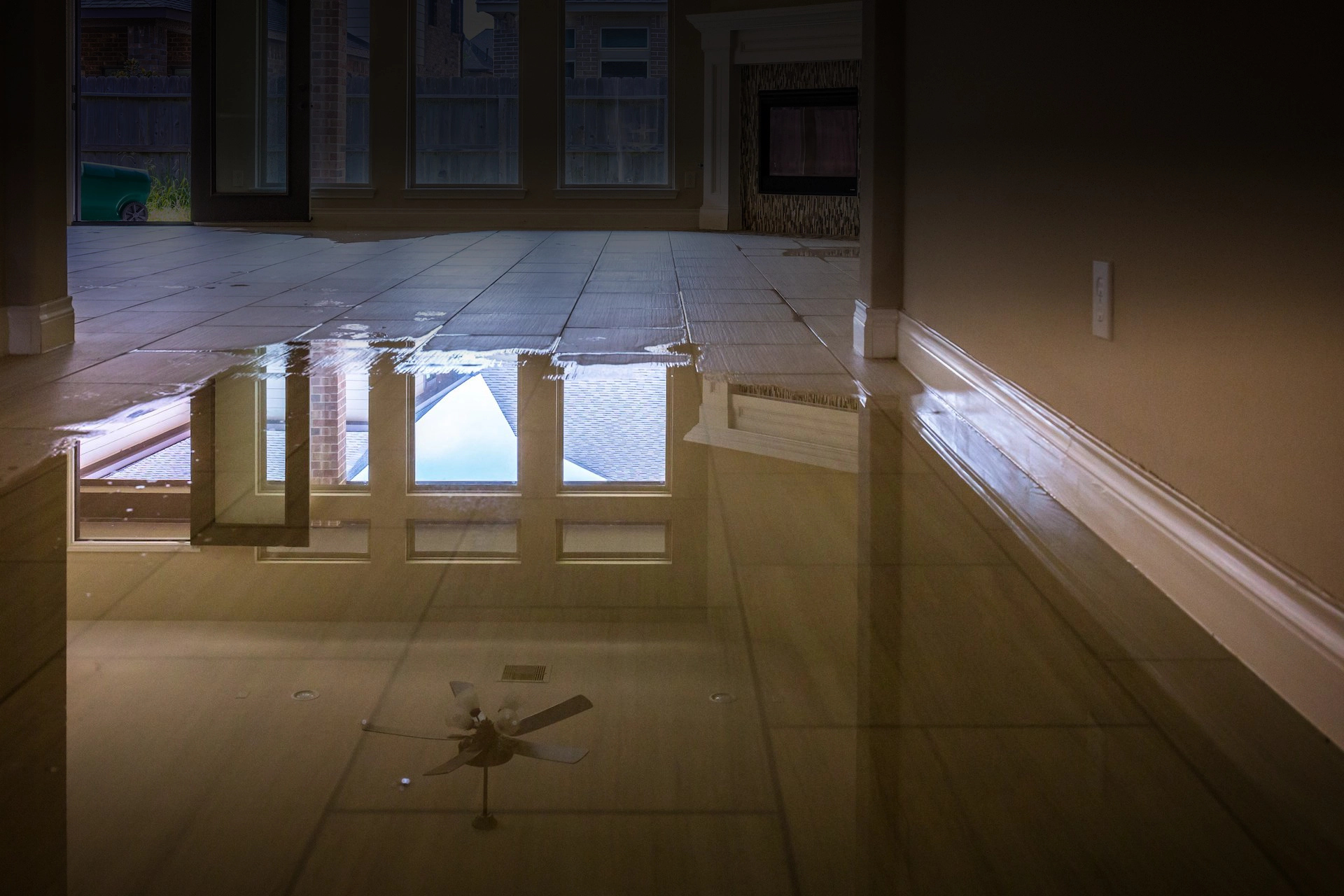
Many homeowners in Illinois and Missouri have faced the frustrating and costly reality of water damage due to a leaking water heater. While major floods and burst pipes often grab headlines, one of the most common—and often underestimated—causes of residential water damage is a leaking water heater. You might see a small drip and think it’s no big deal, but that minor leak could be a warning sign of a catastrophic failure.
At All Clean Restoration, we’ve seen firsthand how a seemingly insignificant leak can quickly escalate into a major flood, causing thousands of dollars in damage. In fact, repairing water damage from a water heater leak can cost an average of $4,444 after insurance deductibles. But understanding the ‘why’ behind these leaks can help you prevent a disaster before it strikes.
Why Your Water Heater Is a Water Damage Risk
Your water heater is a complex appliance, and several factors can weaken it over time, increasing the risk of a leak or, worse, a burst.
- Sediment Buildup: Hard water contains minerals that settle at the bottom of your tank, creating a layer of sediment. This buildup blocks the heating element, causing the unit to work harder and creating excessive pressure inside the tank.
- Rust and Corrosion: The anode rod inside your water heater is designed to attract rust, protecting the tank itself. When this rod wears out, the tank walls become vulnerable to corrosion, which can lead to leaks and eventual failure.
- Excessive Pressure: A thermostat set too high can cause the water inside the tank to overheat, leading to dangerous pressure levels that stress the tank’s walls and increase the risk of a leak.
The Dangers of Ignoring a Small Leak
A small drip isn’t just an annoyance; it’s a warning. Ignoring it can lead to severe consequences, including:
- Extensive Property Damage: Even a slow leak can cause significant damage to your floors, walls, and personal belongings. This moisture can also lead to hazardous mold and mildew growth that requires professional mold remediation.
- Electrical Hazards: If water comes into contact with your water heater’s electrical components, it can create a serious risk of electrical shock or fire.
- A Catastrophic Burst: The constant stress from sediment and pressure can weaken the tank’s integrity. When this happens, a full-scale water heater burst is not just possible—it’s likely. This can release dozens of gallons of scalding water in minutes, causing a flash flood in your basement or utility closet.
How to Protect Your Home and When to Call All Clean Restoration
The key to preventing a water heater disaster is proactive maintenance. By taking a few simple steps, you can significantly reduce your risk:
- Regularly Flush the Tank: Draining your water heater tank every year helps remove sediment and extends the life of your appliance.
- Check and Replace the Anode Rod: Have a professional inspect your anode rod annually and replace it as needed to prevent rust.
- Regulate Temperature: Keep your water heater set between 120-125 degrees Fahrenheit to maintain safe pressure levels.
- Schedule Professional Inspections: A certified technician can spot potential problems, such as a faulty temperature and pressure (T&P) relief valve, before they become a crisis.
If you find yourself facing water damage from a leaking or burst water heater, don’t wait. All Clean Restoration is a leading provider of 24/7 emergency water damage restoration services in Illinois and Missouri. Our team of certified experts is ready to respond immediately to mitigate the damage, prevent mold, and restore your home to its pre-disaster condition. Our detailed, professional approach ensures your property is thoroughly dried and cleaned, giving you peace of mind.
Don’t let a small drip become a big problem. Be vigilant, perform regular maintenance, and know that All Clean Restoration is always on call for the emergencies you can’t prevent.
Recent Blog Articles:

In-Place Drying vs. Tear-Out: How Pro Drying Saves Your Home

Wet Carpet After a Flood or Leak: Can It Be Saved?

Winterizing Your Home to Prevent Frozen Pipes in the Metro East

Water Damage to Your Subfloor: The Damage You Can’t See
All Clean Restoration's Other Services
Whether water, mold, fire, or smoke causes damage to your home or business, the effects are heartbreaking and often life-changing. We at All Clean Restoration understand the devastation and pain these events can cause. We also understand that quick and proper action is crucial to prevent further damage, red tape, and cost.

Licensed | Bonded | Insured