LICENSED | BONDED | INSURED
618-235-3202
Toilet Overflow Cleanup: When “Just a Little Water” Isn’t

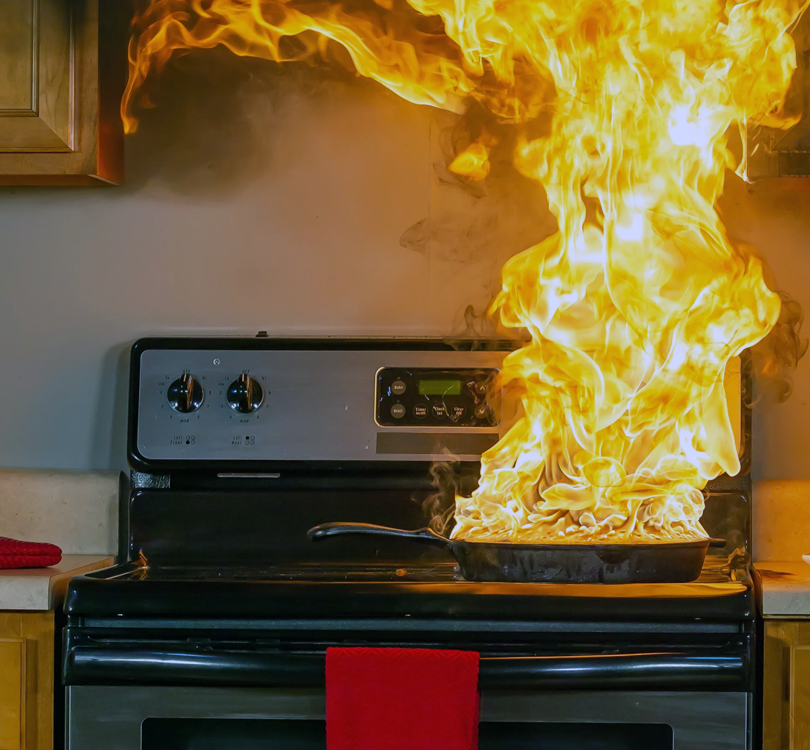
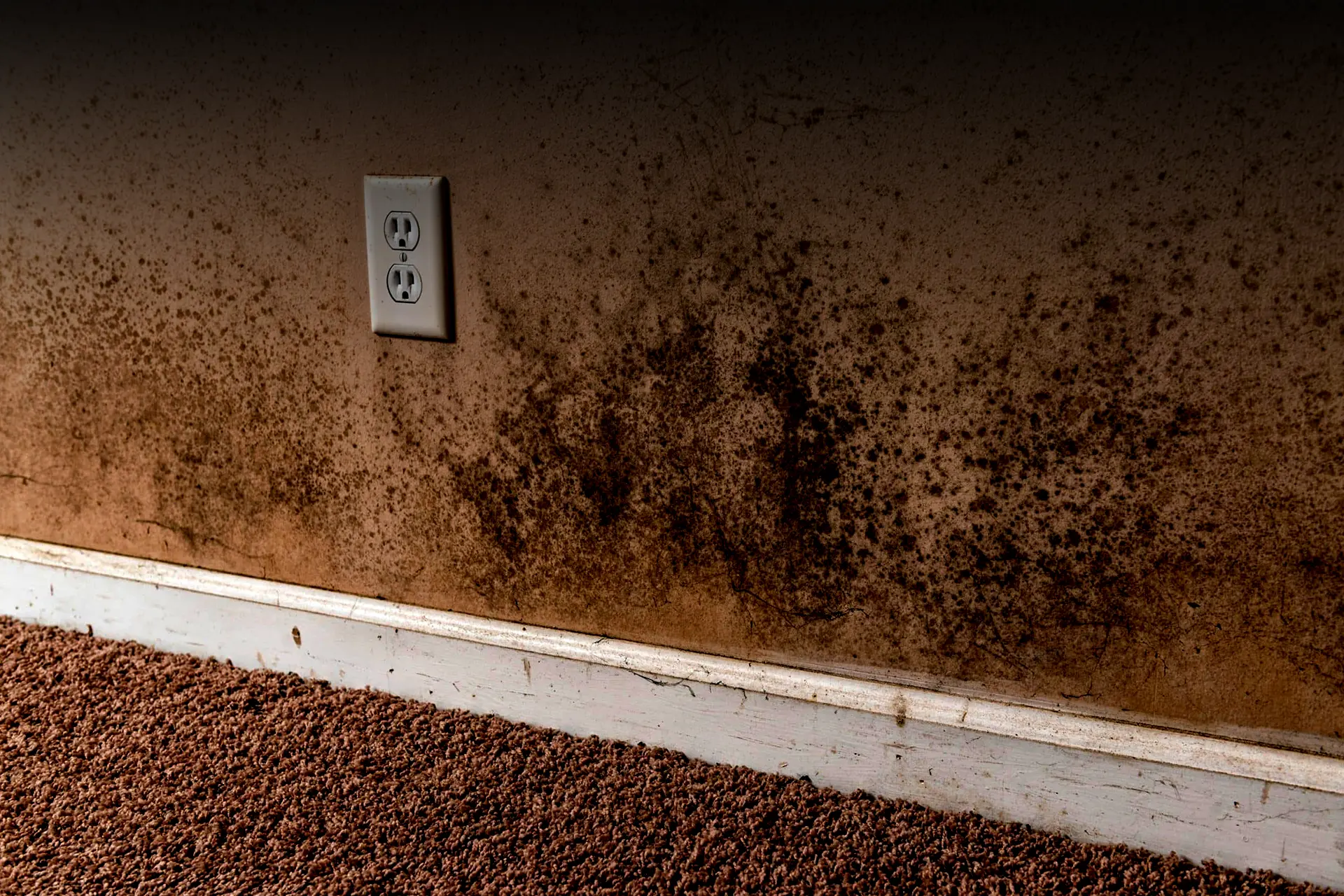
If you've been devastated by water, mold, fire, and/or smoke damage, know that your cherished possessions, your home or business, can all be restored to pre-damage condition; bringing back your peace of mind.
Whether water, mold, fire, or smoke causes damage to your home or business, the effects are heartbreaking and often life-changing. We at All Clean Restoration understand the devastation and pain these events can cause. We also understand that quick and proper action is crucial to prevent further damage, red tape, and cost.
Call us any time, day or night:
1-800-4223944
Related Topics:
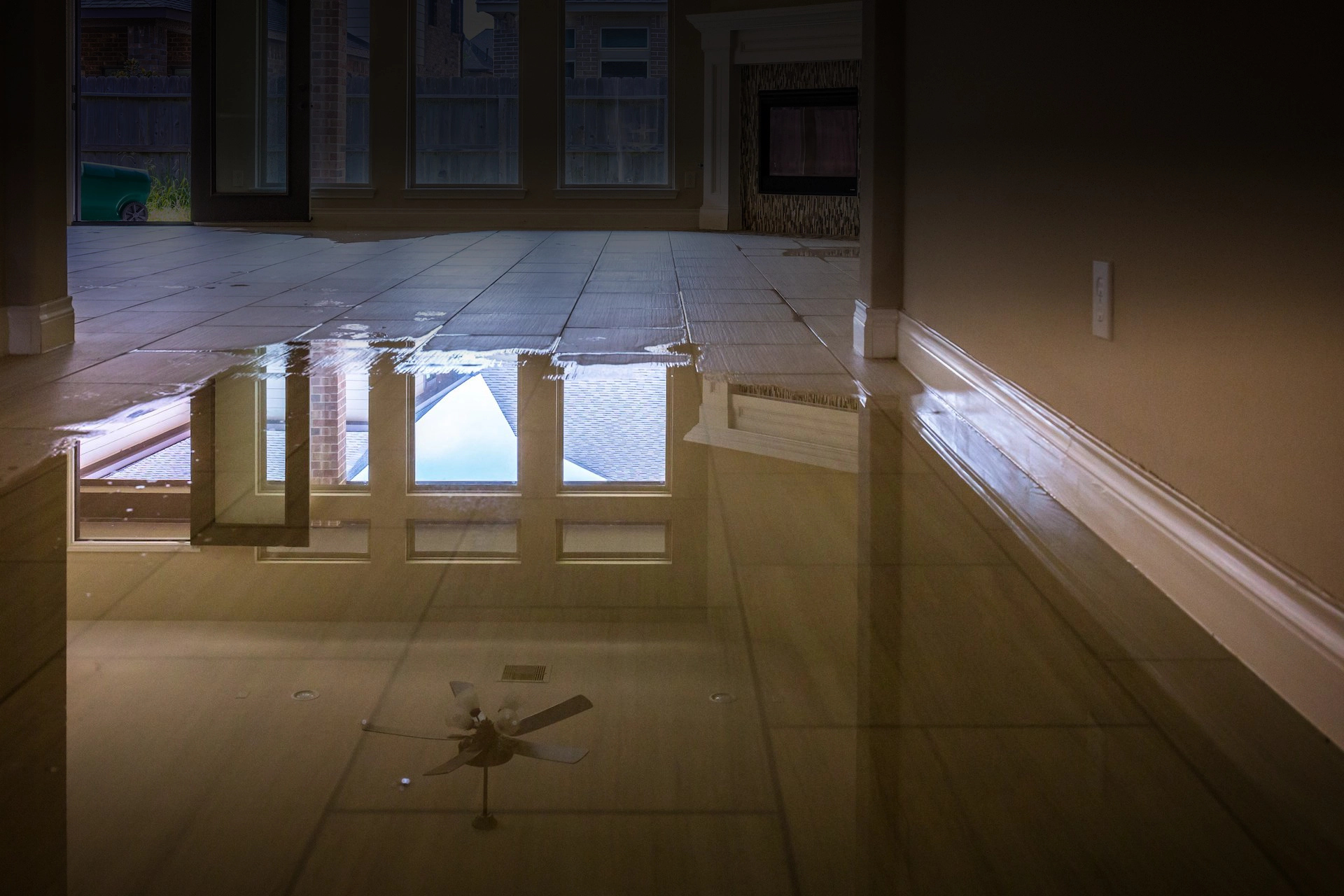
The toilet keeps rising, then spills over the rim before you can stop it. Water spreads across the bathroom floor and heads for the hallway. A toilet overflow cleanup looks simple — until you realize not all of that water is safe to touch.
The difference between a quick mop-up and a health hazard comes down to one question: what kind of water is it? We handle both across O’Fallon, Fairview Heights, and the St. Louis Metro, and we treat them very differently.
Clean Water or Contaminated Water?
This is the question that changes everything. The restoration industry sorts water into categories, and toilets can produce more than one.
The three categories
- Category 1 (clean): Overflow from the clean supply tank before it reaches the bowl. Low risk, but still damaging if it soaks in.
- Category 2 (gray): Water containing urine but no solid waste. It carries contaminants and grows more hazardous by the hour.
- Category 3 (black): Water containing sewage or a backed-up drain line. This is the most dangerous water damage you can face.
These categories come from the IICRC S500 Standard, and they aren’t academic. A Category 3 event contains bacteria and pathogens that make DIY cleanup a real health risk.
Why a Toilet Overflow Is Worse Than It Looks
Bathroom floors aren’t built to hold water. Grout lines, the toilet flange, and gaps around the base let water travel straight down.
Toilet overflow cleanup gets complicated fast when water reaches:
- The subfloor, where it soaks in and warps.
- The ceiling below, if you’re on a second story. That overflow becomes someone’s ceiling water damage.
- Wall cavities, where trapped moisture breeds mold.
- Adjacent flooring, spreading into the hallway and nearby rooms.
The water you wipe up is a fraction of the water that soaked in.
What to Do When the Toilet Overflows
Stop the flow first, then protect yourself.
- Turn off the supply valve behind or below the toilet. Turn the handle clockwise.
- Stop flushing. If it’s a clog with a backup, more water makes it worse.
- Keep people and pets away if the water is gray or black.
- Wear gloves and boots for any contaminated water — never bare skin.
- Ventilate the room and avoid tracking water into clean areas.
- Call for professional cleanup if the water is contaminated or has reached the floor structure.
For clean supply-line overflow you caught immediately, careful drying may be enough. For anything gray or black, this is a job for trained crews with the right protective equipment and antimicrobials.
How We Handle Contaminated Water Safely
Category 2 and 3 water demand more than a mop and bleach. We extract the water, remove unsalvageable porous materials, and apply hospital-grade antimicrobial treatment. Then we dry the structure to a verified standard and confirm the space is safe before we call it done.
We serve the Metro East and Missouri, from Millstadt and Mascoutah to St. Louis. Confirm coverage on our service area page, and see how we coordinate with your insurance on covered losses.
Not sure if that water is safe to touch? Don’t risk it. Call All Clean Restoration for professional toilet overflow and contaminated water cleanup — extraction, sanitizing, and full restoration. We answer 24/7, every single day of the year, weekends and holidays included. Licensed, bonded, insured, and IICRC-certified since 1981. Illinois: 618-235-3202 · Missouri: 314-454-0442 · Se Habla Español: 618-792-3633 Or contact us online for a fast response.
Recent Blog Articles:

Flooded Basements: From Extraction to Hardwood Floor Drying

Commercial Water Damage: Minimizing Business Downtime

Your Complete Water Damage Restoration Guide: From the First Drop to the Final Coat of Paint

Water Damage Prevention: 15 Things Every Southern Illinois Homeowner Should Do Right Now
All Clean Restoration's Other Services
Whether water, mold, fire, or smoke causes damage to your home or business, the effects are heartbreaking and often life-changing. We at All Clean Restoration understand the devastation and pain these events can cause. We also understand that quick and proper action is crucial to prevent further damage, red tape, and cost.

Licensed | Bonded | Insured