LICENSED   |   BONDED  |   INSURED

618-235-3202
Turkey Fryer Fires: The Thanksgiving Disaster You Can Prevent

November 25, 2026
A turkey fryer fire can engulf a home in seconds. Learn how to prevent one and recover fast with All Clean Restoration across Metro East IL and St. Louis gpt

If you've been devastated by water, mold, fire, and/or smoke damage, know that your cherished possessions, your home or business, can all be restored to pre-damage condition; bringing back your peace of mind.

Whether water, mold, fire, or smoke causes damage to your home or business, the effects are heartbreaking and often life-changing. We at All Clean Restoration understand the devastation and pain these events can cause. We also understand that quick and proper action is crucial to prevent further damage, red tape, and cost.

Call us any time, day or night:

1-800-4223944

Related Topics:

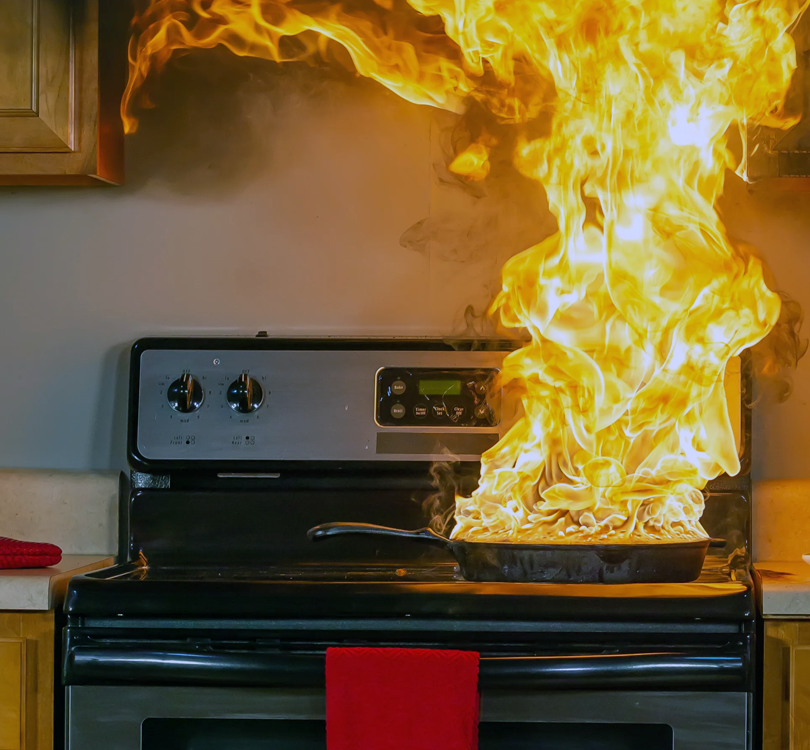
The oil has been heating on the driveway or in the open garage for a while. The turkey goes in still partly frozen, the pot boils over onto the burner, and in an instant there’s a column of flame. A turkey fryer fire turns a Thanksgiving in seconds, and it often takes the deck, the garage, or the side of the house with it.

Deep-frying a turkey makes incredible food. It also means gallons of oil heated past 350 degrees over an open flame — which is exactly how these fires start.

Why are turkey fryers so dangerous?

A fryer holds a large volume of very hot oil in a tall, top-heavy pot. Small mistakes turn into big fires fast.

  • Fryers tip over easily, spilling hot oil across a wide area.
  • An overfilled pot boils over the moment the turkey goes in.
  • A partly frozen turkey makes the oil erupt and splatter.
  • Oil on a hot burner ignites fast and spreads to anything nearby.
  • No thermostat means the oil can overheat until it catches fire on its own.

FEMA’s U.S. Fire Administration warns that turkey fryers cause serious fires and burns every Thanksgiving and urges extreme caution with them (USFA cooking fire safety).

How do you prevent a turkey fryer fire?

Most fryer fires trace back to too much oil or a wet bird. These steps stop both.

  1. Thaw the turkey completely and pat it dry. Ice and water are what make the oil erupt.
  2. Measure the oil first. Put the turkey in the empty pot, add water to cover it, and mark the level. Dry the pot, then fill oil only to that mark.
  3. Fry outdoors on level ground, well away from the house, deck, and garage.
  4. Never fry on a wooden deck or under an overhang.
  5. Stay with it the whole time and keep a grease-rated extinguisher close. Never throw water on an oil fire — it spreads the flames.

What damage does a fryer fire actually cause?

A fryer fire rarely stays small. Because it usually starts right against the house, the damage spreads three ways at once.

  • Fire damage to the deck, siding, garage, or exterior wall where it started.
  • Smoke and soot that push indoors and coat walls, ceilings, and belongings.
  • Water damage from the hose or extinguisher used to put it out.

That mix of fire, smoke, and water is why recovery is rarely a quick wipe-down. Our fire and smoke restoration team handles the soot and odor, and our water removal crews extract what firefighters leave behind.

What should you do right after a fire?

Once everyone is safe, a few early moves protect what’s left.

  1. Keep clear of the oil. It stays dangerously hot for hours after the flames are out.
  2. Don’t wipe soot with a cloth — it smears and sets into surfaces.
  3. Call a restoration team before the acidic soot has time to etch walls and contents.
  4. Document everything for your claim. Our insurance FAQ covers what adjusters want to see.

Soot and water travel into cabinets and walls near the kitchen, so our wall and cabinet drying crews dry those cavities before mold starts. Many smoke-exposed belongings can still be saved — see can my belongings be saved after water damage.

We respond across the Metro East and St. Louis area, including O’Fallon, Edwardsville, and St. Louis — on Thanksgiving Day and every day.

Turkey fryer fire over the holiday? Call All Clean Restoration right now. We handle fire damage, smoke and soot cleanup, and water removal across Southern Illinois and the St. Louis Metro. Someone answers 24/7, every single day of the year — including Thanksgiving, weekends, and holidays. Illinois: 618-235-3202 · Missouri: 314-454-0442 · Se Habla Español: 618-792-3633

Recent Blog Articles:

As a leading restoration company in Missouri and Illinois, we at All Clean Restoration know that mold is a common problem for homeowners and businesses alike. While many people fear the dreaded "black mold," what they don't realize is that some of the most common molds found indoors are green.

Understanding Green Mold: Definition, Causes, and Solutions

As a leading restoration company in Missouri and Illinois, we at All Clean Restoration know that mold is a common problem for homeowners and businesses alike. While many people fear the dreaded "black mold," what they don't realize is that some of the most common molds found indoors are green.
Your garbage disposal is one of the most hardworking appliances in your kitchen. We rely on it to make cleanup a breeze after a family meal. But when it starts acting up, it can quickly turn from a convenience into a catastrophe.

Is Your Garbage Disposal a Disaster Waiting to Happen?

Your garbage disposal is one of the most hardworking appliances in your kitchen. We rely on it to make cleanup a breeze after a family meal. But when it starts acting up, it can quickly turn from a convenience into a catastrophe.
Art house

4 Steps to Protect from High Winds Before the Storm

High winds with storms the cause water damage are a regular threat across Missouri and Illinois. Gusts of wind can be powerful enough to rip siding from walls, topple trees, and cause serious damage to your property. Even though we don't have hurricanes, the financial and emotional toll of severe wind and storm damage can be significant.
When a flood hits, the first few days are critical for flood damage moisture control. The water may be gone, but the real work—and the real danger—is just beginning. Lingering moisture can lead to serious structural damage, mold growth, and a host of other problems. At All Clean Restoration, we understand the unique challenges faced by homeowners in Missouri and Illinois. We've put together this guide to help you understand the essential techniques for effective moisture control and get your property back to normal. Step 1: The First Response—Assess and Remove Standing Water Your immediate goal after a flood is to get rid of any standing water. This is your first line of defense against long-term damage. Assess the Damage: Carefully survey your home to find all affected areas. Don't forget hidden spots like crawl spaces and inside walls where water can get trapped. Water Extraction: Use a submersible pump for large areas or a wet/dry vacuum for smaller spaces to remove as much water as you can. The faster you act, the less damage you'll have to deal with later. Document Everything: As you go, take notes on the conditions of each area. This information will be vital for your insurance claims and future restoration efforts. Step 2: The Drying Process—Dehumidifiers and Air Movers Once the standing water is gone, it's time to tackle the invisible threat: moisture in the air and in your home's materials. Dehumidifiers: These are your best friends in the fight against moisture. Place them strategically in the wettest areas to pull moisture from the air. Set your dehumidifier to keep humidity levels between 30% and 60% to prevent mold growth and speed up the drying process. Air Movers: Position these powerful fans to create a circular airflow across wet surfaces. This constant air movement helps to accelerate evaporation, drying out everything from floors to walls. Think of them as a team—the air movers push moisture into the air, and the dehumidifiers pull it out. Step 3: Long-Term Protection—Moisture Barriers and Sealants With your home dry, you need to ensure it stays that way. Implementing moisture barriers is the key to preventing future water intrusion. Choose the Right Materials: Opt for high-quality moisture barrier materials like polyethylene sheets or liquid sealants. Proper Application: Make sure all surfaces are clean and dry before applying. Pay special attention to vulnerable areas like basements and crawl spaces, which are prone to moisture accumulation. Use caulk and other sealants to fill any gaps around windows and doors. Regular Inspections: Even after everything is sealed, it's important to do regular check-ups. Inspect your barriers and seals to make sure they are still effective and haven't been damaged over time. Frequently Asked Questions How long does it take for a home to dry completely after flooding? It can take anywhere from 5 to 14 days, depending on the extent of the damage, humidity, and temperature. What health risks are associated with lingering moisture? Lingering moisture is a breeding ground for mold, which can cause respiratory issues like coughing, wheezing, and aggravated allergies. Should I replace my carpet after flood damage? Yes, if your carpet has been soaked, it's a good idea to replace it. The padding and fibers can trap moisture and lead to mold growth. Can I use my HVAC system to help with moisture control? Yes, your HVAC system can help circulate air and remove some moisture. However, it's not a substitute for specialized equipment like dehumidifiers and air movers. What are the signs of mold growth after a flood? Look for a musty odor, discoloration on surfaces, and water spots. If you see these signs, it's time to call a professional. By following these steps, you're not just restoring your home; you're reinforcing it against future challenges. For expert guidance and professional flood restoration services, reach out to us at All Clean Restoration. We’re here to help our neighbors in Missouri and Illinois get back on their feet.

Navigating the Aftermath: A Guide to Flood Damage Moisture Control

When a flood hits, the first few days are critical for flood damage moisture control. The water may be gone, but the real work—and the real danger—is just beginning. Lingering moisture can lead to serious structural damage, mold growth, and a host of other problems.

All Clean Restoration's Other Services

Whether water, mold, fire, or smoke causes damage to your home or business, the effects are heartbreaking and often life-changing. We at All Clean Restoration understand the devastation and pain these events can cause. We also understand that quick and proper action is crucial to prevent further damage, red tape, and cost.

We are honored to help in your time of need.

We are committed to delivering exceptional customer service and restoring homes and businesses to their pre-loss condition. For more than 40 years throughout Southern Illinois, we've prioritized communication with our clients, walking them through the entire restoration process from the moment we arrive to walking back into their restored homes and offices.

618-235-3202

Licensed  |  Bonded  |  Insured