LICENSED | BONDED | INSURED
618-235-3202
Vacation Proof Your Home: The 5 Secret Water Damage Triggers You’re Forgetting

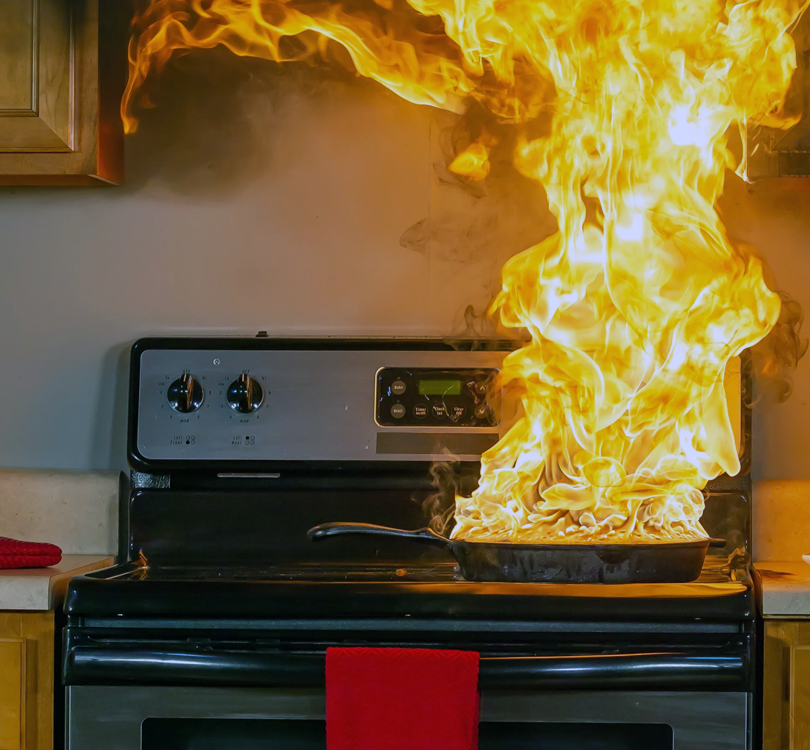
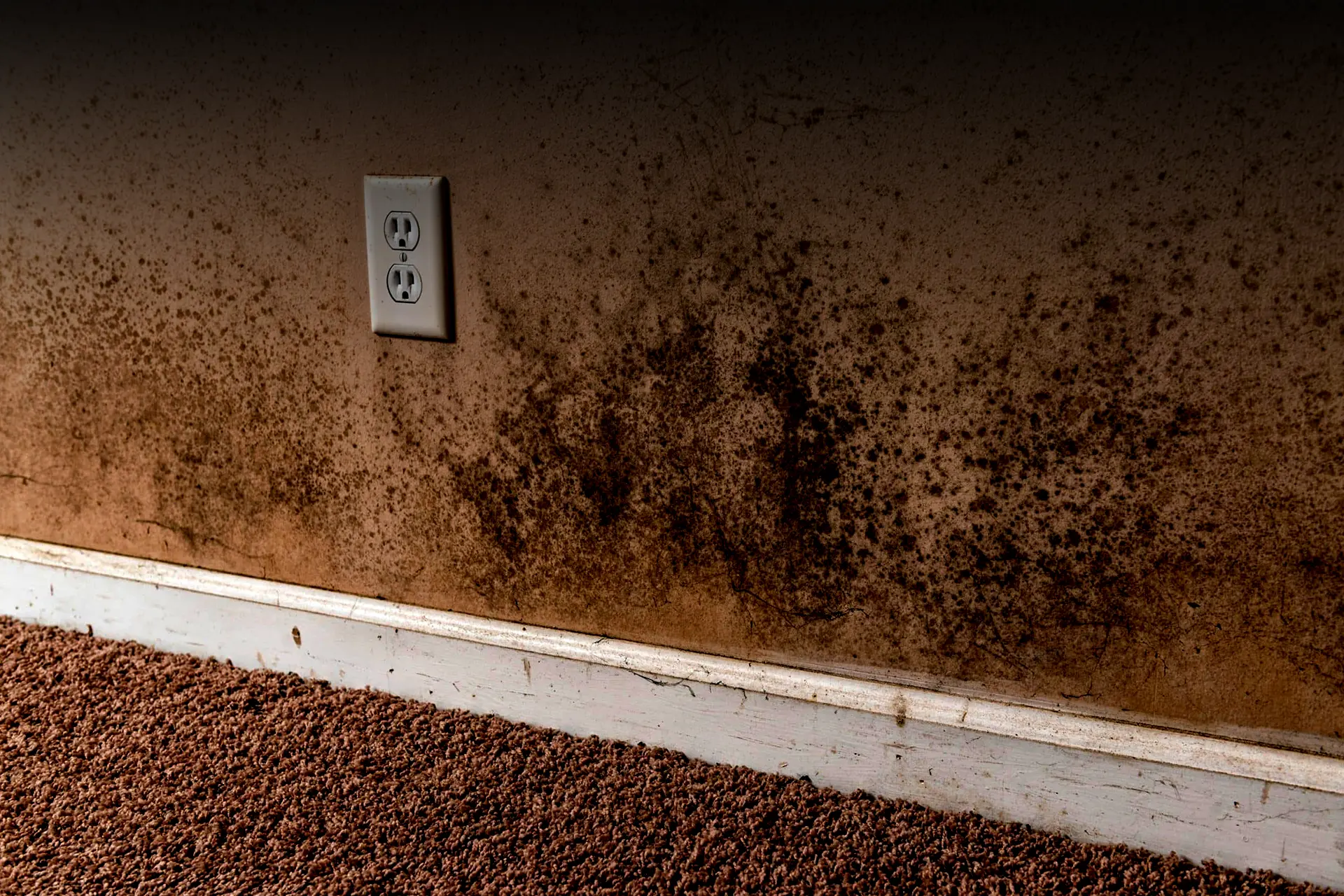
If you've been devastated by water, mold, fire, and/or smoke damage, know that your cherished possessions, your home or business, can all be restored to pre-damage condition; bringing back your peace of mind.
Whether water, mold, fire, or smoke causes damage to your home or business, the effects are heartbreaking and often life-changing. We at All Clean Restoration understand the devastation and pain these events can cause. We also understand that quick and proper action is crucial to prevent further damage, red tape, and cost.
Call us any time, day or night:
1-800-4223944
Related Topics:
You’ve packed the bags, set the alarm, and double-checked the stove. But as you pull out of the driveway, a silent threat could be lurking in your pipes. At All Clean Restoration, we’ve seen thousands of homeowners return from a relaxing trip to a literal nightmare: a flooded basement, warped floors, and the dreaded smell of mold growth.
Water damage doesn’t take a vacation. In fact, an unoccupied home is the perfect playground for a “slow-drip” disaster to turn into a total water restoration emergency.
If you come home to a splash instead of a welcome mat, don’t panic. Call All Clean Restoration immediately at 618-235-3202 (IL) or 314-454-0442 (MO).
The “Invisible” Culprits: Items You Aren’t Checking
Most people know to check the windows, but water damage mitigation starts with the items you use every single day. Here are the sneakier causes of a water disaster:
1. The Refrigerator Ice Maker
That tiny plastic line feeding your ice maker is one of the most frequent causes of kitchen flood damage. These lines can become brittle and crack. If it bursts while you’re gone, water will spray behind your cabinetry for days.
-
Pro-Tip: Shut off the dedicated water valve behind the fridge or turn off the ice maker entirely before leaving.
2. The “Running” Toilet
We’ve all heard a toilet hiss, but while you’re away, a faulty flapper can lead to a “silent leak” that wastes thousands of gallons—or worse, a sudden overflow if the drain is slightly sluggish.
-
Pro-Tip: Turn the silver handle behind the toilet clockwise to shut off the water supply to each commode.
3. Under-Sink Supply Lines
The braided stainless steel or plastic lines under your sinks are under constant pressure. A tiny pinhole leak can saturate your vanity and lead to mold remediation needs in as little as 24 hours.
-
Pro-Tip: Inspect for any “greening” (corrosion) on the metal before you leave. If it looks old, call All Clean Restoration at 618-235-3202 for an inspection before your trip.
The All-Clean “Away” Checklist
Before you lock the door, run through this quick water damage prevention list:
-
The Main Shut-Off: If you aren’t leaving the heat or sprinklers on, the single best move is to turn off the main water valve. This kills the pressure to the entire house.
-
Sump Pump Test: If you have a basement, pour a bucket of water into the sump pit to ensure the pump kicks on. A failed pump during a Missouri or Illinois thunderstorm is a recipe for a flooded basement.
-
Water Heater Check: Set your water heater to “Vacation Mode.” This prevents the tank from overheating while the water isn’t moving, which can stress the seals.
-
Smart Sensors: Consider installing Wi-Fi leak detectors under the dishwasher and near the water heater. They’ll alert your phone the second they feel moisture.
Why Fast Action is the Only Option
If a pipe bursts on Day 1 of your 7-day cruise, the structural water damage can be catastrophic. Water wicks up drywall, destroys subfloors, and ruins heirloom furniture.
All Clean Restoration offers 24/7 emergency water extraction and flood cleanup. We use industrial-grade dehumidifiers and thermal imaging to find water hiding behind your walls—ensuring your home is truly dry, not just “surface dry.”
Don’t let a leak ruin your memories. Save our numbers now: 📞 Illinois: 618-235-3202 📞 Missouri: 314-454-0442 🌐 allcleanrestoration.com
Recent Blog Articles:

In-Place Drying vs. Tear-Out: How Pro Drying Saves Your Home

Wet Carpet After a Flood or Leak: Can It Be Saved?

Winterizing Your Home to Prevent Frozen Pipes in the Metro East

Water Damage to Your Subfloor: The Damage You Can’t See
All Clean Restoration's Other Services
Whether water, mold, fire, or smoke causes damage to your home or business, the effects are heartbreaking and often life-changing. We at All Clean Restoration understand the devastation and pain these events can cause. We also understand that quick and proper action is crucial to prevent further damage, red tape, and cost.

Licensed | Bonded | Insured