LICENSED | BONDED | INSURED
618-235-3202
Water Damage and Mold: Understanding the Link That Protects Your Family

If you've been devastated by water, mold, fire, and/or smoke damage, know that your cherished possessions, your home or business, can all be restored to pre-damage condition; bringing back your peace of mind.
Whether water, mold, fire, or smoke causes damage to your home or business, the effects are heartbreaking and often life-changing. We at All Clean Restoration understand the devastation and pain these events can cause. We also understand that quick and proper action is crucial to prevent further damage, red tape, and cost.
Call us any time, day or night:
1-800-4223944
Related Topics:
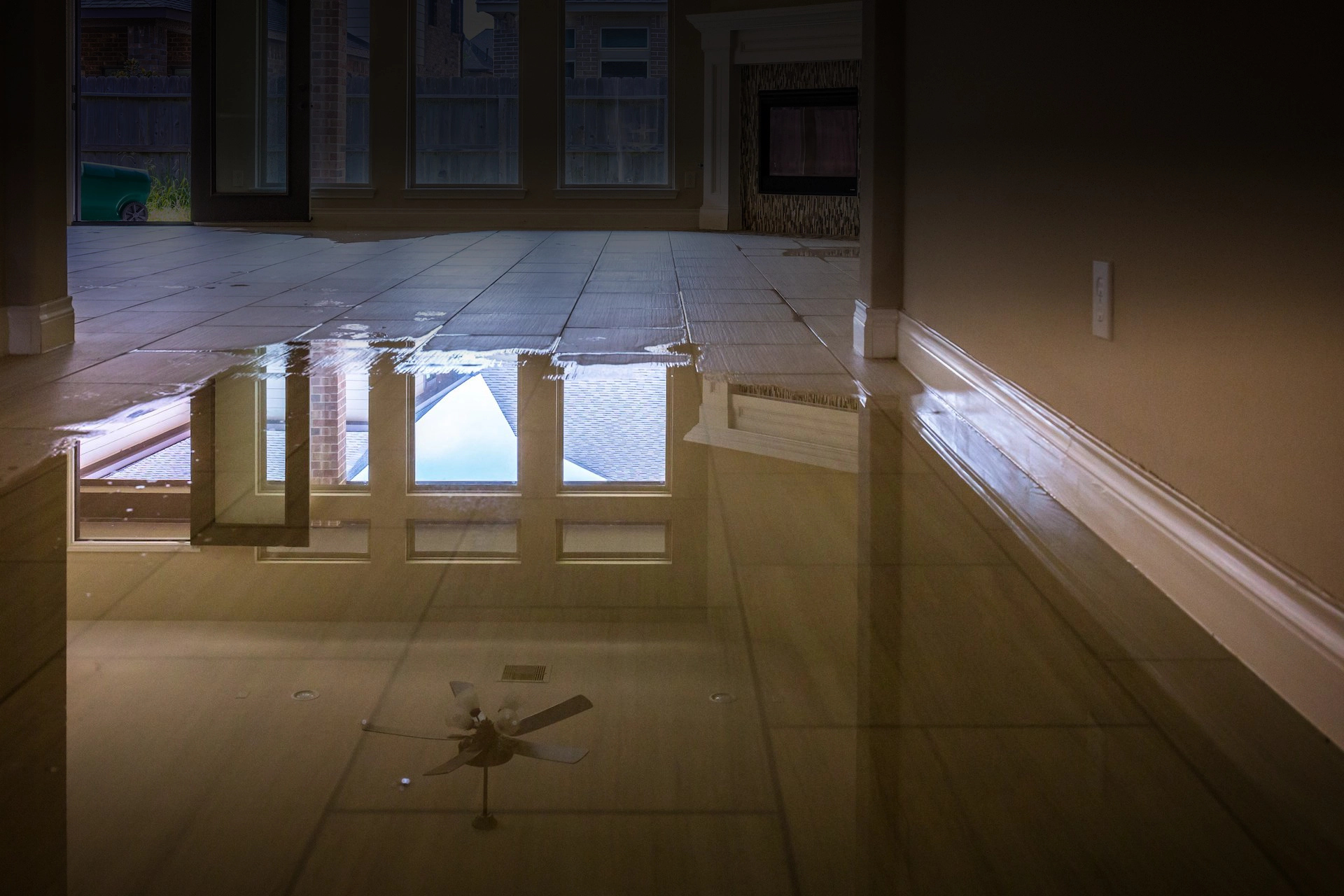
Of all the consequences of water damage, mold is the one that sneaks up on homeowners the most. The flooding was addressed weeks ago. The carpets were dried. The walls look fine. But then someone in the household starts experiencing respiratory issues, or a musty odor appears from nowhere, or a discoloration shows up behind a piece of furniture. Mold has been growing silently — and now the cleanup just got significantly more complex and costly.
At All Clean Restoration, we treat every water damage job as a potential mold prevention event — because we know what happens when moisture is left behind.
How Fast Does Mold Grow After Water Damage?
According to the EPA and the Centers for Disease Control and Prevention (CDC), mold can begin growing on wet materials in as little as 24 to 48 hours under the right conditions. Mold spores are naturally present in virtually every indoor environment — they’re waiting for moisture to activate.
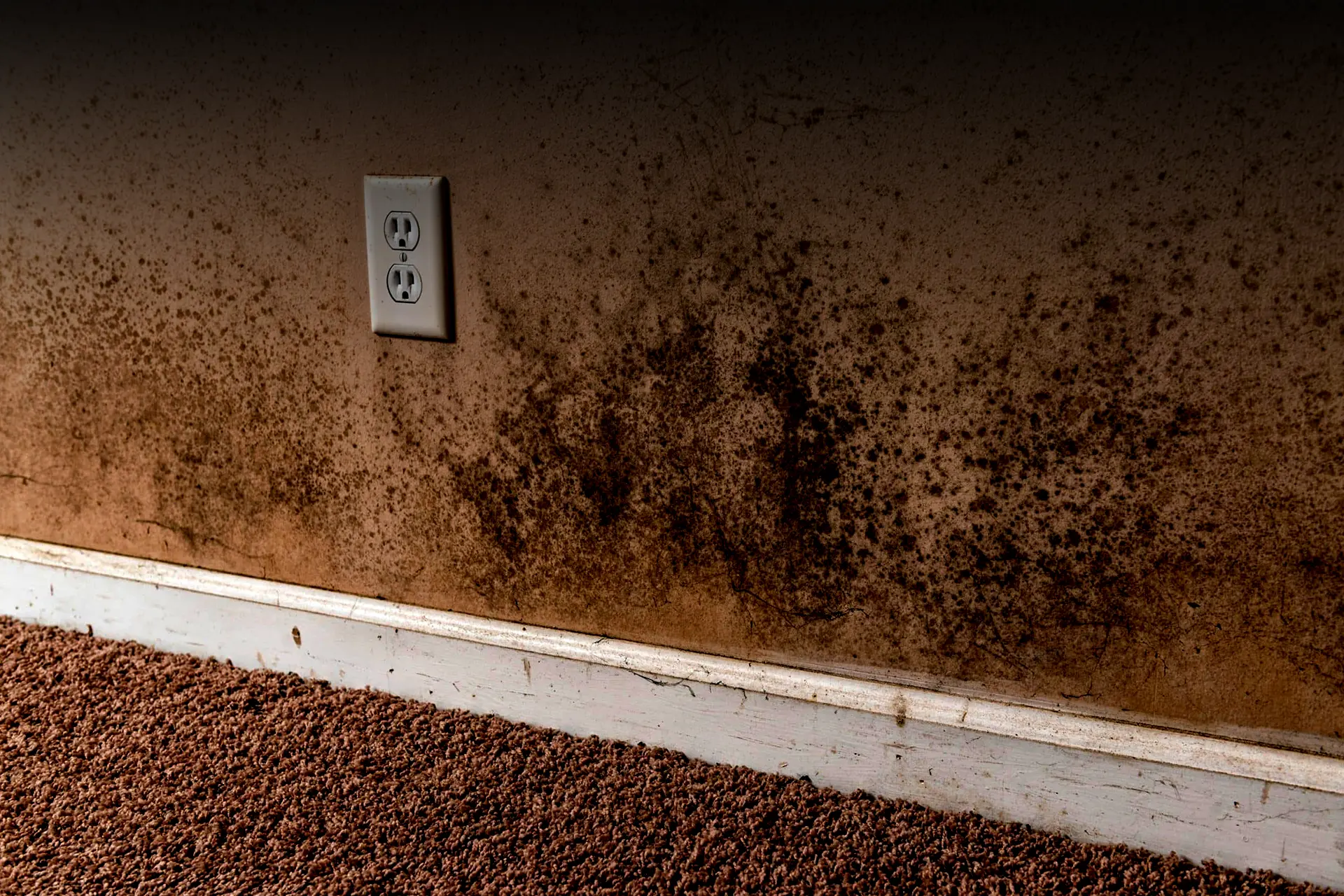
Once moisture is available, mold doesn’t wait for you to notice it. It grows in hidden spaces — inside wall cavities, under flooring, in insulation, behind baseboards, and in any organic material that remained wet. By the time mold is visible to the naked eye, it has typically been growing for days or weeks.
The Conditions Mold Needs
Understanding mold’s requirements helps explain why water damage creates such ideal conditions for it:
- Moisture: The single most critical factor. Without moisture, mold cannot grow.
- Organic material: Drywall, wood framing, paper backing on insulation, carpet fibers, and ceiling tiles are all ideal mold food.
- Temperature: Mold thrives between 68°F and 86°F — the exact range of most homes and businesses.
- Darkness: Most mold species prefer low-light conditions, making wall cavities, crawlspaces, and basements perfect habitats.
A flooded home hits all four. This is why the 24–72 hour window after a water event is so critical — and why professional water remediation that eliminates hidden moisture is the most effective mold prevention strategy available.
Common Mold Hotspots After Water Damage
Drywall: Drywall’s gypsum core and paper facing are highly absorbent and excellent mold substrates. Saturated drywall that isn’t properly addressed almost always develops mold.
Subfloor materials: Oriented strand board (OSB) and plywood subfloor hold moisture and develop mold below hardwood and tile surfaces where it isn’t visible until flooring is removed.
Wall cavities: When water migrates into wall cavities, the interior surfaces — insulation, wood framing, back of drywall — create a warm, dark, moist mold paradise that can grow undetected for months.
Carpeting and pad: Carpet can be dried, but the underlying pad almost always needs to be removed and replaced after significant saturation. Wet pad is one of the fastest mold development sites in any water damage scenario.
Crawlspaces and basements: Water intrusion in these areas frequently goes undetected for extended periods, allowing extensive mold colonization to occur before discovery.
Health Impacts of Mold Exposure
The CDC notes that mold exposure can cause a range of health effects, particularly in sensitive individuals. These include:
- Nasal and sinus congestion
- Eye, throat, and skin irritation
- Coughing and wheezing
- Asthma exacerbations
- Headaches
- In more sensitive individuals, more serious respiratory and immune responses
Black mold (Stachybotrys chartarum) — commonly discussed in media coverage of water damage — is one of many mold species that can develop after water damage. However, any significant mold growth should be treated seriously, regardless of species, particularly for household members with respiratory conditions, allergies, infants, elderly residents, or immunocompromised individuals.
How All Clean Restoration Prevents Mold After Water Damage
Our water damage remediation process is specifically designed to eliminate the conditions mold needs before it has a chance to establish itself:
- Complete moisture elimination: We don’t declare a job done until moisture meters confirm every affected material has reached its target moisture content. Hidden moisture = future mold. Period.
- Controlled demolition when necessary: If drywall, insulation, or flooring cannot be dried in place within the IICRC-recommended timeframe, we remove it. It’s replaceable. Your health isn’t.
- Antimicrobial treatment: Every affected surface receives EPA-registered antimicrobial treatment to inhibit mold germination during and after the drying process.
- Daily monitoring: We don’t set equipment and disappear. We check drying progress daily and adjust accordingly.
- Comprehensive documentation: Our drying records provide evidence that the job was completed properly — important if mold is alleged to have developed and insurance questions arise later.
What If Mold Is Already Present?
If you’ve discovered mold after a previous water damage event — or if you’re dealing with a situation where water has been present for more than 48 hours — you may already have a mold problem in addition to an active water damage situation.
All Clean Restoration provides full mold removal and remediation services in addition to water damage cleanup. We can address both simultaneously, using proper containment, HEPA air filtration, and professional removal protocols to safely remediate mold and eliminate the moisture driving its growth.
Water damage and mold don’t have to be the story of your home. Call All Clean Restoration at 618-235-3202 as soon as water damage occurs — and we’ll make sure mold never gets the chance to be the second chapter.
Recent Blog Articles:

The Science of Structural Drying: How We Actually Dry Your Home

Can My Belongings Be Saved After Water Damage?

Is Water Damage Making You Sick? Mold, Air Quality, and Your Health

Why Your House Smells Musty — And Why You Shouldn’t Ignore It
All Clean Restoration's Other Services
Whether water, mold, fire, or smoke causes damage to your home or business, the effects are heartbreaking and often life-changing. We at All Clean Restoration understand the devastation and pain these events can cause. We also understand that quick and proper action is crucial to prevent further damage, red tape, and cost.

Licensed | Bonded | Insured