LICENSED | BONDED | INSURED
618-235-3202
Water Damage Categories Explained: Why Not All Water Removal & Cleanup Is the Same

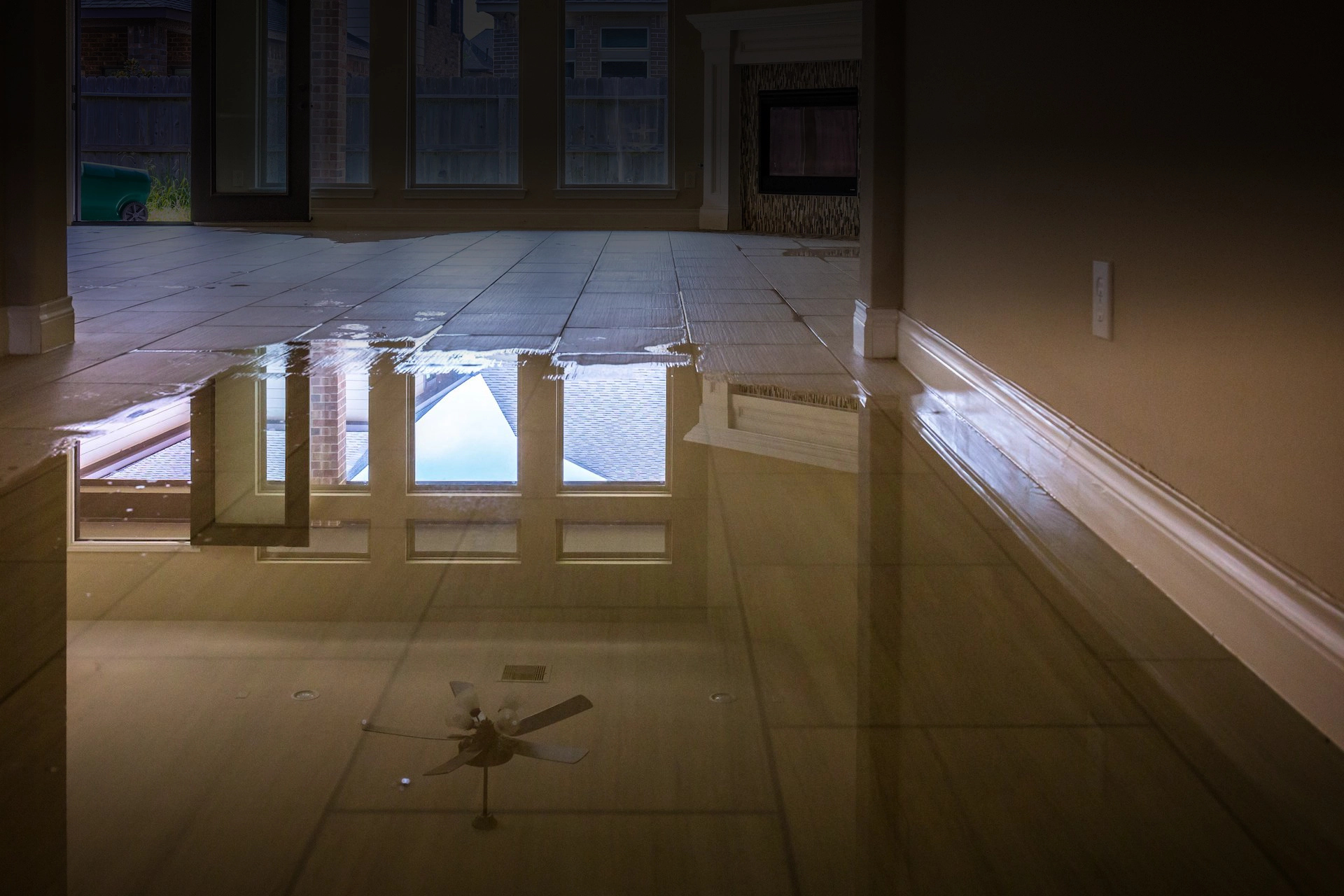
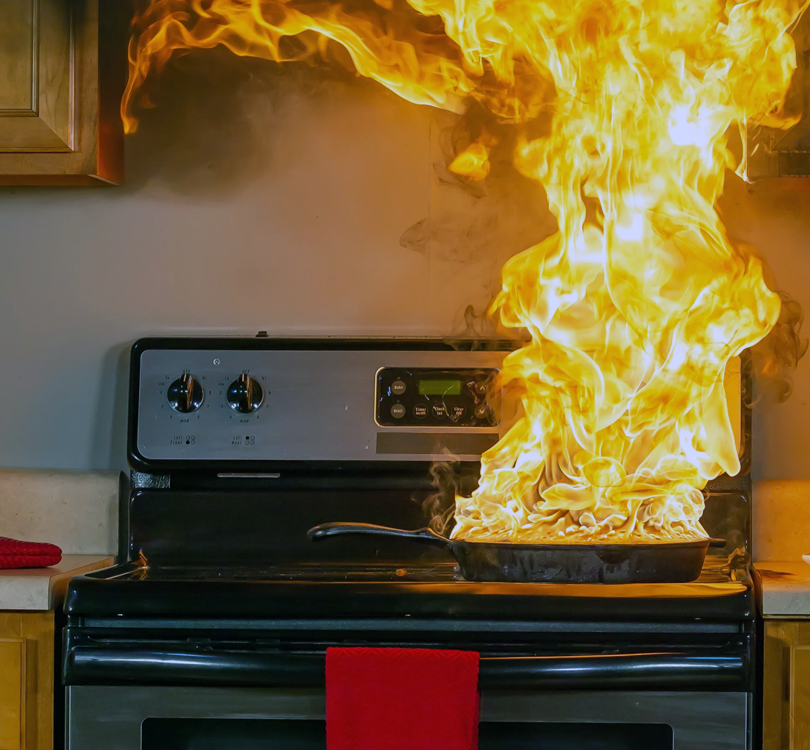
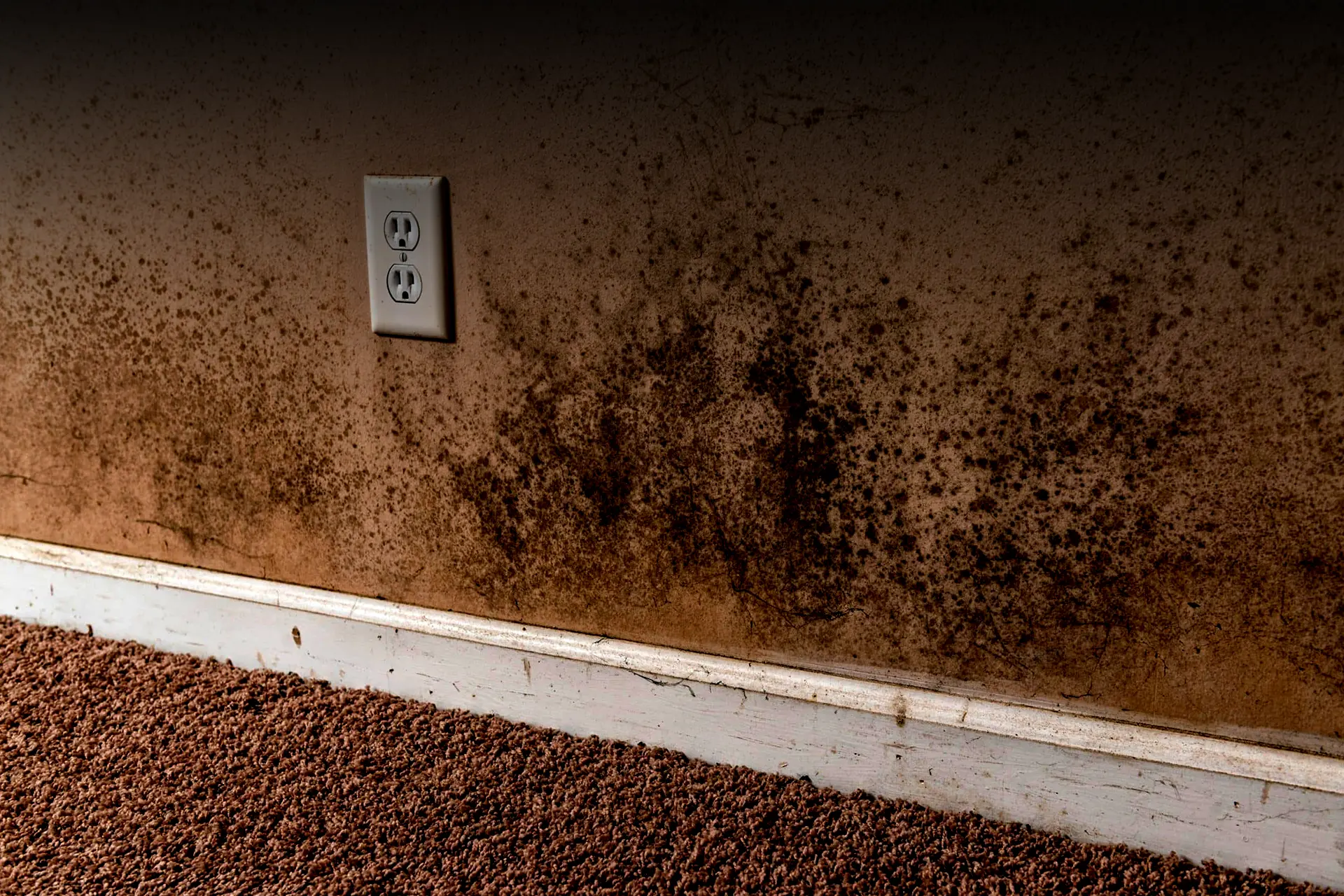
If you've been devastated by water, mold, fire, and/or smoke damage, know that your cherished possessions, your home or business, can all be restored to pre-damage condition; bringing back your peace of mind.
Whether water, mold, fire, or smoke causes damage to your home or business, the effects are heartbreaking and often life-changing. We at All Clean Restoration understand the devastation and pain these events can cause. We also understand that quick and proper action is crucial to prevent further damage, red tape, and cost.
Call us any time, day or night:
1-800-4223944
Related Topics:
When a pipe bursts or a storm floods your basement, most homeowners picture the same thing: standing water that needs to be pumped out and dried up. But in the restoration industry, not all water is created equal. The source of that water determines how it must be handled, what protective equipment technicians wear, what materials can be saved, and how thorough the water removal and cleanup process needs to be.
At All Clean Restoration, we classify every water damage job using the same framework set by the Institute of Inspection Cleaning and Restoration Certification (IICRC) before we ever turn on an extraction pump. Understanding these categories helps homeowners and business owners across Belleville, IL, the Metro East, and the greater St. Louis area make smarter decisions in the first critical hours after a water event.
The Three Categories of Water Damage
Category 1: Clean Water
Category 1 water comes from a sanitary source — a supply line break, a malfunctioning water heater, or an overflowing sink with no contaminants. This is the “best-case scenario” for water removal and cleanup, but clean water doesn’t stay clean for long. Left untreated for more than 24–48 hours, it begins absorbing contaminants from carpet, subflooring, and wall cavities and can degrade into Category 2 water.
Category 2: Gray Water
Gray water contains a significant degree of contamination and can cause discomfort or illness if you’re exposed to it. Common sources include washing machine overflow, dishwasher discharge, toilet overflow with urine but no feces, and water that has traveled through walls or ceilings picking up building materials along the way. Gray water cleanup requires antimicrobial treatment, not just drying.
Category 3: Black Water
Black water is grossly contaminated and can contain pathogenic, toxigenic, or other harmful agents. This includes sewage backups, flooding from rivers or streams, and any water that has been standing long enough to support microbial growth. Category 3 water damage cleanup requires full personal protective equipment, containment, and often the removal of porous materials like drywall, insulation, and carpet padding that can’t be safely disinfected. If you’re dealing with a sewage event specifically, our team walks through the added risks in our guide to sewage backup cleanup.
Why the Category Matters for Your Water Removal & Cleanup Plan
Misjudging the water category is one of the most costly mistakes a property owner or an inexperienced cleanup crew can make. Treating Category 3 water like Category 1 — simply running fans and calling it done — can leave behind bacteria, mold spores, and odor-causing contaminants that resurface weeks later, often as a hidden mold problem. Our technicians test the water and the affected materials on-site to confirm the category before building a cleanup plan, which determines:
- Which materials can be dried and saved versus which must be safely removed and disposed of
- What level of personal protective equipment and containment barriers are required
- Which antimicrobial and disinfection products are used during structural drying
- How air quality and moisture levels are monitored throughout the water removal and cleanup process
- Whether your insurance documentation needs to reflect a contamination classification
Our Water Removal & Cleanup Process
Regardless of category, every job starts the same way: a fast, thorough response. Our crews are trained to arrive and begin water extraction within 30 minutes of your call, day or night — a window we take seriously, as we explain in our breakdown of the 30-minute response window.
- Inspection & category testing: We identify the water source and classify contamination before any equipment is deployed.
- Extraction: Truck-mounted and portable extraction units remove standing water from floors, carpet, and padding.
- Containment (Category 2 & 3): Contaminated areas are isolated to prevent cross-contamination to unaffected parts of the property.
- Antimicrobial treatment: Affected surfaces are treated to stop bacterial and mold growth before drying begins.
- Structural drying: Commercial-grade air movers and dehumidifiers dry framing, subfloor, and wall cavities — not just visible surfaces.
- Monitoring: We track moisture levels daily using moisture meters and thermal imaging until materials reach a safe, dry standard.
Basements are especially prone to Category 2 and 3 contamination because groundwater and sump pump failures often mix with soil and debris. If your lower level has flooded, our detailed guide on basement flooding in Southern Illinois covers the specific risks homeowners face.
Skipping Professional Cleanup Has a Cost
Because clean water can degrade into gray or black water within 24 to 48 hours, delaying professional water removal and cleanup doesn’t just risk more structural damage — it can change which category you’re dealing with entirely. And once contaminated water sits, mold spores can take hold in as little as a day. Our article on the link between water damage and mold explains exactly how quickly that risk grows.
| Not Sure What You’re Dealing With? We’ll Tell You Straight.
Every water damage job starts with an honest assessment of the category, the risk, and the right plan to fix it. All Clean Restoration provides free estimates and works directly with your insurance company throughout the process. We proudly serve Belleville, IL and the entire Bi-State Metro area, with a 30-minute emergency response, 24/7. |
All Clean Restoration has provided water removal and cleanup services throughout Illinois and Missouri for more than 45 years. Learn more about our full range of water damage restoration services, check whether we serve your area, or contact us today for a free estimate. If you’re navigating a claim, our team can also help you understand how insurance coverage works for water damage cleanup.
Recent Blog Articles:

Breathe Easy Again: Your Ultimate Guide to Mold Restoration

Don’t Panic: A Guide to Water Damage Restoration in Your Home

Helping You Rise from the Ashes: Fire and Smoke Restoration Services by All Clean Restoration

Why Moisture Barriers are Essential for Your Home: Preventing Mold, Rot, and More
All Clean Restoration's Other Services
Whether water, mold, fire, or smoke causes damage to your home or business, the effects are heartbreaking and often life-changing. We at All Clean Restoration understand the devastation and pain these events can cause. We also understand that quick and proper action is crucial to prevent further damage, red tape, and cost.

Licensed | Bonded | Insured