LICENSED | BONDED | INSURED
618-235-3202
Water Damage Cleanup Done Right: A Step-by-Step Guide to What Professionals Actually Do

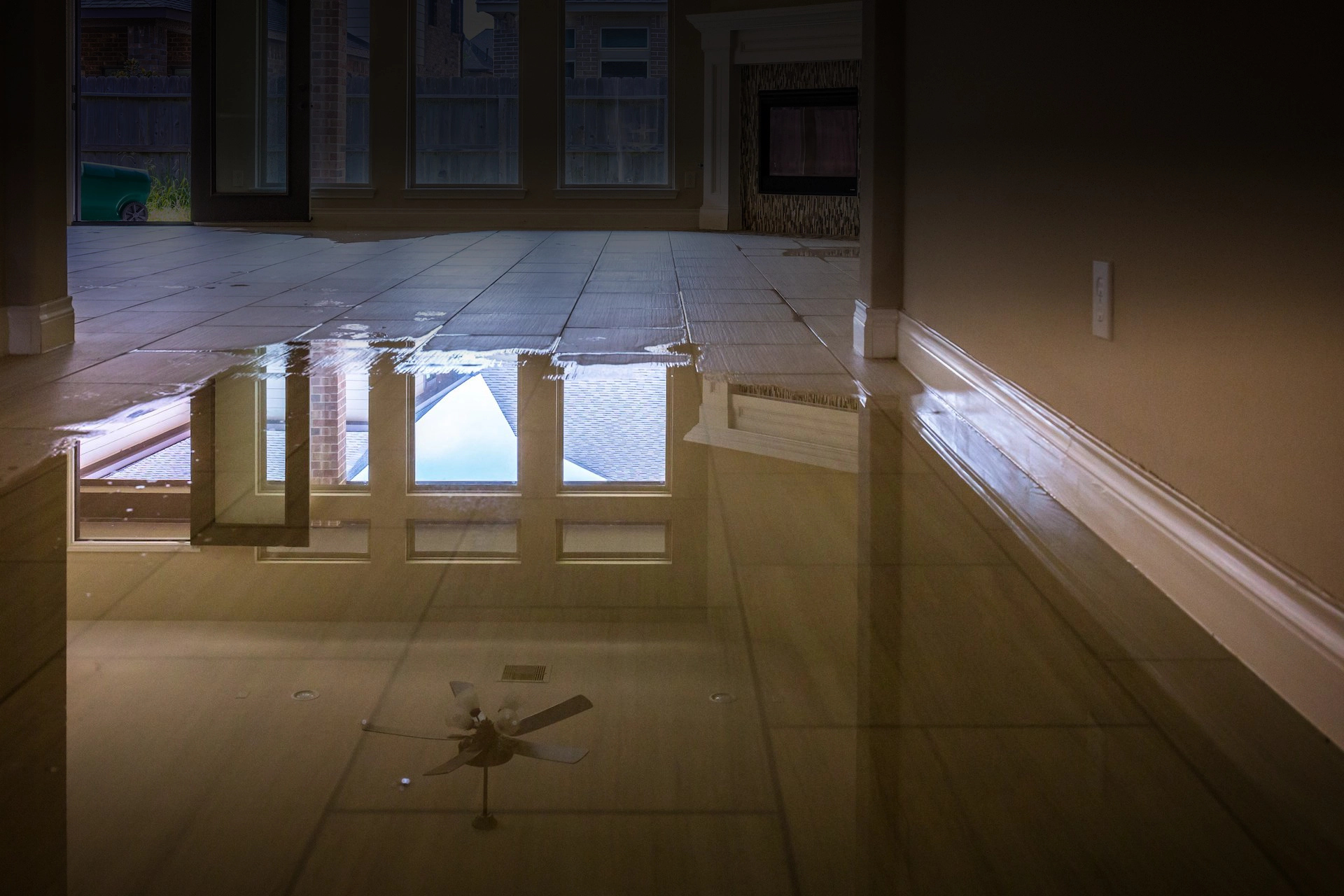
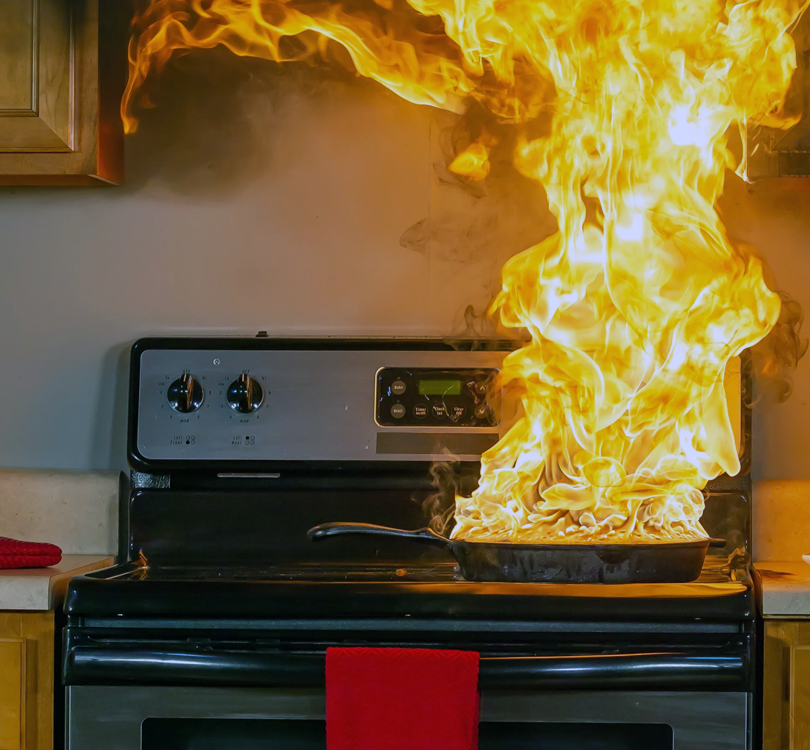
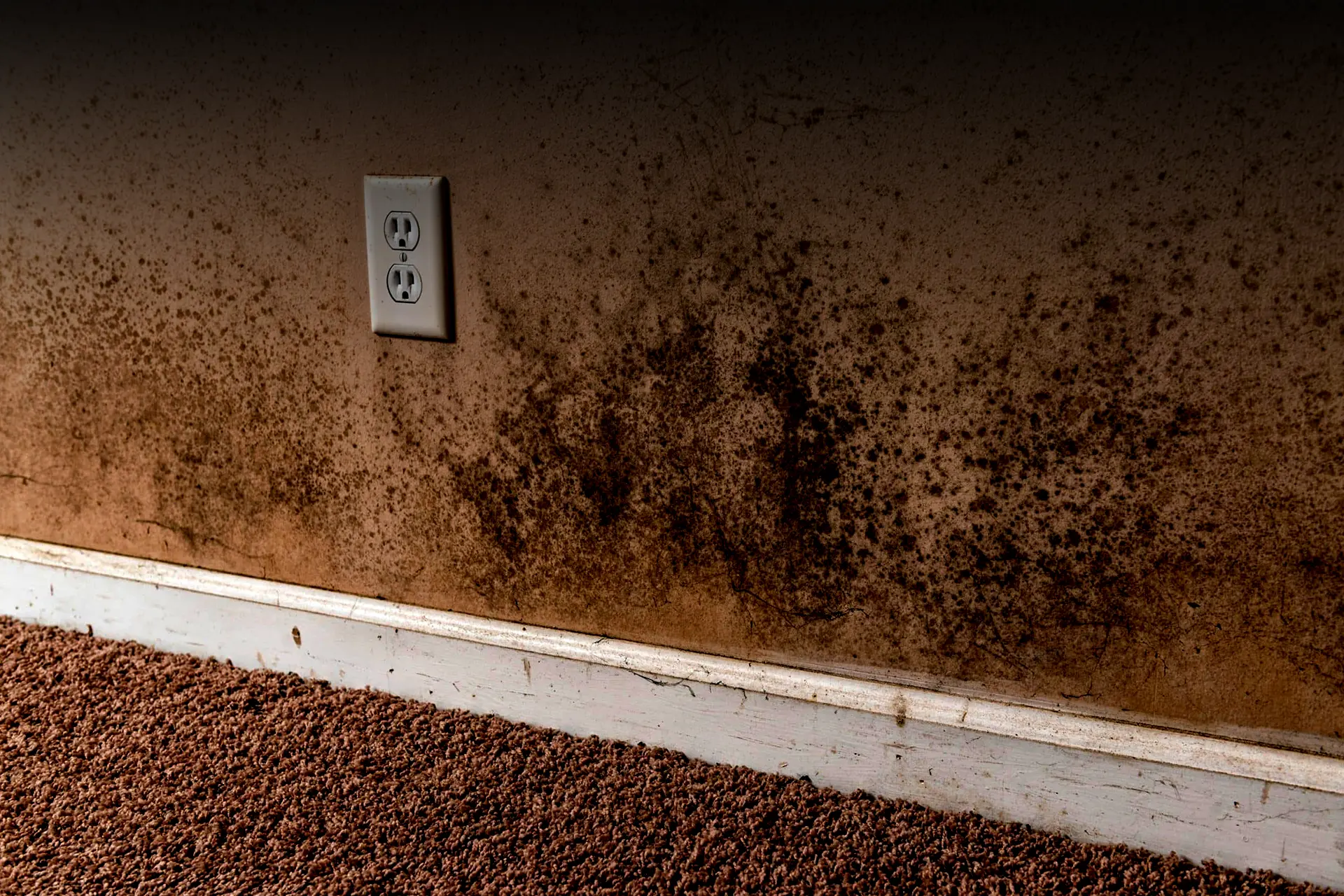
If you've been devastated by water, mold, fire, and/or smoke damage, know that your cherished possessions, your home or business, can all be restored to pre-damage condition; bringing back your peace of mind.
Whether water, mold, fire, or smoke causes damage to your home or business, the effects are heartbreaking and often life-changing. We at All Clean Restoration understand the devastation and pain these events can cause. We also understand that quick and proper action is crucial to prevent further damage, red tape, and cost.
Call us any time, day or night:
1-800-4223944
Related Topics:
When water damage hits, homeowners instinctively want to know: what happens next? What does a professional water damage cleanup actually look like? How long will it take? Will my floors be saved? What about my insurance?
At All Clean Restoration, we believe an informed client is an empowered client. That’s why we walk every property owner through our process from the first phone call to the final walkthrough. Here’s a comprehensive, step-by-step breakdown of what professional water damage cleanup looks like — and why each phase matters.
Phase 1: Emergency Contact and Dispatch (Minutes 1–30)
The moment you call 618-235-3202, you’ll speak with a live person — not an answering service, not a voicemail. Our dispatcher gathers key information: the source of the water, the areas affected, whether the source is stopped, and any immediate safety concerns.
Our crew is dispatched immediately and arrives on-site within 30 minutes anywhere in our service area. We don’t leave you waiting for hours while water continues spreading.
Phase 2: Assessment and Documentation (Minutes 30–60)
Before any equipment is moved in, our IICRC-certified technicians conduct a thorough assessment:
- Safety check: Electrical hazards, structural stability, water contamination category
- Moisture mapping: Using thermal imaging and moisture meters to identify all affected areas — including hidden moisture behind walls and under floors
- Photo and video documentation: Comprehensive documentation of all damage before any work begins, creating the foundation for your insurance claim
- Scope of work development: A written plan identifying all affected materials, required equipment, and estimated drying timeline
This documentation phase is critically important. The National Flood Insurance Program and private insurance carriers require detailed evidence of the damage and the remediation work performed. All Clean Restoration’s documentation is thorough enough to stand up to the scrutiny of any adjuster.
Phase 3: Water Extraction (Hours 1–4)
Standing water and saturated materials are addressed with industrial extraction equipment. For typical residential water damage scenarios, this phase includes:
- Truck-mounted extraction for large volumes of standing water
- Portable extraction units for areas trucks cannot reach — upper floors, tight spaces, closets
- Carpet wand extraction for saturated carpeting and padding
- Hardwood floor extraction using specialized floor drying mats and Injectidry systems that pull moisture directly from within the wood — giving us the best possible chance of saving your hardwood floors
Phase 4: Controlled Demolition (As Needed)
This is the phase that surprises many homeowners — but it’s often unavoidable. Saturated drywall cannot be dried in place if it has been soaked for more than a few hours. Attempting to dry wet drywall with equipment alone traps moisture behind the surface, creating ideal mold conditions.
When necessary, we perform flood cuts — removing drywall to a height (typically 12–18 inches above the water line) that exposes the wet wall cavity and allows the structural framing, insulation, and back of the drywall to be fully dried before reconstruction begins.
This controlled demolition is not destruction — it’s precision. And it’s far less costly than discovering mold in your walls six weeks after a supposedly completed cleanup.
Phase 5: Structural Drying (Days 1–5)
Commercial-grade equipment is placed according to a calculated drying plan:
- High-velocity air movers create rapid evaporation from wet structural materials
- LGR (Low-Grain Refrigerant) dehumidifiers pull the evaporated moisture from the air and discharge it as condensate, continuously lowering the humidity in the drying chamber
- Desiccant dehumidifiers for particularly wet or cold conditions
- Wall and cabinet drying systems — specialized equipment that injects dry air directly into wall cavities, drying from the inside out
Drying typically takes 3–5 days for standard residential water damage, though larger events, contamination scenarios, or unusually wet conditions may extend this timeline. All Clean Restoration monitors daily.
Phase 6: Antimicrobial Treatment
Once structural materials reach appropriate moisture levels, affected surfaces are treated with EPA-registered antimicrobial agents to inhibit mold and bacterial growth. This is a standard part of every water damage cleanup we perform — not an optional add-on.
Phase 7: Content Cleaning and Pack-Out (If Needed)
For major water events, personal belongings, furniture, and valuables may need to be removed for professional drying, cleaning, or storage. All Clean Restoration handles content management with care, documenting every item for insurance purposes.
For textiles — rugs, upholstery, drapes — our carpet and rug drying services use professional techniques to restore rather than replace wherever possible.
Phase 8: Final Inspection and Clearance
Before we close any water damage cleanup job, we conduct a final inspection using moisture meters to verify that every affected material has reached its target moisture content. We don’t sign off on a job until the numbers confirm it’s complete.
This final documentation is provided to you and your insurance carrier as proof of remediation completion.
Phase 9: Restoration and Reconstruction
Remediation is complete. Now the property needs to be restored to its pre-loss condition: drywall replaced and painted, flooring reinstalled, cabinets repaired. All Clean Restoration handles the full restoration process, so you don’t need to coordinate a separate contractor. Contact us to discuss your full restoration scope.
We Work With Your Insurance Company
Navigating a water damage insurance claim is stressful. All Clean Restoration works directly with your insurance carrier — documenting the damage, communicating with your adjuster, and ensuring your claim reflects the full scope of the damage and the remediation work performed. Learn more about our insurance claim assistance.
Ready to get started? Call 618-235-3202 or contact us online. We serve Belleville, Collinsville, Maryville, Glen Carbon, Columbia, and throughout the bi-state Metro East region.
Recent Blog Articles:

Smoke and Odor Removal: Refreshing a Home After a Small Kitchen Fire

Water Damage Categories Explained: Why Not All Water Removal & Cleanup Is the Same

The Silent Culprits: Water Heater, Washing Machine, and Appliance Leaks

Flooded Carpet: Should You Save It or Replace It?
All Clean Restoration's Other Services
Whether water, mold, fire, or smoke causes damage to your home or business, the effects are heartbreaking and often life-changing. We at All Clean Restoration understand the devastation and pain these events can cause. We also understand that quick and proper action is crucial to prevent further damage, red tape, and cost.

Licensed | Bonded | Insured