LICENSED | BONDED | INSURED
618-235-3202
Water Damage in Your Attic: Signs, Causes, and What to Do

If you've been devastated by water, mold, fire, and/or smoke damage, know that your cherished possessions, your home or business, can all be restored to pre-damage condition; bringing back your peace of mind.
Whether water, mold, fire, or smoke causes damage to your home or business, the effects are heartbreaking and often life-changing. We at All Clean Restoration understand the devastation and pain these events can cause. We also understand that quick and proper action is crucial to prevent further damage, red tape, and cost.
Call us any time, day or night:
1-800-4223944
Related Topics:
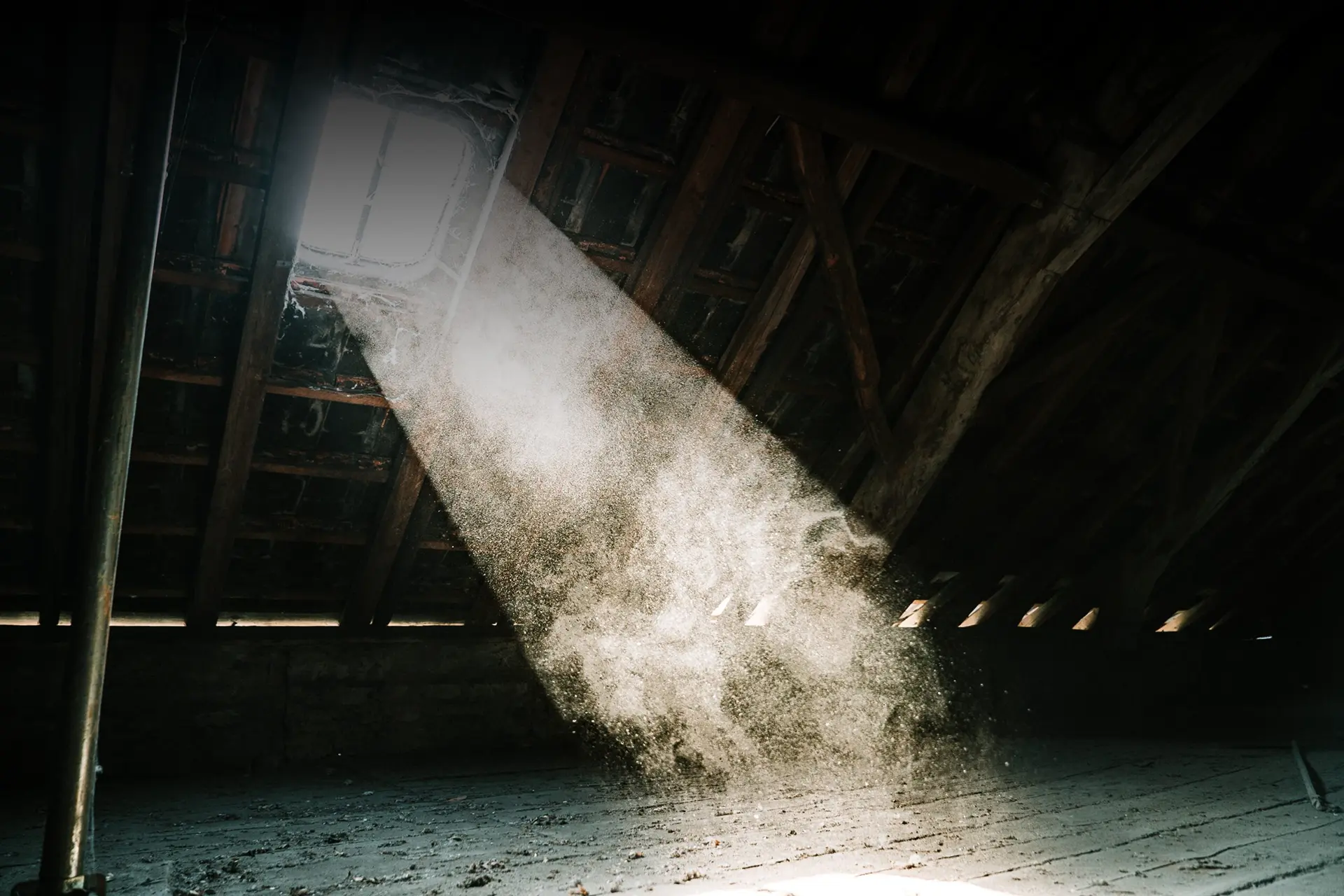
The attic is one of the most commonly neglected spaces in any home — and unfortunately, it is also one of the most vulnerable to water damage. Because most homeowners rarely set foot in their attic, water damage that originates there can progress for months or even years before being discovered. By the time visible signs appear in the living spaces below — water stains on ceilings, sagging drywall, or mold on upper-floor walls — the damage in the attic itself is often extensive.
All Clean Restoration serves homeowners throughout Southern Illinois and the St. Louis metro area dealing with attic water damage, from the initial emergency response through complete structural drying and restoration. Understanding the causes and signs of attic water damage is the first step in protecting one of your home’s most important structural systems.
How Water Damages Attics
Attic water damage occurs through several distinct pathways. Roof leaks are the most common and most direct: water penetrating a damaged or deteriorated roof system enters the attic at the point of failure and spreads from there. The exact failure point may be a few missing or damaged shingles, failed flashing at a chimney, pipe boot, or ridge cap, ice dam formation at the eaves during winter, or simply the accumulated deterioration of an aging roof system reaching the end of its service life.
Condensation is another significant source of attic moisture, particularly in Southern Illinois and Missouri where humid summers and cold winters create large temperature differentials. When warm, humid air from the living space below enters the attic through gaps in the ceiling — around recessed light fixtures, at attic access hatches, through penetrations for wiring and plumbing — and encounters the cold roof deck and framing in winter, condensation deposits moisture on the structural surfaces. Over time, this condensation can saturate insulation, promote mold growth on framing, and even cause wood rot in roof deck sheathing.
The Structural Consequences of Attic Water Damage
The primary structural materials in an attic are the roof framing — rafters or trusses — and the roof deck sheathing, typically OSB or plywood. Both are wood-based and highly susceptible to water damage. When these materials are repeatedly wetted by a roof leak or sustained condensation, they begin a predictable progression: first, elevated moisture content creates conditions for mold growth on the surface of the framing and sheathing. Over time, wood rot begins, softening the structural members and reducing their load-bearing capacity. In severe cases, roof deck sheathing delaminates or collapses, and rafter or truss members can fail.
Attic insulation absorbs moisture readily. Fiberglass batt insulation becomes matted and permanently loses its thermal performance when wet. Blown-in cellulose insulation absorbs water like a sponge and compacts when wet, creating a dense, persistently moist mass that is an ideal environment for mold growth and very difficult to dry effectively. Wet insulation is almost always a replacement item in attic water damage remediation.
Signs of Attic Water Damage You Should Never Ignore
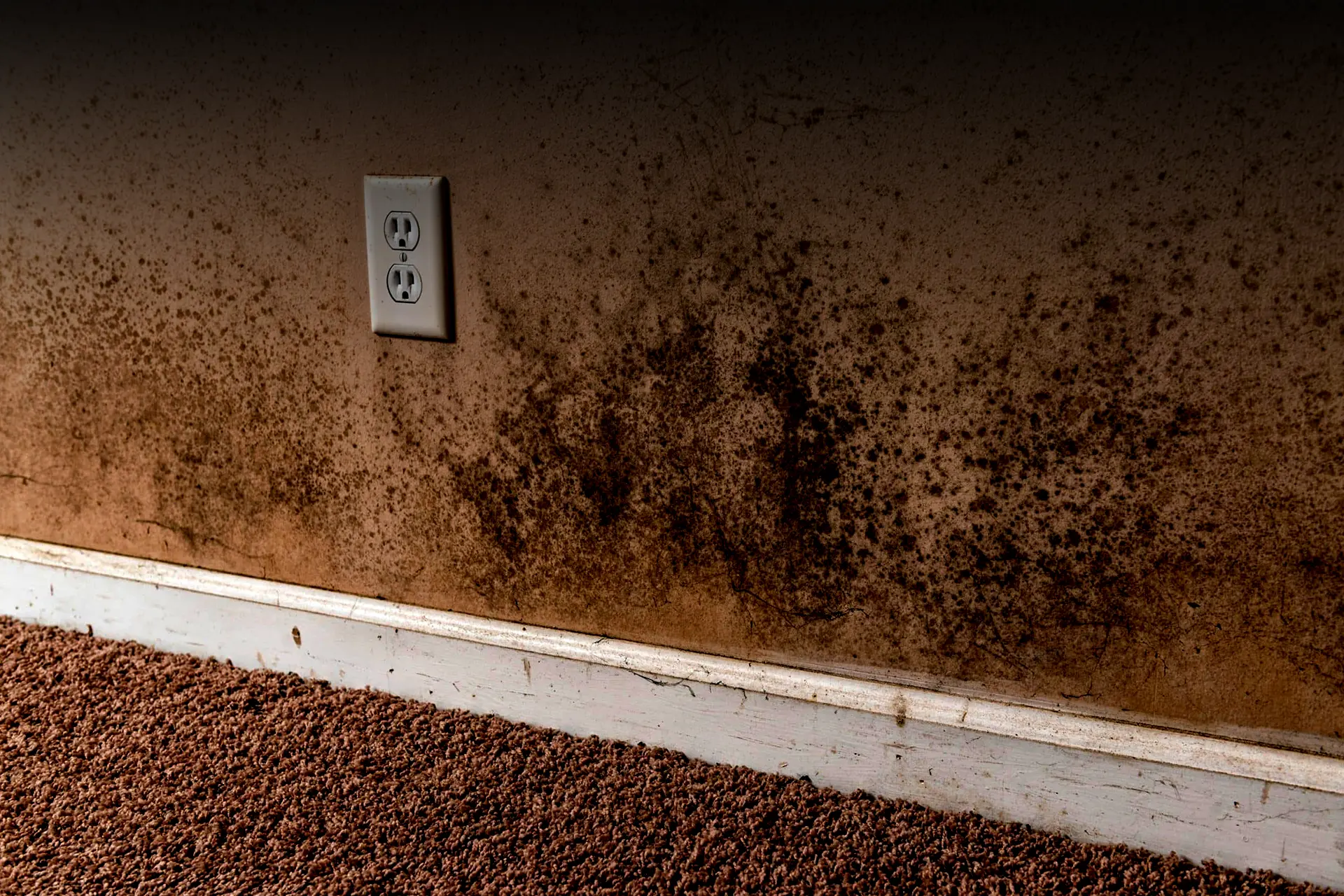
Water stains on ceilings in your upper-floor rooms — typically yellowish or brown rings or patches — indicate water that has traveled from the attic through the ceiling assembly and is visible from below. These stains may appear far from the actual roof leak because water follows framing members and other pathways before dripping through. Dark staining, black patches, or fuzzy growth visible on attic framing or roof deck sheathing during an attic inspection indicates active or past mold growth. Soft or spongy roof deck sheathing when walked on, or visible delamination of OSB panels, indicates structural degradation from water damage. Sagging areas of ceiling drywall in rooms below indicate water pooling above the ceiling and saturating or compromising the ceiling assembly. The smell of must or mildew coming from above in upper-floor rooms, particularly after rain, signals active moisture issues in the attic.
Professional Attic Water Damage Remediation
All Clean Restoration’s attic water damage remediation begins with a comprehensive inspection of both the attic space and the roof system above it. The moisture extent is mapped using moisture meters and thermal imaging, and the entry point for water is identified. If the roof system has not already been addressed, All Clean Restoration works with property owners to ensure roofing repairs are coordinated as part of the overall remediation plan.
Wet or mold-contaminated insulation is removed and properly disposed of. Mold-affected framing and sheathing are treated with EPA-registered antimicrobial agents and, where structural damage is present, replaced. The attic space is dried using professional air movers and dehumidifiers, and ventilation is assessed and corrected if inadequate to prevent future condensation-related moisture issues. Once the attic is dry and structurally sound, new insulation is installed. Any ceiling damage visible in rooms below is repaired as part of the complete restoration.
📞 Illinois: 618-235-3202 | Missouri: 314-454-0442 | allcleanrestoration.com Attic Water Damage Remediation — Complete Restoration — Free Estimates — 24/7 Emergency Response
Recent Blog Articles:

Proactive Steps to Prevent Frozen Pipes in the New Year

Avoid a Holiday Disaster: Common Christmas Water Damage Risks for Missouri & Illinois Homes

5 Holiday Water Damage Prevention Tips for Missouri & Illinois Homeowners

Water Damage Under Laminate Flooring: A Homeowner’s Guide for Missouri & Illinois
All Clean Restoration's Other Services
Whether water, mold, fire, or smoke causes damage to your home or business, the effects are heartbreaking and often life-changing. We at All Clean Restoration understand the devastation and pain these events can cause. We also understand that quick and proper action is crucial to prevent further damage, red tape, and cost.

Licensed | Bonded | Insured