LICENSED | BONDED | INSURED
618-235-3202
Water Damage Insurance Claims in Illinois: What You Need to Know Before You File

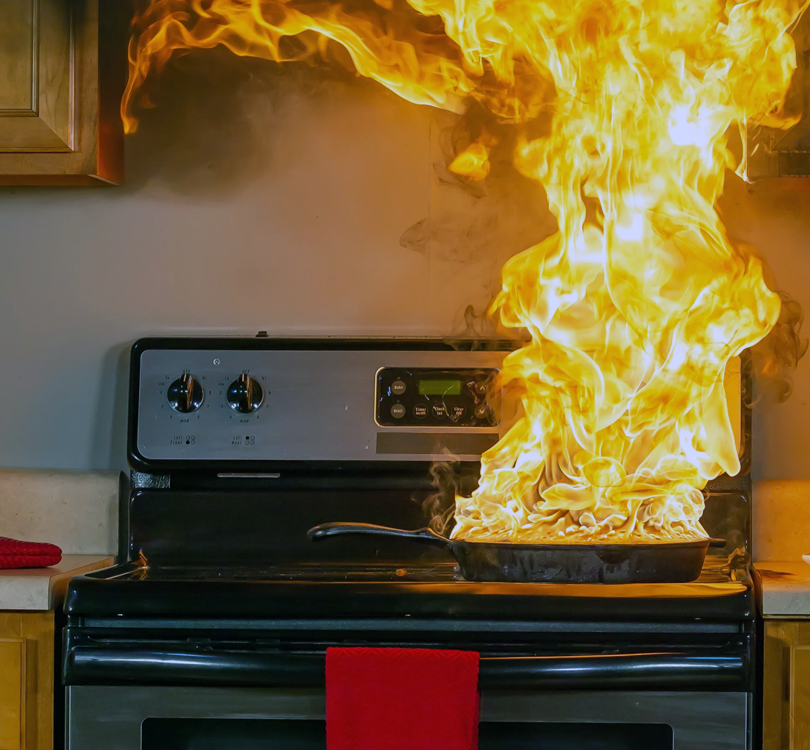
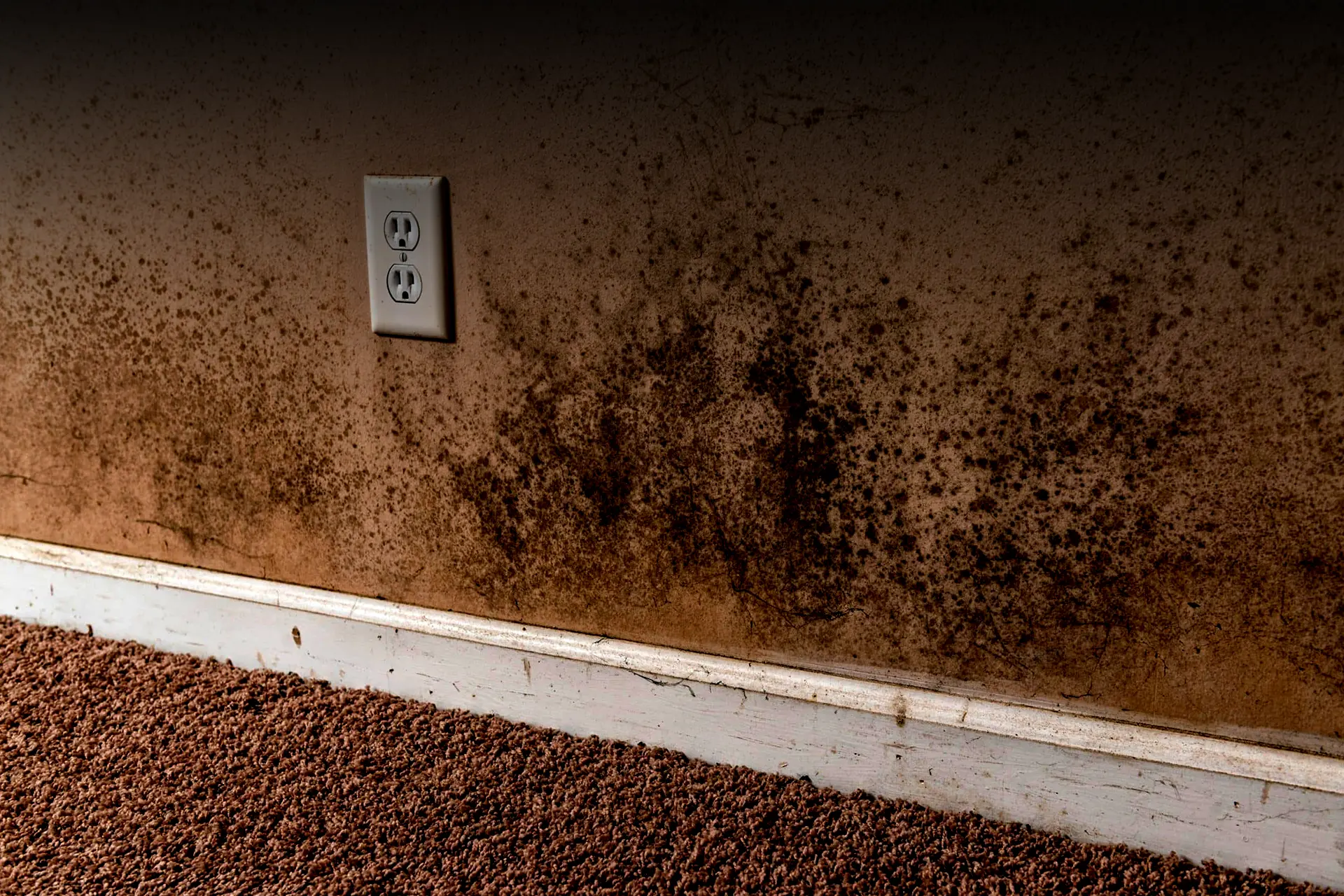
If you've been devastated by water, mold, fire, and/or smoke damage, know that your cherished possessions, your home or business, can all be restored to pre-damage condition; bringing back your peace of mind.
Whether water, mold, fire, or smoke causes damage to your home or business, the effects are heartbreaking and often life-changing. We at All Clean Restoration understand the devastation and pain these events can cause. We also understand that quick and proper action is crucial to prevent further damage, red tape, and cost.
Call us any time, day or night:
1-800-4223944
Related Topics:
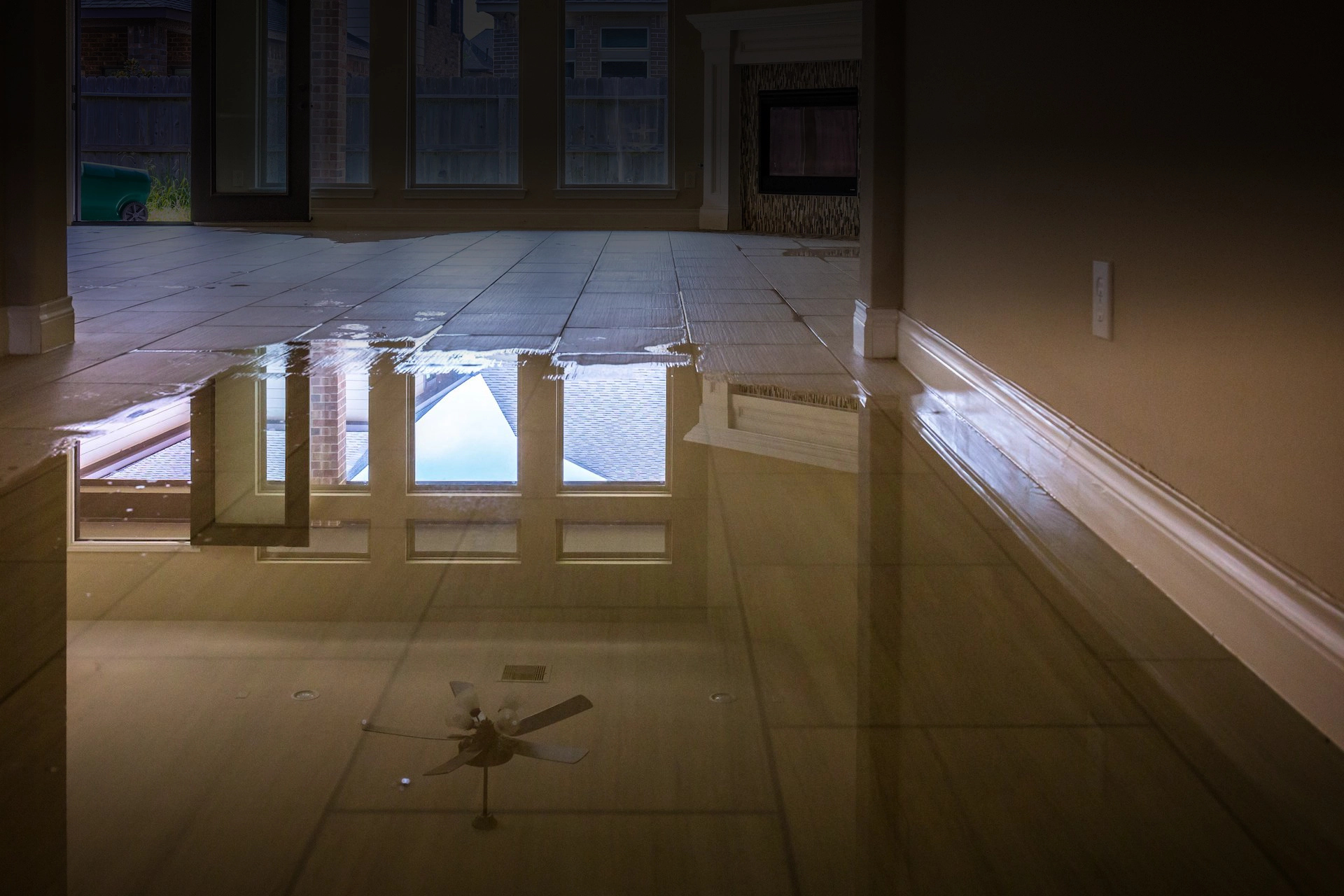
Water damage has hit your home. The panic has subsided. Now comes the next phase of stress: navigating your homeowners insurance claim. If you’ve never filed a major property claim before, the process can feel overwhelming, confusing, and frustratingly opaque.
At All Clean Restoration, we’ve worked directly with virtually every major insurance carrier serving the Southern Illinois and St. Louis Metro area for over 45 years. We’ve helped thousands of homeowners navigate the claims process — ensuring they receive the coverage they’re entitled to and aren’t left with surprise out-of-pocket costs. Here’s what every Illinois homeowner needs to know before filing a water damage claim.
What Types of Water Damage Does Homeowners Insurance Cover?
This is the most important and most misunderstood aspect of water damage insurance. Standard homeowners insurance in Illinois typically does cover water damage from:
- Burst or frozen pipes — sudden and accidental discharge from a plumbing failure
- Water heater failures — sudden and accidental discharge
- Appliance leaks — washing machines, dishwashers, refrigerators (sudden failure, not long-term leaks)
- Roof leaks from storm damage — water entry caused by wind or hail damage to the roof
- Ice dam damage — water entry from ice dams forming at the roof edge
- Toilet, sink, or tub overflows — sudden accidental overflow (may have per-incident limits)
Standard homeowners insurance typically does not cover:
- Flooding from external sources (rivers, stormwater runoff, surface flooding) — this requires a separate National Flood Insurance Program (NFIP) policy or private flood policy
- Gradual leaks — water damage from a slow drip that was known or should have been known over time
- Sewer backup — often excluded by default, though it can frequently be added as an endorsement
- Groundwater seepage — water entering through the foundation due to hydrostatic pressure
If your basement flooding was caused by stormwater or river flooding and you don’t have a separate flood policy, you may not have insurance coverage for the damage. This is an important conversation to have with your agent before disaster strikes.
The First Steps After a Water Damage Event
- Document everything immediately. Before you move anything, dry anything, or allow anyone to begin work, photograph and video the full extent of the damage. Capture every affected room, all visible water, all damaged materials and contents. The Insurance Information Institute recommends thorough photographic documentation as the foundation of any property claim.
- Call your insurance company. Notify them of the loss as soon as possible. Most policies require “prompt” reporting of claims — and delays can complicate your coverage. Your agent will open a claim and connect you with an adjuster.
- Call a professional restoration company immediately. You don’t need to wait for an adjuster to arrive before beginning remediation. In fact, waiting for an adjuster before beginning water extraction can cause significantly more damage — and your policy typically requires you to take reasonable steps to mitigate further damage. Contact All Clean Restoration at 618-235-3202 — we’ll begin work immediately and coordinate directly with your adjuster.
- Do not discard damaged materials until your adjuster has seen them or your restoration company has documented them in writing. Insurance adjusters need to assess damaged materials to determine replacement value. Premature disposal can complicate your claim.
How All Clean Restoration Works With Your Insurance Company
We’ve built direct relationships with the major insurance companies, adjusters, and agents serving the Belleville, IL and St. Louis area. When you work with All Clean Restoration:
- We document the full scope of damage thoroughly before, during, and after remediation
- We provide detailed written reports of all work performed, including moisture readings, equipment logs, and antimicrobial treatments applied
- We communicate directly with your adjuster, answering technical questions and ensuring the full extent of the damage is properly assessed
- We help ensure that hidden damage — inside walls, under floors, in crawlspaces — is included in your claim and not overlooked in an adjuster’s visual inspection
Our goal is not to inflate claims — it’s to ensure that the full, legitimate scope of your loss is properly documented and covered. Many homeowners leave significant money on the table by not having a restoration professional present during the adjuster’s inspection.
For more details about how we help with insurance claims, visit our FAQ page.
Understanding Your Policy: ACV vs. RCV
One important distinction to understand in your policy is whether you have Actual Cash Value (ACV) or Replacement Cost Value (RCV) coverage:
- ACV pays the depreciated value of damaged items — what they’re worth today, accounting for age and wear
- RCV pays what it actually costs to replace the damaged item with a new equivalent
For hardwood floors, cabinets, and structural materials that depreciate significantly over time, the difference between ACV and RCV coverage can be thousands of dollars. Review your policy with your agent and understand which type of coverage you have before you need to file a claim.
Sewer Backup Coverage: The Add-On Worth Having
Given the frequency of sewer backup events throughout Southern Illinois — particularly during heavy rain — sewer backup coverage is an endorsement we strongly encourage every homeowner to discuss with their insurance agent. Sewer backup cleanup (Category 3 water damage) is expensive, and without the endorsement, it’s entirely out of pocket.
The premium for this endorsement is typically modest — often $50–$150 per year — and can cover tens of thousands of dollars in cleanup and restoration costs.
Don’t go through a water damage insurance claim alone. Call All Clean Restoration at 618-235-3202. We’ll handle the work, navigate the paperwork, and make sure you get what your policy owes you.
Recent Blog Articles:

Wet Insulation After a Leak: Repair or Replace?

How Much Does Mold Remediation Cost in Southern Illinois?

Storm Damage Emergency Board-Up and Tarping

Why Smoke Smell Keeps Coming Back After a Fire
All Clean Restoration's Other Services
Whether water, mold, fire, or smoke causes damage to your home or business, the effects are heartbreaking and often life-changing. We at All Clean Restoration understand the devastation and pain these events can cause. We also understand that quick and proper action is crucial to prevent further damage, red tape, and cost.

Licensed | Bonded | Insured