LICENSED | BONDED | INSURED
618-235-3202
Water Damage Remediation for Illinois Businesses: Protecting Your Investment and Your Bottom Line

If you've been devastated by water, mold, fire, and/or smoke damage, know that your cherished possessions, your home or business, can all be restored to pre-damage condition; bringing back your peace of mind.
Whether water, mold, fire, or smoke causes damage to your home or business, the effects are heartbreaking and often life-changing. We at All Clean Restoration understand the devastation and pain these events can cause. We also understand that quick and proper action is crucial to prevent further damage, red tape, and cost.
Call us any time, day or night:
1-800-4223944
Related Topics:
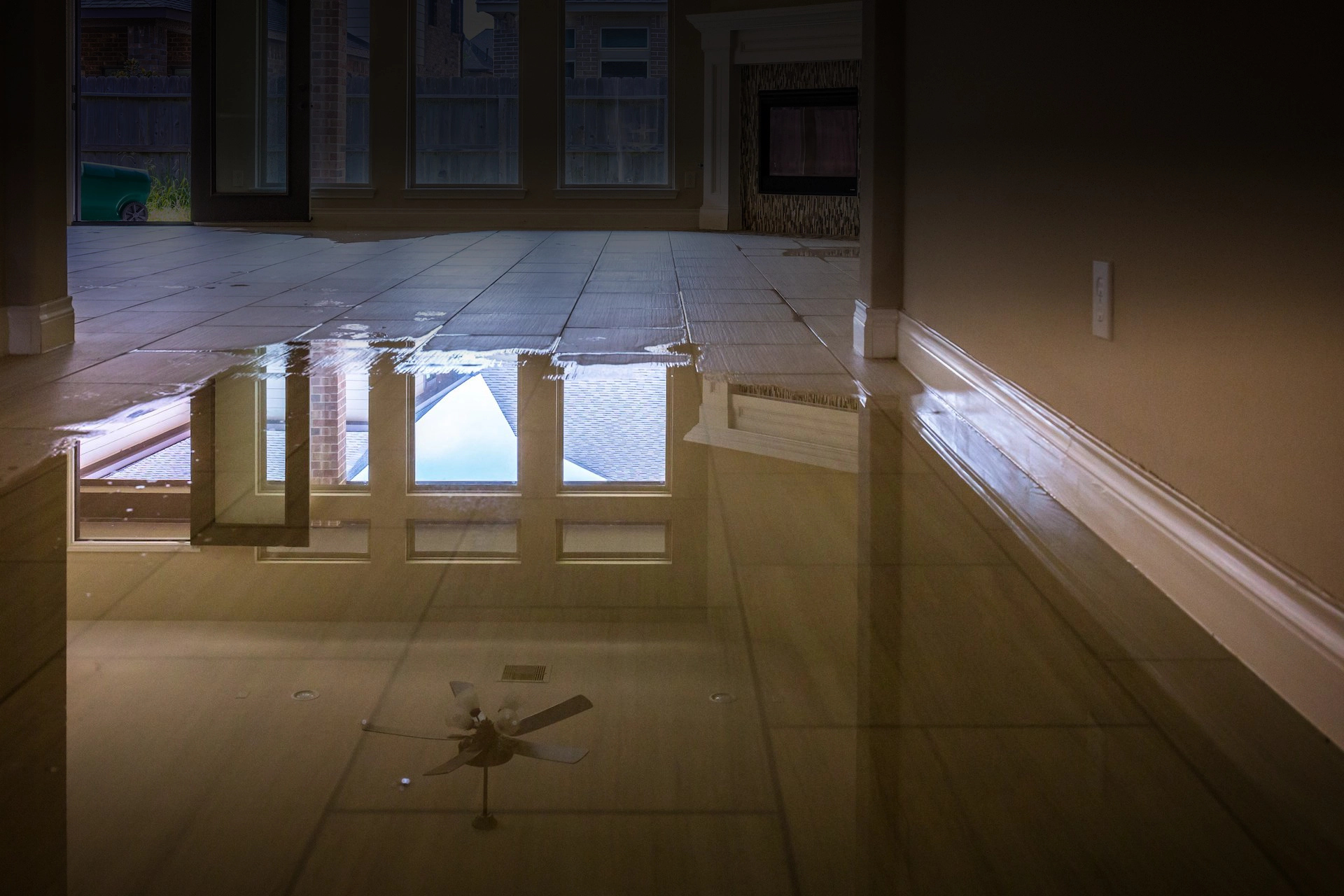
When water damage strikes a commercial property in Illinois, the stakes are immediately higher than in a residential setting. It is not just property damage — it is business interruption, potential liability exposure, and in some cases, a direct threat to the viability of the business itself. A flooded retail space loses sales for every day it is closed. A water-damaged restaurant faces health code concerns on top of structural damage. A water-compromised office building creates both a productivity and a liability issue for the businesses within it.
All Clean Restoration has been providing commercial water remediation services to businesses throughout Southern Illinois and the St. Louis metro area for over 45 years. The company understands the unique urgency, complexity, and sensitivity of commercial water damage events — and has the team, the equipment, and the experience to minimize downtime, protect your assets, and restore your facility to full operation as quickly as possible.
How Commercial Water Damage Differs From Residential
Commercial water damage events share the same fundamental physics as residential events — water intrudes, materials absorb, damage accumulates, mold becomes a risk — but the scale, the complexity, and the consequences are typically significantly greater. Commercial buildings are often larger, meaning a single water event can affect thousands of square feet of floor space, multiple tenants, and complex MEP (mechanical, electrical, plumbing) systems. The materials involved in commercial construction — commercial carpet, luxury vinyl tile, concrete, dropped ceilings with specialized tiles, commercial HVAC systems — have different water damage behavior than residential materials and require specialized remediation approaches.
The liability dimension of commercial water damage is significant. A business owner who fails to promptly address water damage and subsequently has employees, customers, or tenants affected by mold-related health issues faces serious exposure. Prompt, documented professional remediation is not just a property protection measure — it is a liability management measure. All Clean Restoration’s comprehensive documentation of every step of the remediation process provides the paper trail that protects property owners and building managers in the event of future claims.
Common Causes of Commercial Water Damage in Illinois
Illinois businesses face a range of water damage risks that are particularly relevant to commercial settings. Roof drainage failures — particularly on flat or low-slope commercial roofs, which are common on retail, warehouse, and office buildings throughout the region — are a leading cause of commercial water intrusion. Flat roofs require regular maintenance and inspections, and blocked drains can allow water to pond and eventually penetrate roofing membranes. HVAC system water damage is particularly common in commercial settings where large air handling units, cooling towers, and chilled water systems create numerous opportunities for water-related failures. Sprinkler system failures — whether from freezing, impact damage, or head malfunction — can dump enormous volumes of water into a commercial space in minutes. Plumbing failures including burst supply lines, drain backups, and restroom overflows are responsible for a significant portion of commercial water damage events.
The All Clean Restoration Commercial Response
All Clean Restoration’s response to commercial water damage begins with the same 30-minute response time that characterizes their residential service — because business interruption begins immediately and every hour without professional response extends the timeline to reopening. The commercial response team is equipped with the large-capacity extraction equipment, the quantity of air movers and dehumidifiers, and the personnel necessary to address larger-scale events efficiently.
All Clean Restoration’s commercial remediation process is specifically designed to minimize operational disruption. Where phased remediation allows portions of a facility to remain operational while affected areas are addressed, the team works with business owners to develop a remediation plan that prioritizes business continuity. Work can be scheduled to minimize disruption to business hours, and the team is experienced in working in occupied or partially occupied commercial spaces.
Insurance and Documentation for Commercial Claims
Commercial property insurance claims for water damage can be complex, involving multiple insurers, business interruption coverage, tenant liability issues, and large dollar amounts that trigger more intensive adjuster scrutiny. All Clean Restoration’s thorough documentation process — thermal imaging, moisture metering, photographic documentation, and written scope reports — provides commercial property owners and their insurance professionals with the complete evidentiary record needed to support a comprehensive claim.
All Clean Restoration has established working relationships with insurance carriers active in the Southern Illinois commercial property market, and its team speaks the technical language of insurance adjusters — facilitating faster claim review and payment and reducing the administrative burden on business owners during an already stressful event.
Protecting Your Business Starts With One Call
If your Illinois business has experienced water damage — or if you want to develop a response plan before an event occurs — contact All Clean Restoration. Available 24 hours a day, 7 days a week, with a 30-minute response guarantee, the All Clean team is ready to protect your investment and get your business back to full operation.
📞 Illinois: 618-235-3202 | Missouri: 314-454-0442 | allcleanrestoration.com Commercial Water Remediation — Minimize Downtime — Complete Documentation — Insurance Assistance
Recent Blog Articles:

Water Damage in Your Attic: Signs, Causes, and What to Do

Water Remediation vs. Water Removal: Understanding What Your Property Actually Needs

The Hidden Danger: Why Water Damage Almost Always Leads to Mold

How to Choose a Water Damage Restoration Company in Southern Illinois and St. Louis
All Clean Restoration's Other Services
Whether water, mold, fire, or smoke causes damage to your home or business, the effects are heartbreaking and often life-changing. We at All Clean Restoration understand the devastation and pain these events can cause. We also understand that quick and proper action is crucial to prevent further damage, red tape, and cost.

Licensed | Bonded | Insured