LICENSED | BONDED | INSURED
618-235-3202
Water Damage Repair: From Emergency Extraction to Full Property Restoration

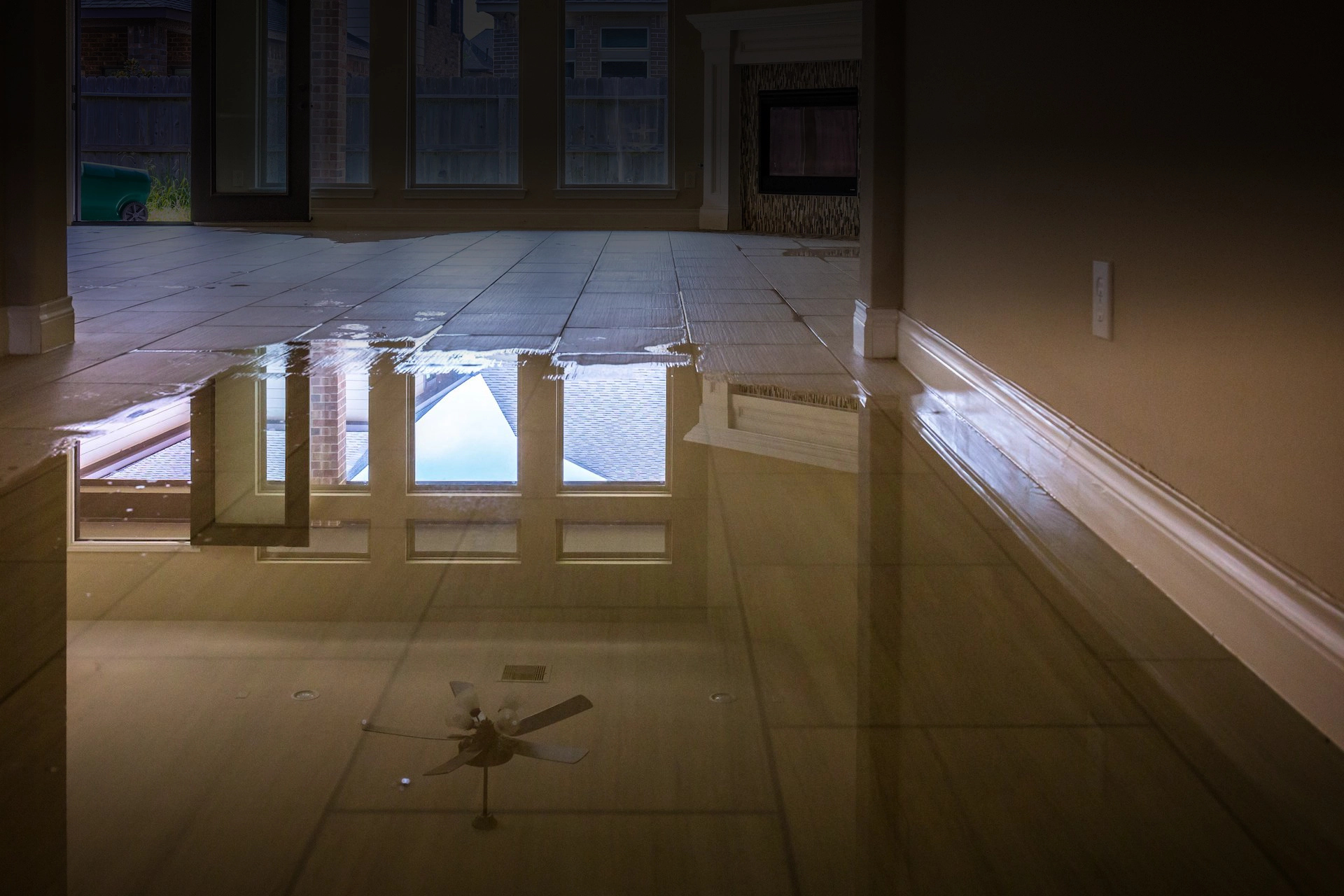
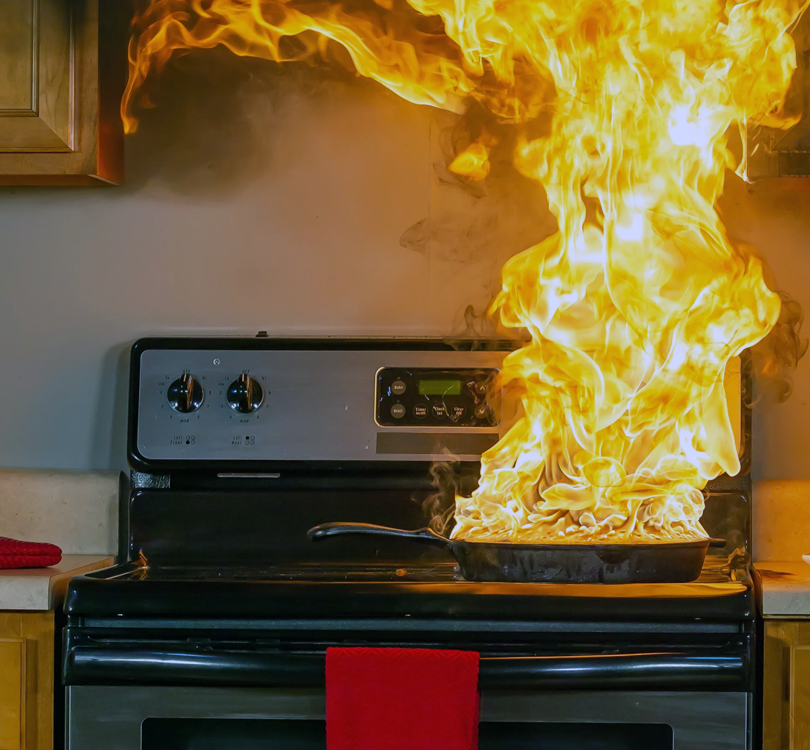
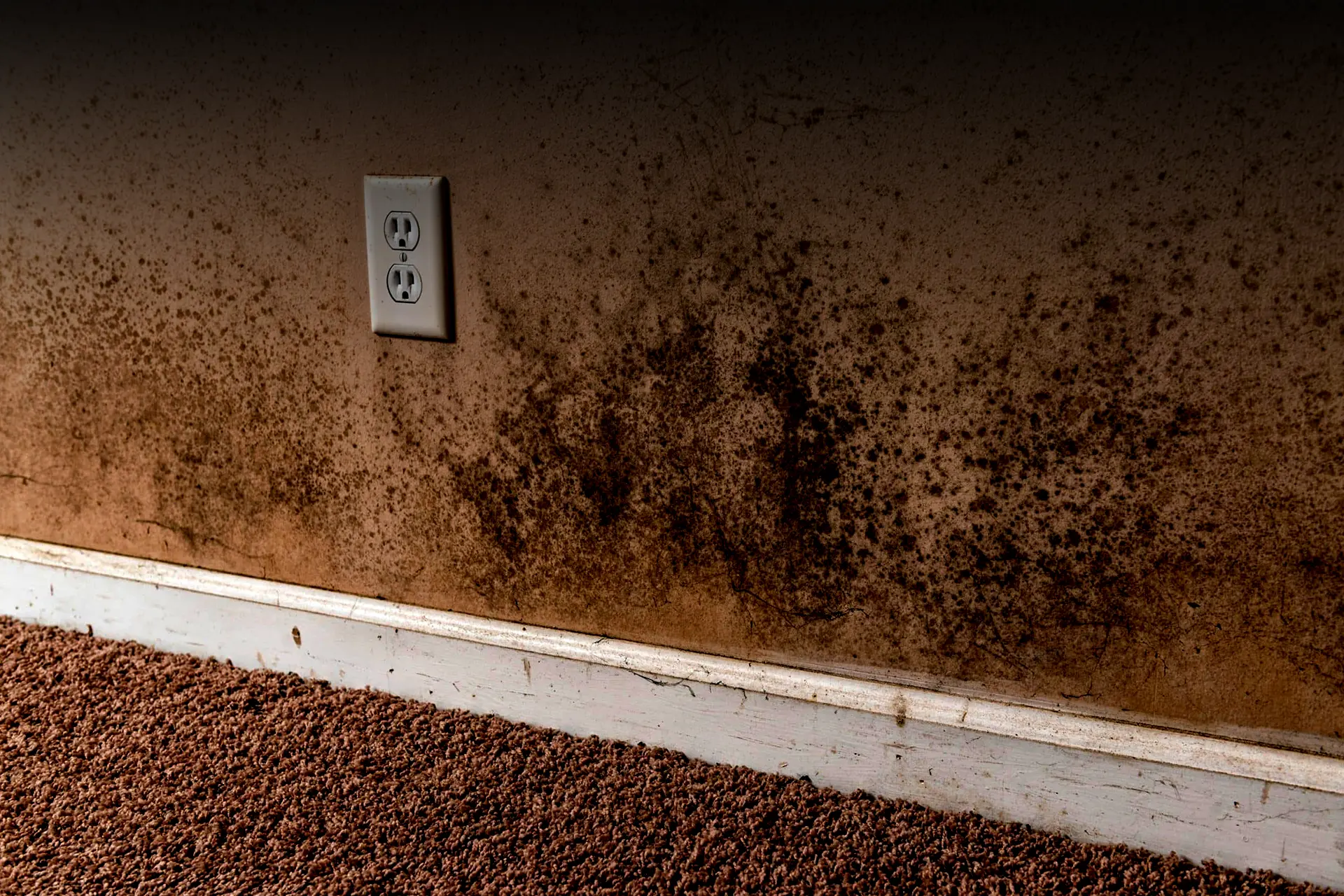
If you've been devastated by water, mold, fire, and/or smoke damage, know that your cherished possessions, your home or business, can all be restored to pre-damage condition; bringing back your peace of mind.
Whether water, mold, fire, or smoke causes damage to your home or business, the effects are heartbreaking and often life-changing. We at All Clean Restoration understand the devastation and pain these events can cause. We also understand that quick and proper action is crucial to prevent further damage, red tape, and cost.
Call us any time, day or night:
1-800-4223944
Related Topics:
Water damage repair is not a single task — it is a process. A process that, when done correctly and completely, takes your property from a flooded, soaked, or structurally compromised state back to its pre-loss condition: dry, clean, safe, and fully functional. Understanding the full scope of what professional water damage repair involves helps property owners in Southern Illinois and St. Louis, Missouri make informed decisions in a stressful situation and set realistic expectations for what it takes to truly restore a home or business.
All Clean Restoration has been guiding property owners through that process for more than 45 years — from the moment of initial emergency response through the final walk-through of a fully restored property. This article outlines what that process looks like, from start to finish.
Phase 1: Emergency Response and Assessment
Water damage repair begins the moment you call All Clean Restoration. The emergency response team arrives within 30 minutes, 24 hours a day, 7 days a week. The first actions on-site are safety-related: identifying and addressing any electrical hazards from water near power sources, determining whether the water source has been controlled, and assessing whether any structural areas of the property are unsafe to enter.
With safety confirmed, the damage assessment begins. All Clean Restoration uses thermal imaging cameras to detect moisture behind walls, under flooring, and in ceiling cavities — areas that appear dry to visual inspection but harbor hidden moisture. Moisture meters provide quantitative readings of material moisture content. Together, these tools create a complete moisture map of the property, which serves as both a baseline for the remediation plan and documentation for the insurance claim.
Phase 2: Water Extraction
With the assessment complete, professional water extraction begins. Industrial extraction units remove standing water from floors, carpets, and hard surfaces. In basement and crawlspace situations, submersible pumps may be deployed for large volumes of standing water before extraction equipment is used. All Clean Restoration’s extraction equipment is capable of removing hundreds of gallons per hour, ensuring that the property transitions from active flooding to initial drying as quickly as possible.
Carpet and flooring assemblies are assessed at this stage. In many cases, carpet can be saved through proper extraction, drying, and antimicrobial treatment. Carpet padding, however, has a much lower salvage rate and typically requires removal and replacement. Hardwood flooring presents a more complex situation, and All Clean Restoration’s Pro Drying Services include specialized hardwood floor drying systems that can often save wood floors that would otherwise require replacement.
Phase 3: Structural Drying
After extraction, materials that have absorbed water must be dried. This is achieved through a combination of high-velocity air movers and industrial dehumidifiers deployed strategically throughout the affected area. For water that has entered wall cavities, specialized equipment can be introduced through small access holes to dry the cavity without full wall demolition — a significant savings in both time and cost.
Structural drying typically takes 3 to 5 days for most residential water damage events, with daily monitoring and adjustment of equipment placement and quantity to optimize the drying curve. All Clean Restoration technicians document moisture readings throughout this phase, providing a complete record of the drying progress. Drying is not considered complete until all affected materials reach their target moisture content — not when the property feels or looks dry.
Phase 4: Mold Prevention and Antimicrobial Treatment
Even when water is extracted promptly and drying begins quickly, affected materials are treated with EPA-registered antimicrobial agents to inhibit mold growth. In cases where water damage was not discovered immediately or where the event involved gray or black water, more aggressive mold prevention — and potentially mold remediation — measures are required. All Clean Restoration’s team is equipped and trained for full mold remediation as an integrated service, ensuring that mold does not become a secondary problem that emerges weeks after the water damage event appears resolved.
Phase 5: Demolition and Content Management
In more significant water damage events, some demolition of irreparably damaged materials is necessary — removing saturated drywall, soaked insulation, deteriorated flooring, or water-damaged cabinetry. All Clean Restoration handles this work with care, removing only what is necessary and preserving as much of the structure and finishes as possible. Affected contents — furniture, personal belongings, electronics, documents — are assessed, documented, and treated according to their individual salvageability. All Clean Restoration’s content management process includes on-site treatment for salvageable items and proper handling of those that cannot be restored.
Phase 6: Full Reconstruction and Restoration
The final phase of water damage repair is reconstruction: restoring the property to its pre-loss condition through new drywall installation, painting, flooring replacement or restoration, cabinet and millwork repair or replacement, and any other structural or finish work required. All Clean Restoration provides complete reconstruction services — making them a true single-source solution for the entire water damage event from emergency extraction through the final nail and coat of paint.
This complete-service model is particularly valuable for insurance claims. Having a single provider document and manage all phases of the loss — from extraction through reconstruction — simplifies the claims process, reduces the risk of gaps in documentation, and accelerates the timeline from loss to resolution.
📞 Illinois: 618-235-3202 | Missouri: 314-454-0442 | allcleanrestoration.com Full-Service Water Damage Repair — IICRC Certified — Insurance Claim Assistance
Recent Blog Articles:

Water Remediation vs. Water Removal: Understanding What Your Property Actually Needs

The Hidden Danger: Why Water Damage Almost Always Leads to Mold

How to Choose a Water Damage Restoration Company in Southern Illinois and St. Louis

Vacation Proof Your Home: The 5 Secret Water Damage Triggers You’re Forgetting
All Clean Restoration's Other Services
Whether water, mold, fire, or smoke causes damage to your home or business, the effects are heartbreaking and often life-changing. We at All Clean Restoration understand the devastation and pain these events can cause. We also understand that quick and proper action is crucial to prevent further damage, red tape, and cost.

Licensed | Bonded | Insured