LICENSED | BONDED | INSURED
618-235-3202
Water Remediation vs. Water Removal: Understanding What Your Property Actually Needs

If you've been devastated by water, mold, fire, and/or smoke damage, know that your cherished possessions, your home or business, can all be restored to pre-damage condition; bringing back your peace of mind.
Whether water, mold, fire, or smoke causes damage to your home or business, the effects are heartbreaking and often life-changing. We at All Clean Restoration understand the devastation and pain these events can cause. We also understand that quick and proper action is crucial to prevent further damage, red tape, and cost.
Call us any time, day or night:
1-800-4223944
Related Topics:
When water damage occurs, most people’s first thought is simply to get the water out. And water removal — extraction of standing and surface water — is certainly the critical first action. But water removal alone does not constitute complete water remediation, and understanding the difference between these two concepts is important for any property owner facing a water damage event.
All Clean Restoration provides comprehensive water remediation services throughout Southern Illinois and the St. Louis metro area — a complete, science-based process that goes far beyond simply removing the visible water. Understanding what full remediation involves helps property owners make informed decisions and set appropriate expectations for what it takes to truly restore a water-damaged property to a safe, healthy, pre-loss condition.
Water Removal: What It Is and What It Isn’t
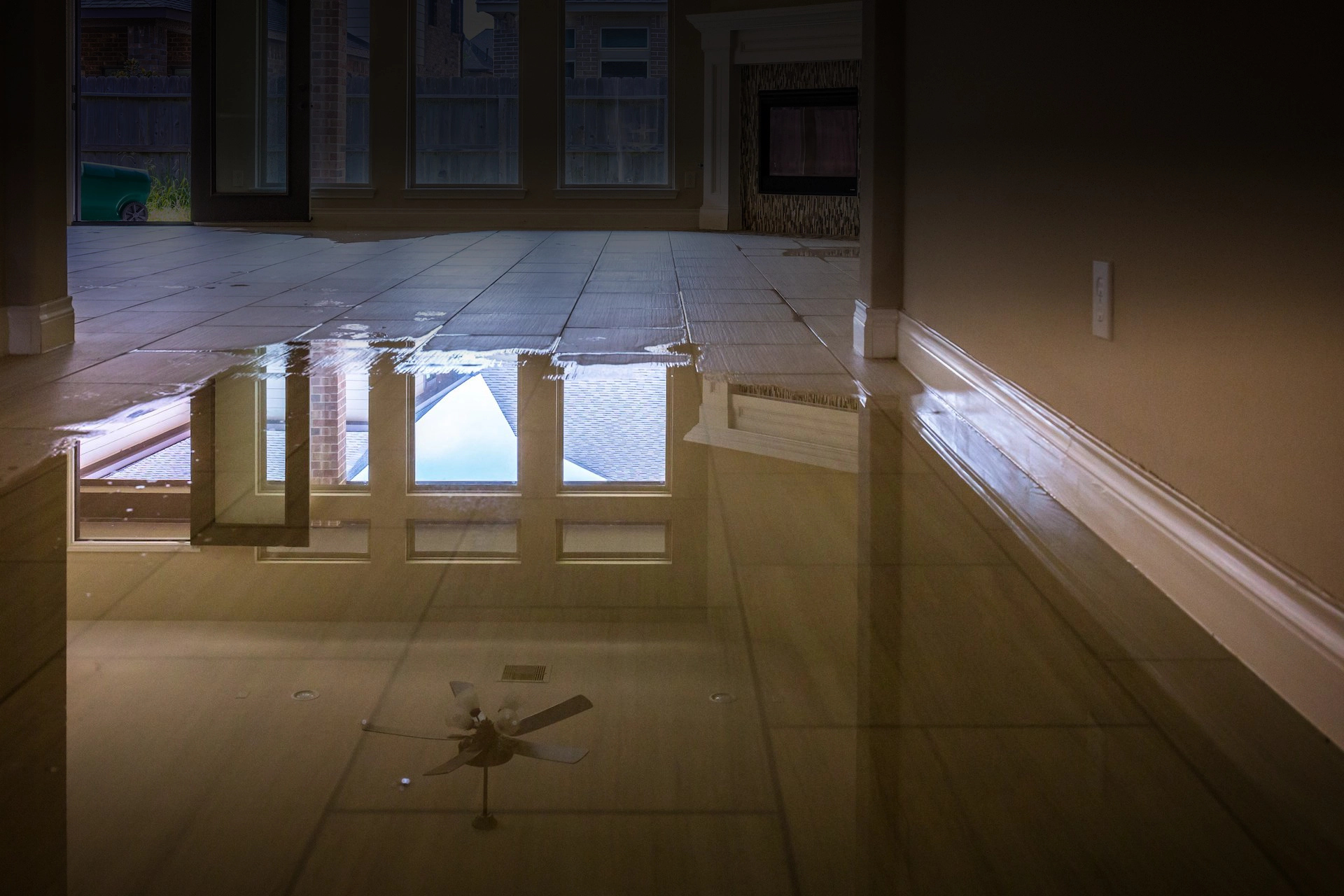
Water removal — also called water extraction — is the process of physically removing water from a property using pumps and extraction equipment. It addresses standing water in basements and on floors, water that has pooled in carpet and padding, and in some cases, water that has entered crawlspaces or other sub-floor areas. Water removal is urgently necessary and time-critical: the faster standing water is removed, the less it spreads and the less material damage it causes.
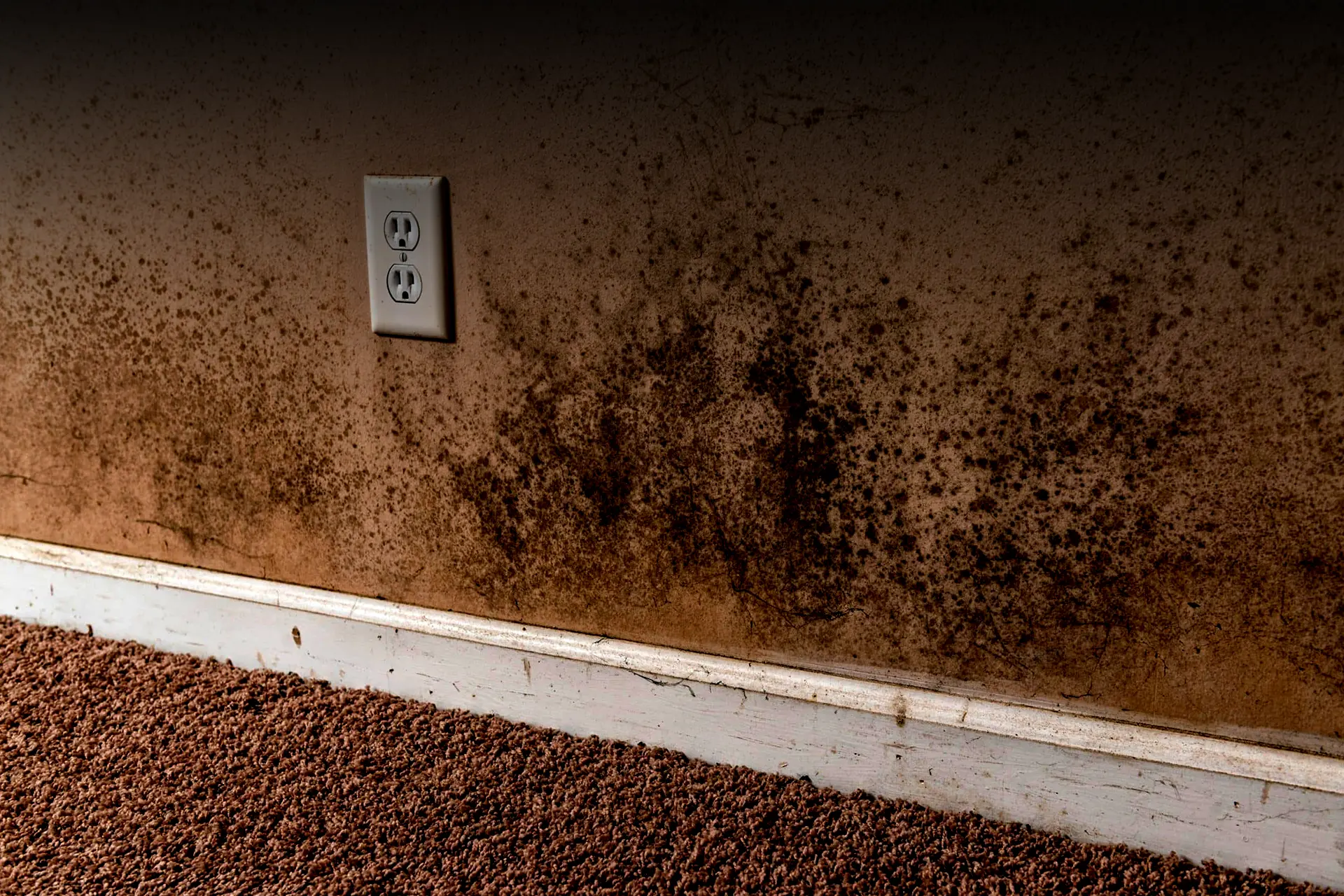
But water removal does not address the moisture that has been absorbed into structural materials. Drywall, wood framing, subfloor, concrete, insulation, and cabinetry all absorb water during a flooding event — and that absorbed moisture remains in the materials after standing water has been extracted. It is this absorbed moisture that drives the ongoing damage: structural degradation, mold growth, and the progressive deterioration of building components that turns a manageable water damage event into a major restoration project.
Water Remediation: The Complete Process
Water remediation encompasses the full scope of work required to restore a water-damaged property to a safe, dry, healthy condition. It includes water removal as its first phase, but extends through structural drying, moisture verification, mold prevention, material assessment and demolition where necessary, contents management, and ultimately, full restoration of the property to its pre-loss condition.
The structural drying phase of water remediation is where the most technically demanding work occurs. Industrial air movers are strategically placed to maximize evaporation from wet surfaces and cavities. Industrial dehumidifiers capture the resulting moisture-laden air and remove the water from it, preventing it from condensing on cooler surfaces. Moisture meters and psychrometric calculations are used to monitor the drying process daily and adjust equipment placement and quantity to optimize the drying curve. In professional remediation, the drying process is not considered complete when the property feels or looks dry — it is complete when moisture meter readings confirm that all affected materials have returned to their target moisture content.
The Science Behind Effective Drying
Effective structural drying is a science, not an art. The principles involved are well-established in the field of building science and are codified in the standards published by the IICRC — the Institute of Inspection Cleaning and Restoration Certification, the credentialing body whose certification All Clean Restoration’s technicians hold. The IICRC S500 Standard and Reference Guide for Professional Water Damage Restoration defines the technical standards for water damage remediation, including drying goals, equipment selection, monitoring protocols, and documentation requirements.
Professional remediators understand concepts like vapor pressure differentials — the physics that drives moisture from wet materials into the surrounding air — and how to manipulate temperature, airflow, and dehumidification to optimize those differentials and accelerate drying. They understand psychrometric relationships — the interplay between temperature, relative humidity, and the moisture-holding capacity of air — and use psychrometric calculations to ensure that the drying environment remains optimal throughout the drying process.
This technical foundation is what distinguishes professional remediation from the consumer approach of pointing fans at wet floors and hoping for the best. IICRC-certified technicians like those at All Clean Restoration apply scientific principles and verified monitoring to achieve reliable, measurable drying outcomes.
When Remediation Must Include Demolition
In some cases, full water remediation requires the removal of materials that cannot be effectively dried or that have been irreparably damaged. Drywall that has been saturated for an extended period becomes structurally compromised and develops mold on its paper facing — it cannot be reliably dried and must be removed. Insulation that has been saturated retains moisture for far longer than structural materials and creates an ongoing mold risk even after other materials have dried. Floor coverings — particularly carpet and carpet padding — may need to be removed to allow adequate drying of the subfloor below.
These demolition decisions are made based on objective assessment of moisture levels and material condition — not as a default. All Clean Restoration’s approach is to save as much of the original structure and finishes as possible while removing only what cannot be reliably restored to a healthy condition.
From Remediation to Restoration
Complete water remediation ends with the property restored to its pre-loss condition. All Clean Restoration provides full reconstruction services following water remediation — replacing drywall, installing new insulation, restoring flooring, repairing or replacing cabinetry, and completing all finish work required to return the property to normal. This single-source model ensures continuity from the emergency event through final restoration and simplifies the insurance claims process.
📞 Illinois: 618-235-3202 | Missouri: 314-454-0442 | allcleanrestoration.com Complete Water Remediation — IICRC Certified — Full Restoration Services — Free Estimates
Recent Blog Articles:

Water Damage Under Your Cabinets, and How Pro Drying Saves Them

Can You Live in Your House During Mold Remediation?

Slab Leaks: The Hidden Water Damage Under Your Floor

How Long Does Water Damage Restoration Take?
All Clean Restoration's Other Services
Whether water, mold, fire, or smoke causes damage to your home or business, the effects are heartbreaking and often life-changing. We at All Clean Restoration understand the devastation and pain these events can cause. We also understand that quick and proper action is crucial to prevent further damage, red tape, and cost.

Licensed | Bonded | Insured