LICENSED | BONDED | INSURED
618-235-3202
Water Removal: The Critical First Step After a Flood or Leak

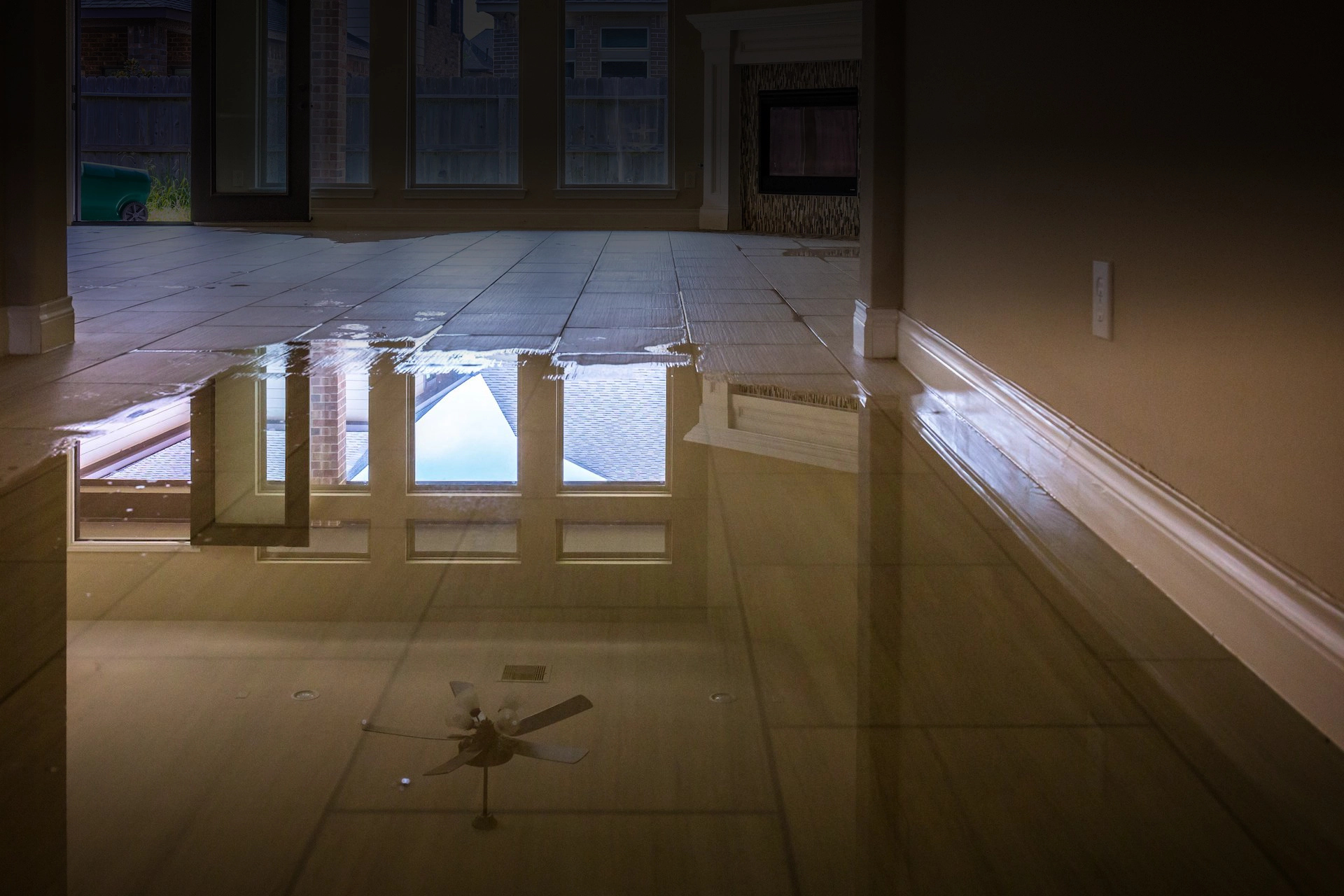
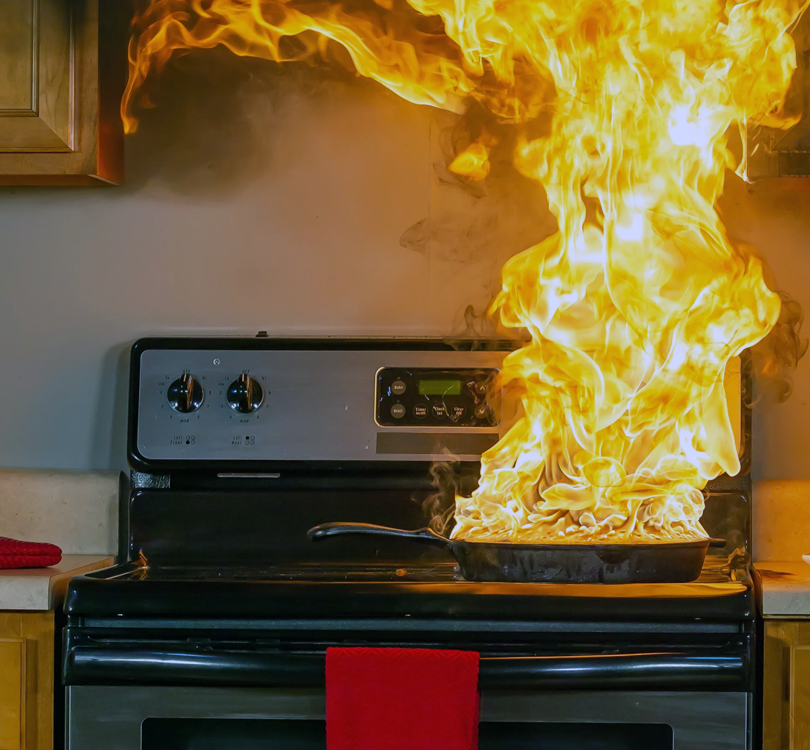
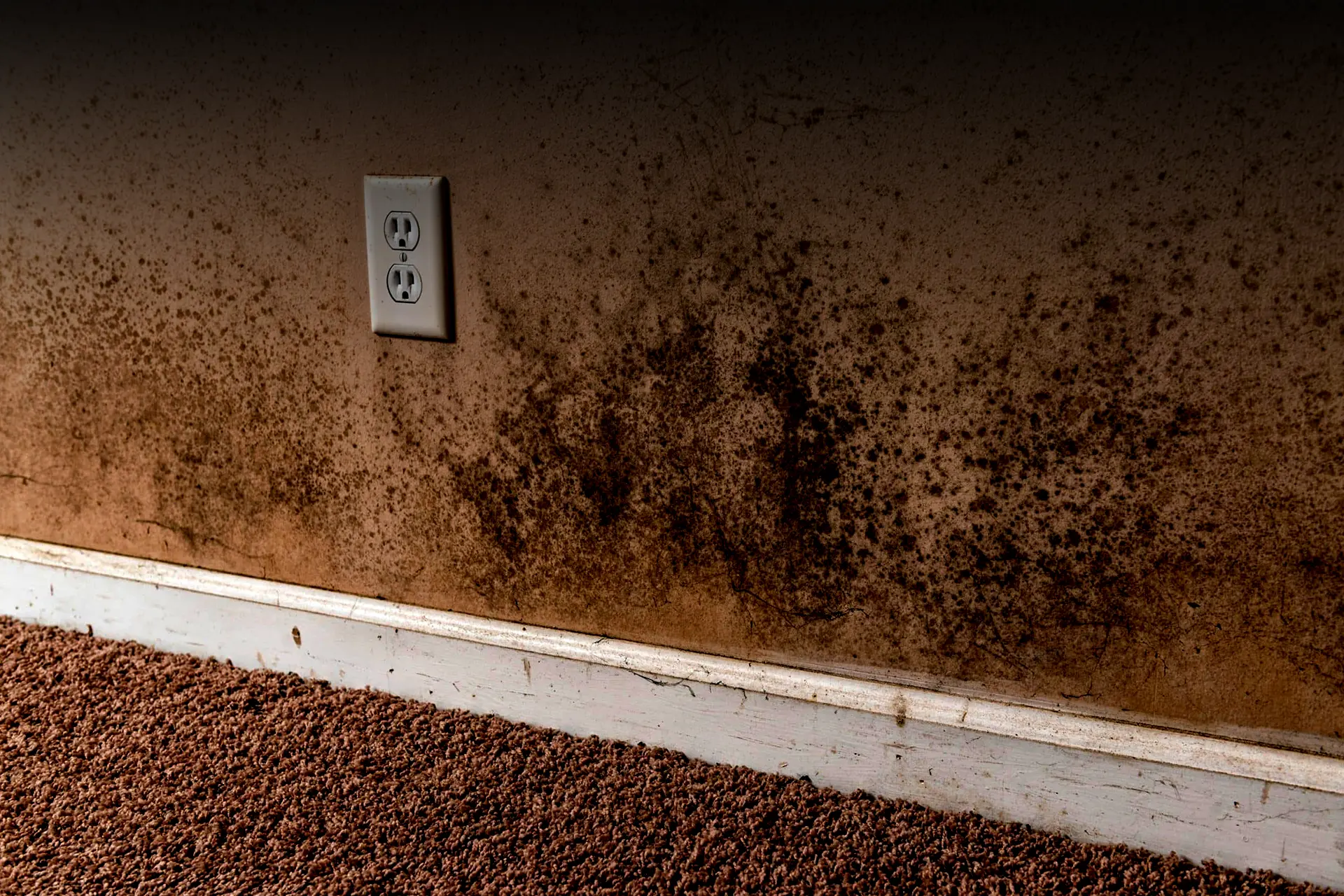
If you've been devastated by water, mold, fire, and/or smoke damage, know that your cherished possessions, your home or business, can all be restored to pre-damage condition; bringing back your peace of mind.
Whether water, mold, fire, or smoke causes damage to your home or business, the effects are heartbreaking and often life-changing. We at All Clean Restoration understand the devastation and pain these events can cause. We also understand that quick and proper action is crucial to prevent further damage, red tape, and cost.
Call us any time, day or night:
1-800-4223944
Related Topics:
When water invades your home, your instincts may tell you to start moving furniture, grabbing towels, or calling your insurance agent. These are all understandable responses — but none of them address the most urgent priority: removing the standing water from your property as quickly and completely as possible.
Professional water removal is the single most important action you can take in the aftermath of a water damage event. The speed and thoroughness of extraction directly determines how much of your property can be saved, how much structural damage accumulates, and whether mold becomes a secondary problem you’ll have to contend with. For homeowners and businesses in Southern Illinois and the St. Louis metro area, All Clean Restoration has been the trusted name for fast, professional water removal for more than 45 years.
What Professional Water Removal Actually Involves
There is a significant difference between removing the water you can see and removing all the water that is present. Standing water — a flooded basement, a soaked living room after a pipe burst, inches of water in a crawlspace — is the visible part of the problem. But water that has wicked into drywall, soaked into carpet padding, migrated beneath flooring, or entered wall cavities is invisible to the naked eye and represents a far greater long-term threat.
Professional water removal begins with a complete assessment using thermal imaging cameras and calibrated moisture meters to map the full extent of moisture intrusion — including areas that show no visible signs of wetness. This is a critical step that distinguishes professional restoration from an amateur cleanup effort. Once the full scope is understood, extraction begins.
All Clean Restoration deploys truck-mounted and portable water extraction units capable of removing hundreds of gallons of water per hour. These are not consumer wet-vacs — they are industrial extraction systems designed to pull water not just from surfaces but from within flooring assemblies and building cavities. Carpet and carpet padding are assessed for salvageability; in many cases, carpet can be extracted, dried, and reinstalled, but padding almost always requires replacement.
Extraction Is Only the Beginning
Once standing and surface water is removed, the property enters the structural drying phase — arguably the most important and most technically demanding stage of water damage restoration. Even after complete extraction, materials like hardwood flooring, wood framing, drywall, insulation, and concrete retain significant moisture that must be driven out through a controlled drying process.
All Clean Restoration’s drying systems use high-velocity air movers strategically placed to maximize evaporation from wet surfaces and materials, industrial dehumidifiers to capture the moisture as it evaporates and prevent it from re-condensing on cool surfaces, and in some cases, specialized drying systems for specific applications including hardwood floors, wall cavities, and cabinets. The drying process is monitored daily using moisture meters and psychrometric calculations to ensure that materials are drying on schedule and that the drying environment remains optimal.
Why DIY Water Removal Falls Short
Consumer-grade wet vacuums and portable fans are far better than nothing — but they are inadequate for any significant water damage event. A home wet-vac typically removes water at a fraction of the capacity of professional extraction equipment, meaning water sits in your property for much longer, continuing to wick into materials and providing time for mold to begin. Consumer dehumidifiers remove moisture from air at a fraction of the rate of professional-grade equipment, leaving structural materials wet for days or weeks rather than the 3-to-5 day drying timelines achievable with professional systems.
Perhaps most critically, DIY water removal almost always misses the hidden moisture. Water that has entered wall cavities, migrated under flooring, or saturated insulation will not be detected without professional moisture-mapping equipment — and that hidden moisture is exactly where mold takes hold and structural damage silently accumulates.
Water Removal for Both Residential and Commercial Properties
All Clean Restoration provides water extraction and removal services for both residential homes and commercial properties throughout Southern Illinois and the St. Louis metro area. Commercial water damage creates unique challenges: business interruption, liability concerns, specialized flooring and finishes, HVAC systems, server rooms and electronics, and the logistical complexity of working in occupied or sensitive spaces. All Clean Restoration’s experienced team is equipped and trained to manage commercial water removal with the efficiency and discretion that business owners require.
Whether it’s a flooded office building in Belleville, a water-damaged retail space in O’Fallon, a soaked restaurant kitchen in Edwardsville, or a residential basement in Alton, All Clean Restoration responds 24 hours a day, 7 days a week, with a 30-minute response time guarantee.
Working With Your Insurance
Professional water removal is almost always covered by homeowner’s and commercial property insurance — provided you can demonstrate that you took prompt, appropriate steps to mitigate the damage. All Clean Restoration documents every aspect of the water removal and drying process with photographs, moisture readings, and written reports, providing your insurance company with the complete evidence they need to process your claim quickly and fairly. All Clean Restoration works directly with insurance carriers, adjusters, and agents throughout the Illinois and Missouri market.
📞 Illinois: 618-235-3202 | Missouri: 314-454-0442 | allcleanrestoration.com 24/7 Emergency Water Removal — 30-Minute Response — Free Estimates
Recent Blog Articles:

Water Remediation vs. Water Removal: Understanding What Your Property Actually Needs

The Hidden Danger: Why Water Damage Almost Always Leads to Mold

How to Choose a Water Damage Restoration Company in Southern Illinois and St. Louis

Vacation Proof Your Home: The 5 Secret Water Damage Triggers You’re Forgetting
All Clean Restoration's Other Services
Whether water, mold, fire, or smoke causes damage to your home or business, the effects are heartbreaking and often life-changing. We at All Clean Restoration understand the devastation and pain these events can cause. We also understand that quick and proper action is crucial to prevent further damage, red tape, and cost.

Licensed | Bonded | Insured