LICENSED | BONDED | INSURED
618-235-3202
Wet Carpet After a Flood or Leak: Can It Be Saved?

If you've been devastated by water, mold, fire, and/or smoke damage, know that your cherished possessions, your home or business, can all be restored to pre-damage condition; bringing back your peace of mind.
Whether water, mold, fire, or smoke causes damage to your home or business, the effects are heartbreaking and often life-changing. We at All Clean Restoration understand the devastation and pain these events can cause. We also understand that quick and proper action is crucial to prevent further damage, red tape, and cost.
Call us any time, day or night:
1-800-4223944
Related Topics:
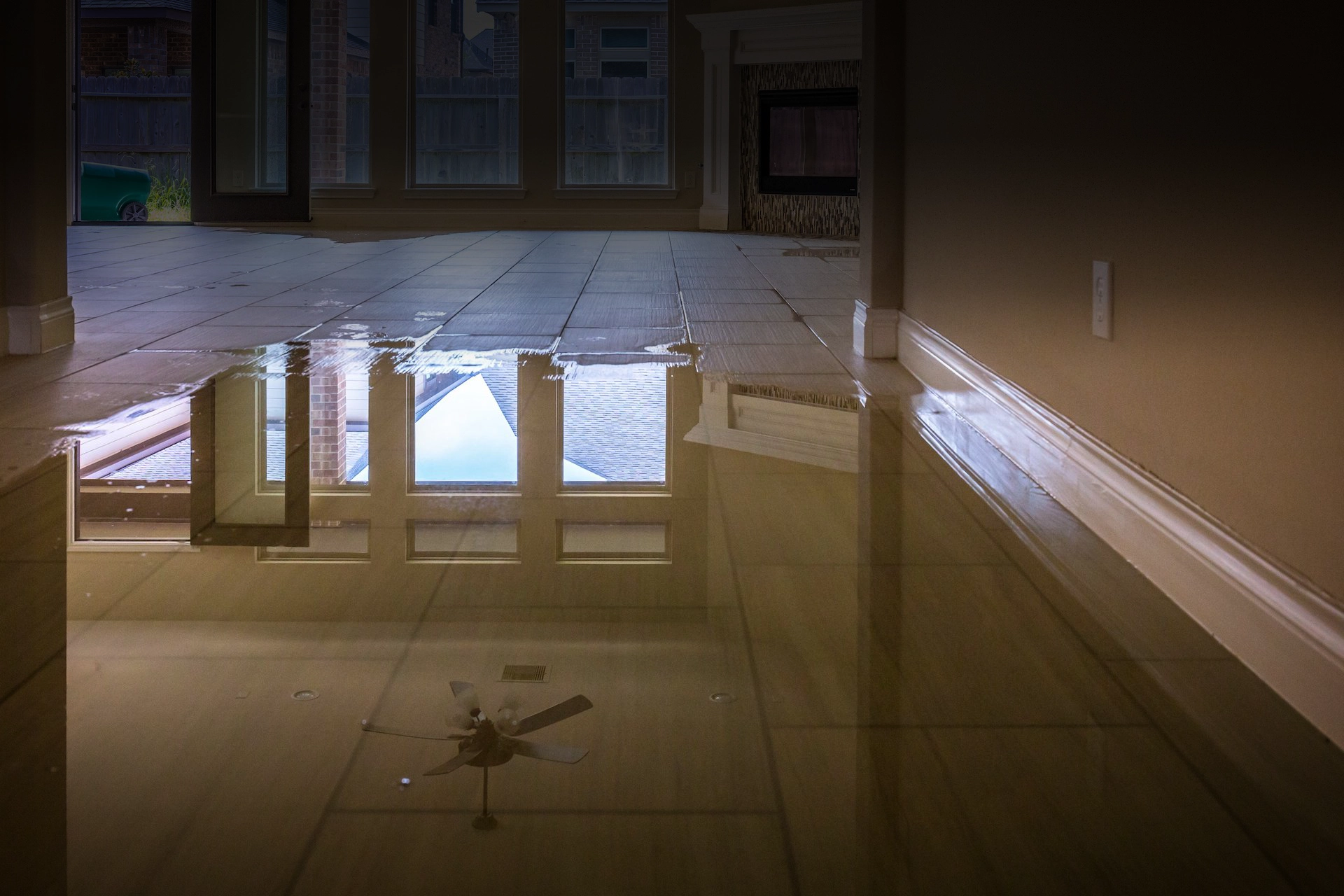
You stepped onto the living room carpet and your sock came up soaked. Maybe a pipe let go, maybe the basement took on water. Now you’re standing on a wet rug wondering whether to dry it, tear it out, or just wait and see.
Here’s the rule that decides it. Wet carpet can often be saved if the water was clean and drying starts within 24 to 48 hours. Past that window, or with contaminated water, the carpet and padding usually have to go. All Clean Restoration dries carpet fast across Belleville and the St. Louis Metro.
Can Wet Carpet Be Saved?
It depends on two things: the type of water and how fast you act. Both matter.
- Clean water, dried fast — carpet is often salvageable.
- Clean water, left for days — mold sets in and saving it gets harder.
- Gray or black water — carpet and padding are contaminated and should be removed.
The IICRC S500 standard draws these lines by water category. Clean water gives you options. Contaminated water rarely does.
Why Does the 24-to-48-Hour Window Matter So Much?
Because mold needs only a day or two to start. Wet carpet is a perfect host — warm, dark, and full of organic material.
The EPA is direct: wet materials should be dried within 24 to 48 hours to prevent mold. Miss that window and the carpet isn’t just wet — it’s a growing problem. Waiting is what turns a savable rug into a tear-out.
What About the Padding Underneath?
The padding is usually the bigger problem. It’s thicker, holds far more water, and dries much slower than the carpet itself.
Even when the carpet can be saved, the padding often can’t. In many jobs we save the carpet, replace the padding, and dry the subfloor beneath. Trying to dry carpet with soaked padding still under it is why DIY attempts so often fail — and why DIY water cleanup so often leads to mold.
Why Not Just Use Fans and a Shop Vac?
Because household tools don’t reach the water that matters. A shop vac pulls surface water; fans dry the top of the fibers. Neither dries the padding or the subfloor.
The water left behind keeps the whole area damp and feeds mold from underneath. Real drying pulls moisture from every layer — carpet, padding, and the floor below.
How Does Professional Carpet Drying Work?
This is what our carpet and rug drying service is built to do. We dry all the layers, not just the surface.
- Extract the water with truck-mounted equipment that pulls it from deep in the fibers.
- Lift or float the carpet to reach the padding and subfloor.
- Assess the padding — save it or replace it based on the water and the soak.
- Run air movers and dehumidifiers to dry every layer.
- Verify with moisture readings before we call it done.
- Treat for mold and odor if needed.
For rugs and higher-value pieces, we can dry them off-site with controlled airflow and humidity.
We help homeowners save their floors across the Metro East and St. Louis, from Granite City to Fairview Heights. See the service area or get help now.
Wet carpet has a clock on it. Call before the window closes. All Clean Restoration extracts, dries, and verifies so your carpet has the best shot at being saved. A real person answers 24/7, every day of the year — weekends and holidays included. Licensed. Bonded. Insured. IICRC-certified. BBB A+. Serving Southern Illinois and the St. Louis Metro since 1981. Illinois: 618-235-3202 · Missouri: 314-454-0442 · Se Habla Español: 618-792-3633
Recent Blog Articles:

Storm Damage and Water in Your Home: What to Do When the Weather Wins

Water in Your Walls: The Silent Destroyer You Can’t Afford to Ignore

Water Damage in Your Attic: Signs, Causes, and What to Do

Water Remediation vs. Water Removal: Understanding What Your Property Actually Needs
All Clean Restoration's Other Services
Whether water, mold, fire, or smoke causes damage to your home or business, the effects are heartbreaking and often life-changing. We at All Clean Restoration understand the devastation and pain these events can cause. We also understand that quick and proper action is crucial to prevent further damage, red tape, and cost.

Licensed | Bonded | Insured