LICENSED | BONDED | INSURED
618-235-3202
What Is Water Damage — And Why Acting Fast Saves Thousands

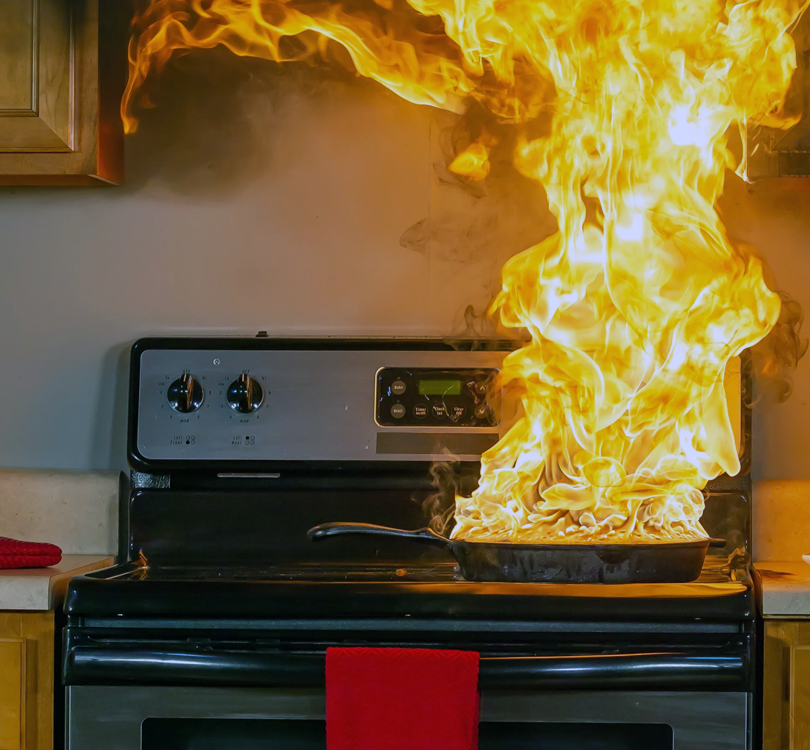
If you've been devastated by water, mold, fire, and/or smoke damage, know that your cherished possessions, your home or business, can all be restored to pre-damage condition; bringing back your peace of mind.
Whether water, mold, fire, or smoke causes damage to your home or business, the effects are heartbreaking and often life-changing. We at All Clean Restoration understand the devastation and pain these events can cause. We also understand that quick and proper action is crucial to prevent further damage, red tape, and cost.
Call us any time, day or night:
1-800-4223944
Related Topics:
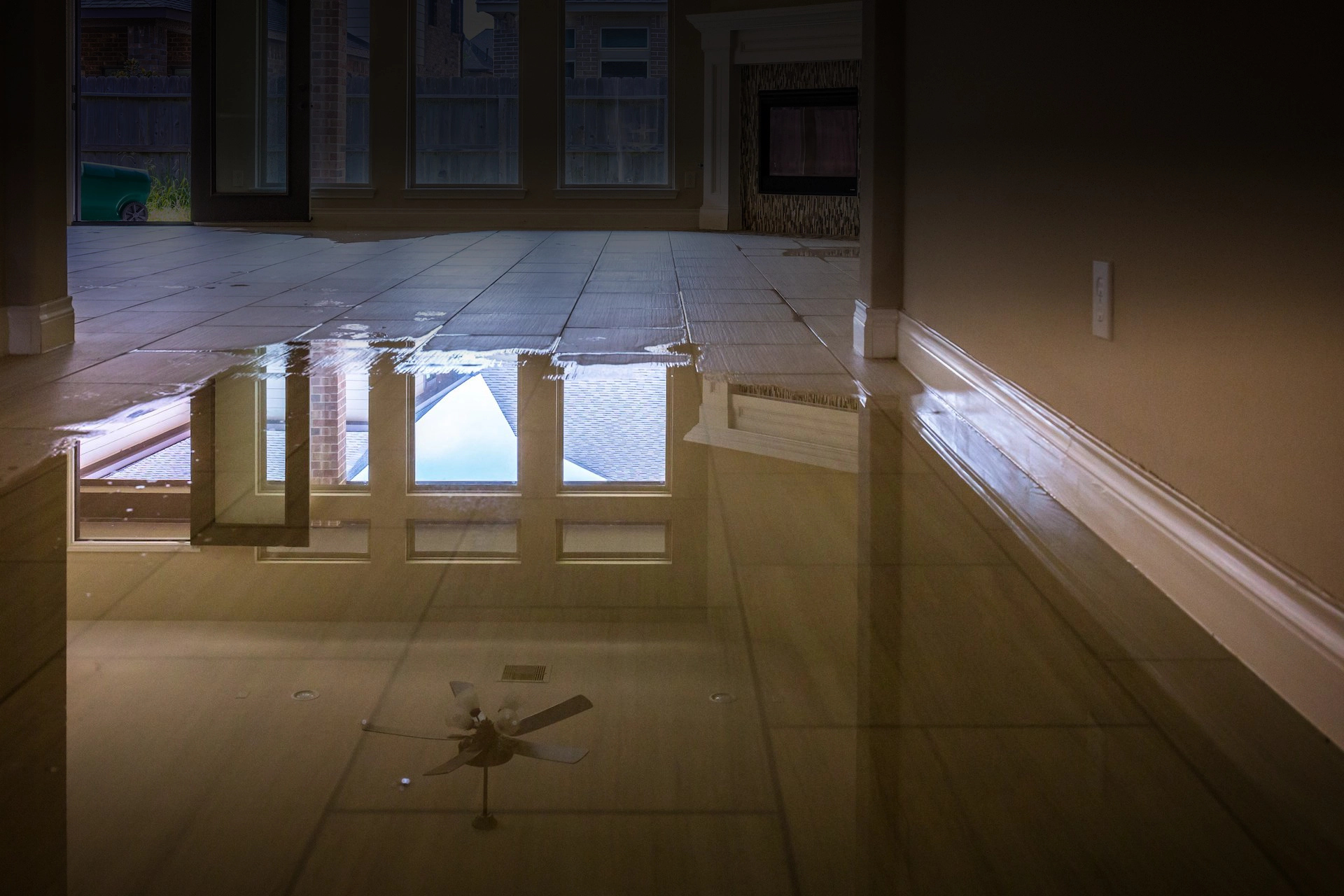
Water is essential to life, but inside your home or business, even a small amount of unwanted moisture can set off a chain reaction of destruction that, left unchecked, can cost tens of thousands of dollars to repair. Water damage is one of the most common and most costly property emergencies in the United States — and in the bi-state metro area of Southern Illinois and St. Louis, Missouri, where aging housing stock, heavy seasonal rains, and proximity to major river systems all contribute to the risk, it is a problem that thousands of homeowners and business owners face every year.
All Clean Restoration has been responding to water damage emergencies in this region since 1981. In more than four decades of service, one truth has remained constant: the faster you act, the less damage you sustain — and the lower your repair bill.
Defining Water Damage
Water damage is any damage to a property — structural materials, finishes, furnishings, or contents — caused by water entering areas where it doesn’t belong. It encompasses everything from a slow roof leak that saturates attic insulation over months to a burst pipe that floods a basement in minutes. The source matters, the volume matters, and the time elapsed before remediation begins matters most of all.
Insurance professionals categorize water damage events according to the source and cleanliness of the water involved. Category 1 damage involves clean water from a supply line, appliance, or rainfall. Category 2 involves gray water — water from washing machines, dishwashers, or toilet overflow with no solid waste — which carries biological contaminants. Category 3 involves black water: sewage, floodwater, or heavily contaminated water that poses serious health risks. Each category demands a different response, different safety protocols, and different remediation techniques.
How Fast Does Water Damage Spread?
Water does not wait. Within the first hour of a water intrusion event, water wicks through porous materials — drywall, insulation, carpet padding, wood subflooring — spreading far beyond the visible wet area. Within 24 hours, mold can begin to colonize saturated organic materials like drywall paper, wood framing, and carpet backing. Within 48 to 72 hours, mold becomes established and structural materials begin to weaken. Beyond that threshold, the damage is significantly more complex and costly to resolve.
According to ConsumerAffairs, 67% of homeowners who delayed mitigation or repair paid significantly more as a result. The cost difference between calling for emergency response within the first hour and waiting 24 to 48 hours can easily run into thousands of dollars — and that’s before accounting for the potential costs of mold remediation that becomes necessary when water damage is left untreated.
Common Causes of Water Damage in Illinois and Missouri Homes
Burst or leaking pipes are among the most frequent causes of sudden, severe water damage — particularly during the cold Illinois winters when exposed pipes freeze and rupture. Water heater failures, washing machine hose failures, and dishwasher leaks are also very common causes of interior flooding. Roof damage from hail, wind, or deteriorating flashing allows water to infiltrate attic and wall cavities over time. Storm sewer backups and sump pump failures are particular concerns in low-lying areas throughout the Metro East and St. Louis region. Basement flooding from groundwater intrusion during heavy rain is an annual problem for many homeowners near the Mississippi and Missouri river systems.
Whatever the source, the structural consequences are similar: water saturates materials that were never designed to stay wet, weakening them, promoting biological growth, and accelerating deterioration.
What Happens When Water Damage Goes Untreated
The most immediate consequences of untreated water damage are structural. Drywall loses its integrity within hours of saturation, swelling, crumbling, and eventually requiring replacement. Wood framing absorbs moisture and begins to soften, warp, and in prolonged exposure, rot. Floor systems — whether hardwood, engineered wood, or plywood subfloor — can buckle, delaminate, and eventually fail. Insulation becomes permanently degraded once wet, losing its thermal performance and becoming a reservoir for moisture and mold.
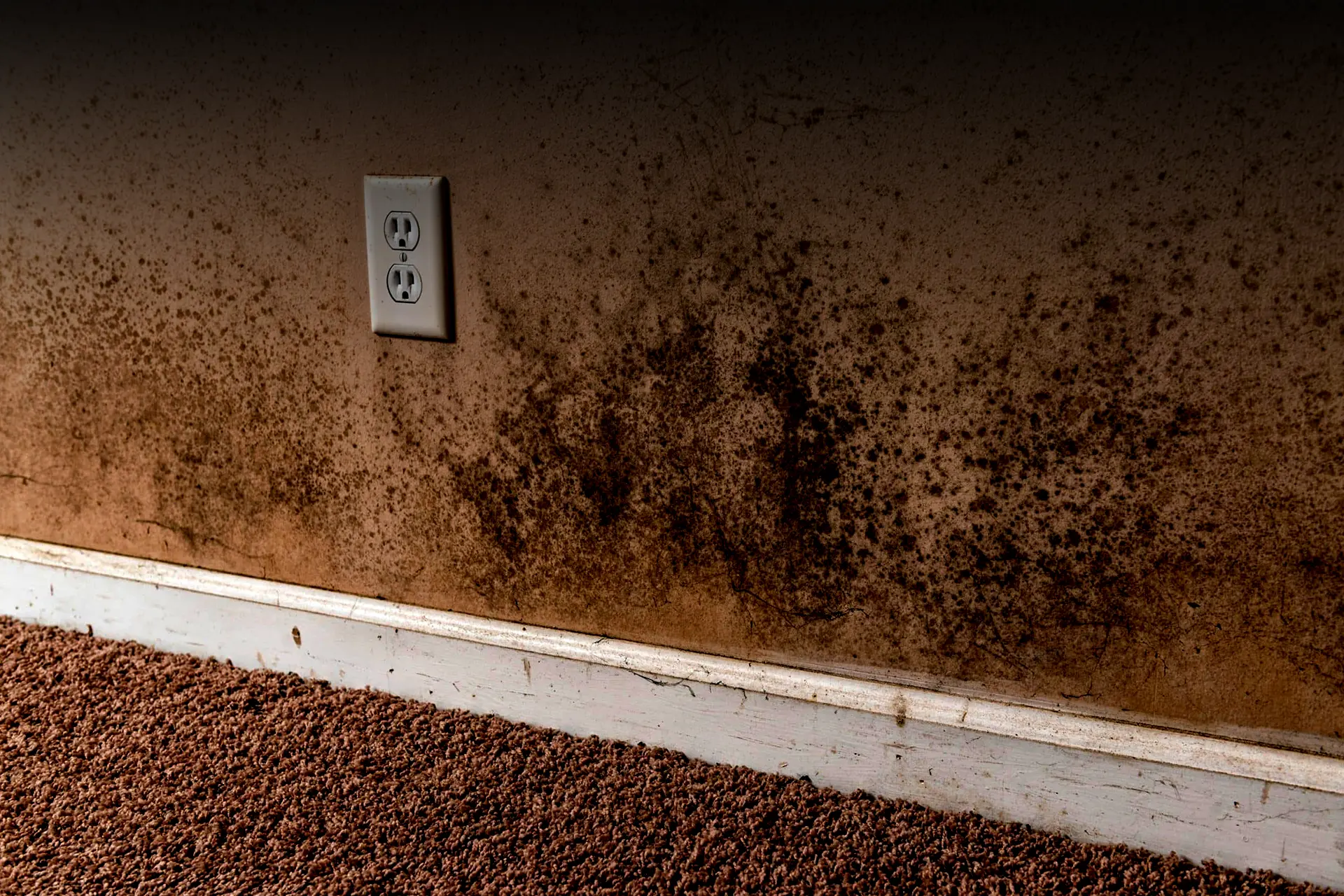
The biological consequences can be even more serious. Mold spores — which are present in every indoor environment — begin to germinate when they encounter moisture and an organic substrate. Once mold establishes itself in wall cavities, floor systems, or HVAC ductwork, it can spread throughout a building and create significant air quality and health issues. Research cited on the mold remediation literature indicates that 96% of people with chronic sinus infections are attributable to overexposure to mold — a striking statistic that underlines the health stakes of unresolved water damage.
The Right Response to Water Damage
When water damage occurs, the correct response begins with a single, immediate action: call a certified water damage restoration professional. All Clean Restoration operates 24 hours a day, 7 days a week, with a guaranteed 30-minute response time — because every minute without professional water extraction and drying equipment is a minute of continued, preventable damage.
All Clean Restoration’s technicians are IICRC-certified — meaning they hold the gold standard credential in the inspection, cleaning, and restoration industry. They arrive equipped with industrial-grade water extraction equipment, high-capacity air movers, dehumidifiers, thermal imaging cameras, and moisture meters to locate all affected areas, extract standing water, and begin the controlled drying process immediately.
📞 Illinois: 618-235-3202 | Missouri: 314-454-0442 | allcleanrestoration.com Available 24/7 — 30-Minute Response Time — Free Estimates — We Work With Your Insurance
Recent Blog Articles:

Is Water Around Your Foundation Destroying Your Home?

The Invisible Threat: Is Mold Hiding Inside Your Walls?

The Hidden Rot: Why Finding Wet Cabinets Is a Homeowner’s Emergency

Don’t Wait! 4 Hidden Dangers of Water Damage Under Your Carpet (And How to Save Your Home Today)
All Clean Restoration's Other Services
Whether water, mold, fire, or smoke causes damage to your home or business, the effects are heartbreaking and often life-changing. We at All Clean Restoration understand the devastation and pain these events can cause. We also understand that quick and proper action is crucial to prevent further damage, red tape, and cost.

Licensed | Bonded | Insured