LICENSED | BONDED | INSURED
618-235-3202
What Is Water Remediation — And Why It’s Not the Same as Just Drying Things Out

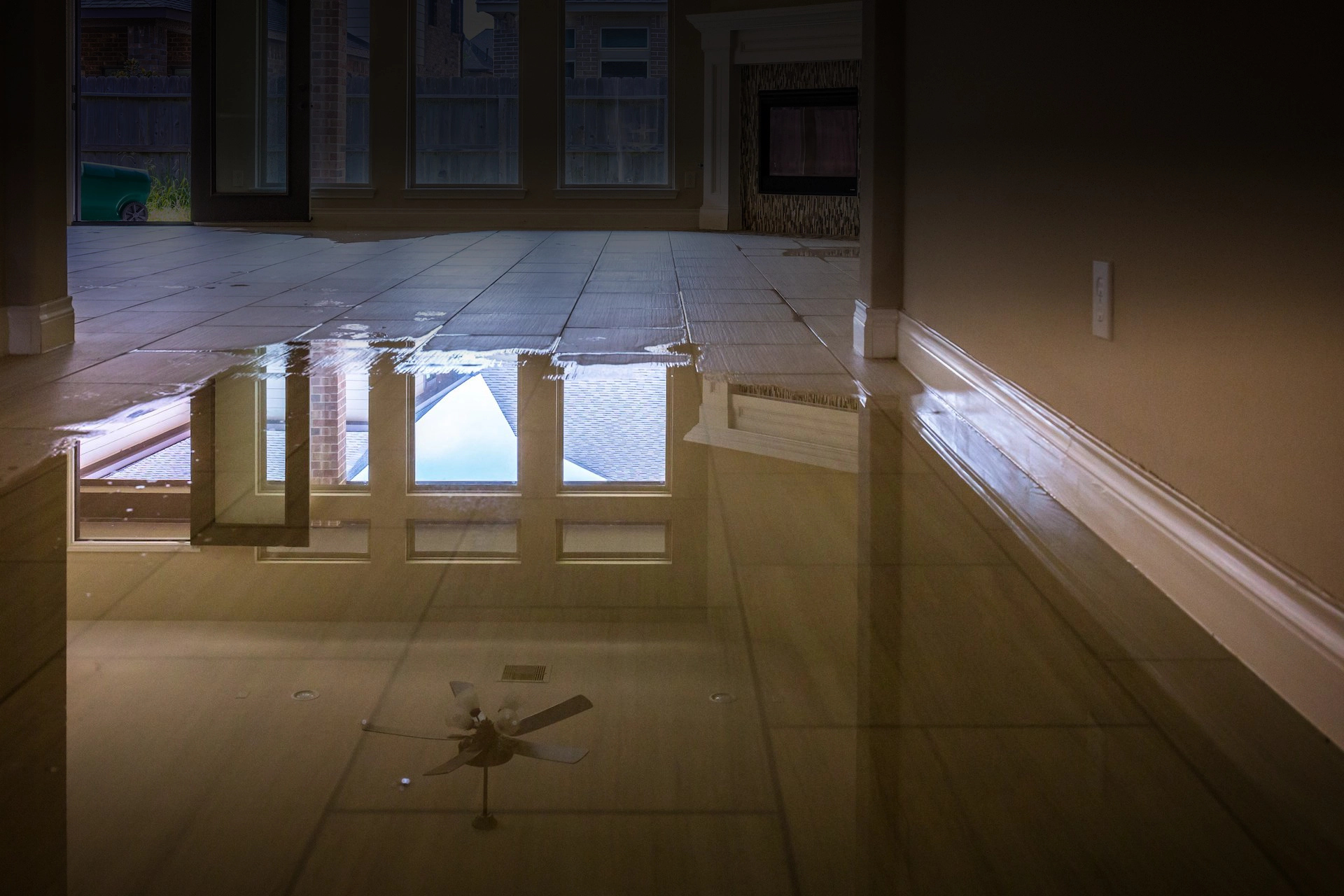
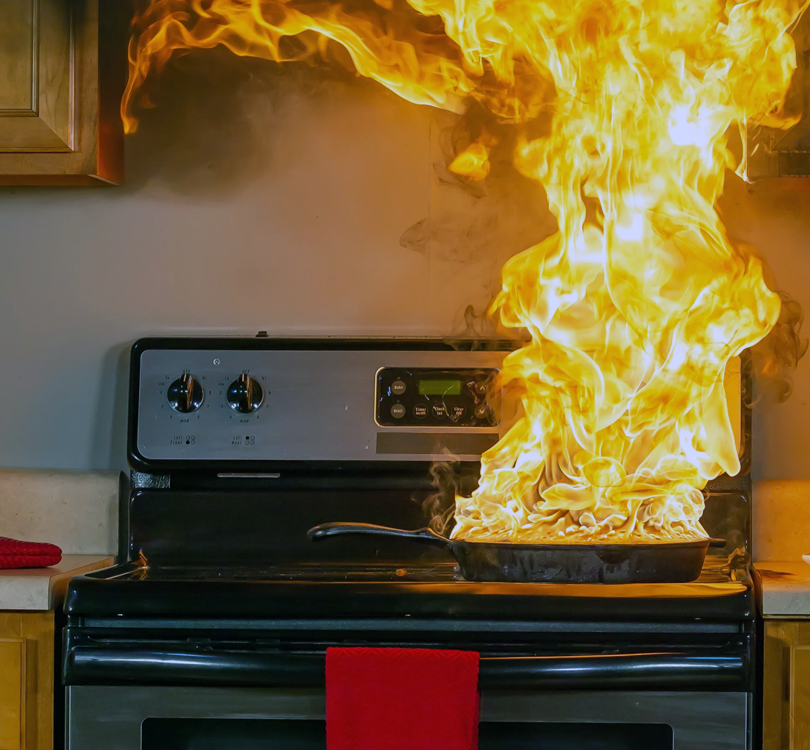
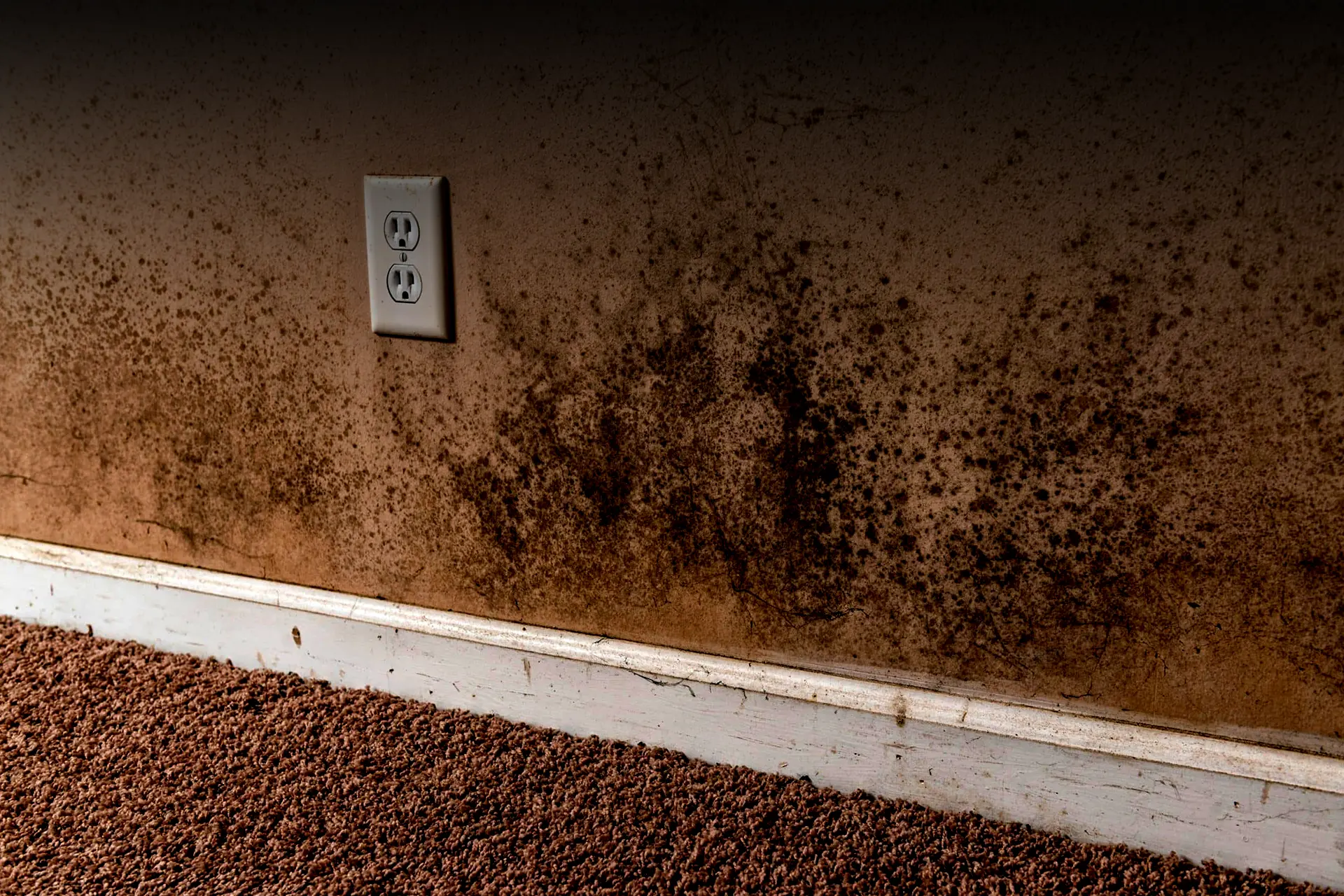
If you've been devastated by water, mold, fire, and/or smoke damage, know that your cherished possessions, your home or business, can all be restored to pre-damage condition; bringing back your peace of mind.
Whether water, mold, fire, or smoke causes damage to your home or business, the effects are heartbreaking and often life-changing. We at All Clean Restoration understand the devastation and pain these events can cause. We also understand that quick and proper action is crucial to prevent further damage, red tape, and cost.
Call us any time, day or night:
1-800-4223944
Related Topics:
If you’ve ever dealt with water damage — from a burst pipe, a flooded basement, or a leaking appliance — someone has probably told you they’d “dry everything out” and you’d be good to go. It sounds simple enough. But true water remediation is a science-based process that goes far beyond pointing a fan at wet carpet and hoping for the best.
At All Clean Restoration, we’ve been serving homeowners and businesses across Belleville, IL, St. Louis, and the Metro East region for more than 45 years. And in that time, we’ve seen what happens when water damage is treated superficially: hidden mold colonies, structural rot, compromised air quality, and insurance claims that balloon months after the initial incident. Understanding what water remediation actually means — and why cutting corners is so costly — can save you thousands of dollars and protect your family’s health.
Water Remediation Defined
The term water remediation refers to the complete professional process of addressing water damage from start to finish. This includes:
- Emergency water extraction — removing standing and trapped water as quickly as possible
- Structural drying — using industrial-grade drying equipment to remove moisture from walls, floors, ceilings, and cavities
- Moisture monitoring — tracking drying progress with calibrated meters and thermal imaging to verify hidden moisture is eliminated
- Antimicrobial treatment — applying EPA-registered antimicrobial agents to affected surfaces to prevent mold and bacterial growth
- Content management — salvaging, drying, and storing affected personal belongings
- Documentation — creating a complete damage and drying record for your insurance claim
This process is governed by industry standards set by the Institute of Inspection, Cleaning and Restoration Certification (IICRC), the leading authority in restoration industry education and certification. At All Clean Restoration, every technician works according to IICRC S500 Standard for Professional Water Damage Restoration — so you know the work is done to the highest standard.
Why “Just Drying Out” Isn’t Enough
Here’s what most homeowners don’t realize: water moves. It doesn’t simply pool on the floor and wait for you to soak it up. Within hours of a water event, moisture migrates into wall cavities, under flooring, into insulation, and through subfloor materials. The visible damage is almost always less than the actual damage.
When moisture is left behind — even in small amounts — the consequences compound quickly:
- Mold can begin growing in as little as 24–48 hours on wet porous materials (source: EPA)
- Wet drywall loses structural integrity within days and typically cannot be dried in place if it has been saturated
- Wood subfloors and structural members can warp, swell, and develop decay fungus if not dried to below 19% moisture content
- Odors from microbial growth and organic decomposition become deeply embedded and extremely difficult to eliminate after the fact
Professional water remediation doesn’t guess — it measures. At All Clean Restoration, we use thermal imaging cameras, pin and pinless moisture meters, and psychrometric calculations to map every square foot of moisture migration and verify, scientifically, that drying is complete before we close a job.
The Three Categories of Water — and Why They Matter
Not all water damage is created equal. The IICRC classifies water by its contamination level, which determines the scope of required remediation:
Category 1 — Clean Water: Originates from a sanitary source (broken supply line, overflowing sink with clean water). Lowest health risk, but still requires full drying and monitoring.
Category 2 — Gray Water: Contains significant contamination that can cause sickness if ingested or exposed to skin. Sources include washing machine overflow, toilet overflow with urine, and dishwasher backflow.
Category 3 — Black Water: Highly contaminated water carrying sewage, bacteria, chemicals, or flood water from external sources. Sewage backup cleanup at this level requires full PPE, containment, and professional disposal protocols.
Category 2 and 3 water intrusions are not DIY situations. They pose serious health risks — including exposure to E. coli, Hepatitis A, and other pathogens — and require the training, equipment, and EPA-registered antimicrobials that professional remediation companies like All Clean Restoration bring to every job.
The True Cost of Inadequate Water Remediation
According to data from the Insurance Information Institute, water damage is one of the most common homeowners’ insurance claims in the United States — and delayed or incomplete remediation is one of the most common reasons claims escalate. A ConsumerAffairs study found that 67% of homeowners who delayed mitigation or repair paid significantly more as a result.
The difference between a $3,000 remediation job and a $30,000 reconstruction is often nothing more than how quickly and thoroughly the water was addressed in the first 24–72 hours.
All Clean Restoration: Your Southern Illinois Water Remediation Experts
When you call All Clean Restoration at 618-235-3202, you’re not calling a national franchise. You’re calling a locally owned, family-operated business that has been serving the Belleville, IL and St. Louis Metro East community since 1981. We’re available 24/7, we answer live calls, and we’re on-site within 30 minutes — because water remediation is always a race against the clock.
We serve all of Southern Illinois and the St. Louis Metro area, including Belleville, Edwardsville, O’Fallon, Collinsville, Fairview Heights, and St. Louis, MO. Licensed, bonded, and insured. IICRC certified. BBB A+ rated.
Don’t let water damage become a mold problem. Contact us today for a free estimate.
Recent Blog Articles:

Mold Remediation or Removal – What is the Difference?

When DIY Water Damage Restoration Isn’t Enough: Why Call in the Professionals

Stay Ahead of Winter’s Fury: Essential Tips to Prevent Water Damage for Midwest Property Managers

Midwest Snow and Ice Storms Bring Water Damage
All Clean Restoration's Other Services
Whether water, mold, fire, or smoke causes damage to your home or business, the effects are heartbreaking and often life-changing. We at All Clean Restoration understand the devastation and pain these events can cause. We also understand that quick and proper action is crucial to prevent further damage, red tape, and cost.

Licensed | Bonded | Insured