LICENSED | BONDED | INSURED
618-235-3202
Why Indoor Mold Spreads Once the Heat Comes On

If you've been devastated by water, mold, fire, and/or smoke damage, know that your cherished possessions, your home or business, can all be restored to pre-damage condition; bringing back your peace of mind.
Whether water, mold, fire, or smoke causes damage to your home or business, the effects are heartbreaking and often life-changing. We at All Clean Restoration understand the devastation and pain these events can cause. We also understand that quick and proper action is crucial to prevent further damage, red tape, and cost.
Call us any time, day or night:
1-800-4223944
Related Topics:
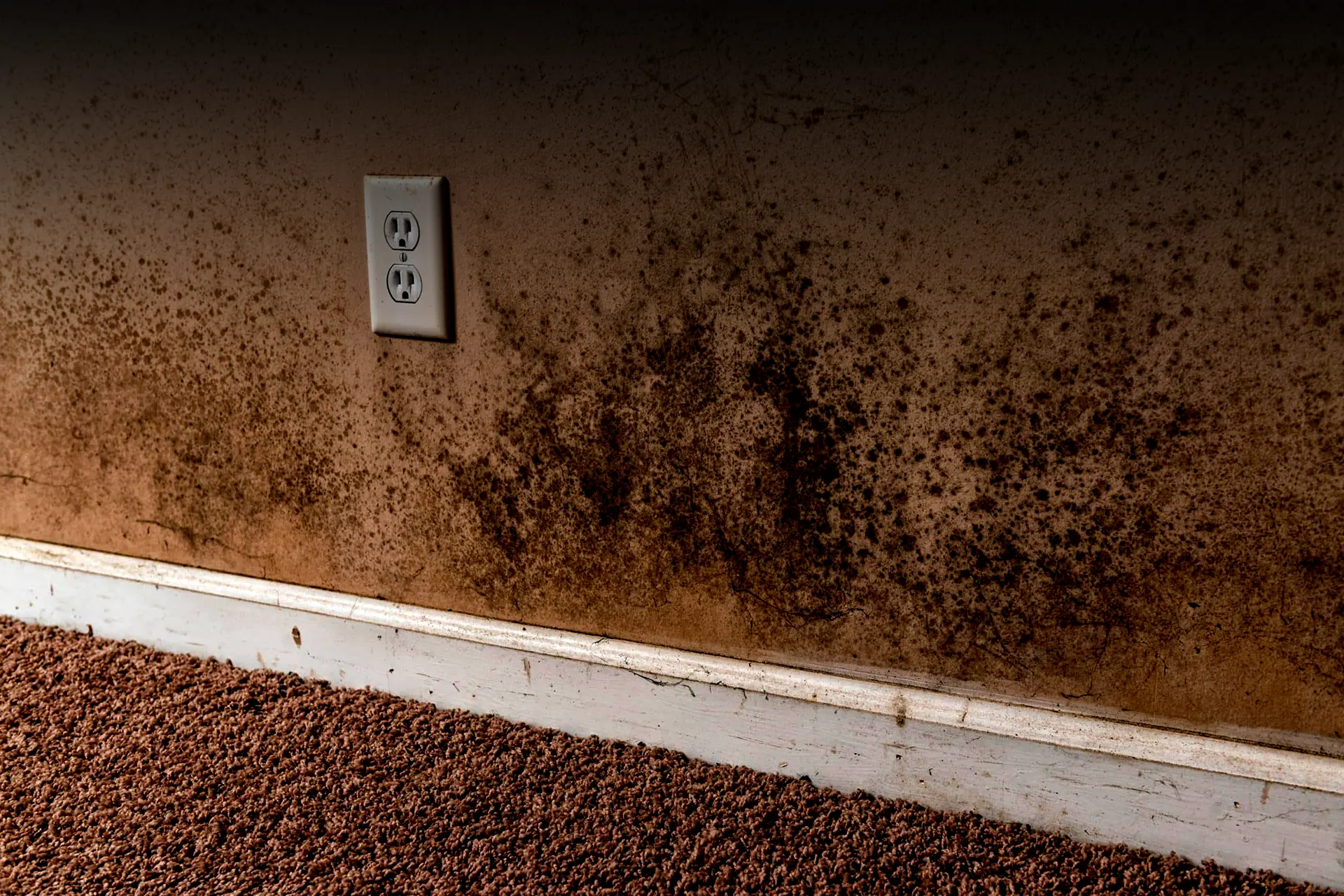
Most people think of mold as a summer problem. Then the heat comes on, the windows stay shut, and by December the closets smell musty and dark spots appear on the walls. Indoor mold in winter is common, and the reason is simple: your house traps moisture when it’s sealed up and warm.
Mold does not need much to grow. It needs moisture, a food source like drywall or wood, and temperatures a heated home provides all winter.
Why does mold grow more in winter?
Three things line up in cold months, and each one feeds mold.
- Sealed windows and doors trap humid air that used to escape.
- Everyday moisture from showers, cooking, and laundry builds up with nowhere to go.
- Cold exterior walls meet warm indoor air and sweat, leaving condensation that mold feeds on.
Where does winter mold hide?
- Closets on exterior walls, where air doesn’t circulate.
- Behind furniture pushed against cold walls.
- Around windows and sills that collect condensation.
- In the basement or crawl space, which stays damp year-round.
How do you keep it under control?
The answer is moisture control, not bleach.
- Keep indoor humidity between 30 and 50 percent. The EPA recommends staying below 60 percent to limit mold (EPA mold guidance).
- Run exhaust fans when you cook and shower.
- Move furniture a few inches off exterior walls.
- Use a dehumidifier in the basement and other damp rooms.
Surface mold you can wipe away may be the visible edge of a bigger problem inside the wall. If it keeps coming back, or covers more than a small patch, it needs professional mold remediation. Mold also affects the air you breathe — see is water damage making you sick.
We remove mold at the source for homeowners across the service area, from Fairview Heights to Columbia.
Mold showing up as the house warms for winter? Call All Clean Restoration. We provide mold remediation, mold removal, and restoration across Southern Illinois and the St. Louis Metro. Our lines are answered 24/7, 365 days a year — weekends and holidays included. Illinois: 618-235-3202 · Missouri: 314-454-0442 · Se Habla Español: 618-792-3633
Recent Blog Articles:

Hiring A Water Damage Restoration Service In Illinois

Specialized Water Cleanup in St. Louis and Western Illinois

Steps To Take When Your Home Is Affected By Water Damage

What To Expect With Mold Removal And Mold Remediation
All Clean Restoration's Other Services
Whether water, mold, fire, or smoke causes damage to your home or business, the effects are heartbreaking and often life-changing. We at All Clean Restoration understand the devastation and pain these events can cause. We also understand that quick and proper action is crucial to prevent further damage, red tape, and cost.

Licensed | Bonded | Insured