LICENSED | BONDED | INSURED
618-235-3202
Why Smoke Smell Keeps Coming Back After a Fire

If you've been devastated by water, mold, fire, and/or smoke damage, know that your cherished possessions, your home or business, can all be restored to pre-damage condition; bringing back your peace of mind.
Whether water, mold, fire, or smoke causes damage to your home or business, the effects are heartbreaking and often life-changing. We at All Clean Restoration understand the devastation and pain these events can cause. We also understand that quick and proper action is crucial to prevent further damage, red tape, and cost.
Call us any time, day or night:
1-800-4223944
Related Topics:
You cleaned the walls. You aired out the house for days. For a while it seemed fine — then a warm afternoon rolled in and the smoke smell was back.
Here’s why. Smoke odor removal has to reach the smoke particles trapped deep in porous materials, not just the surfaces you can wipe. Until those hidden particles are neutralized, heat and humidity keep reactivating the smell. All Clean Restoration removes fire odor at the source across Belleville and the St. Louis Metro.
Why Does Smoke Smell Come Back?
Smoke isn’t just on the surface. During a fire, tiny particles are forced into every porous material in the home.
They settle into drywall, insulation, carpet padding, wood, and the inside of your HVAC system. Wiping the surface leaves those particles behind. When temperature and humidity rise, they release odor all over again.
That’s the trap with DIY. The house smells clean on a cool, dry day and smells like smoke the moment the weather turns.
Where Does Smoke Odor Hide?
The smell lives in the places you can’t easily reach.
- Inside walls and insulation, where smoke was pushed by heat and pressure.
- In the HVAC system and ductwork, which then spreads it room to room.
- In carpet, padding, and upholstery, which act like sponges.
- In porous building materials like unsealed wood and drywall.
Cleaning only the visible surfaces treats a fraction of the problem.
How Do Professionals Actually Remove Smoke Odor?
Real odor removal matches the method to the material. We use several, often together.
- Source removal: we clean or remove the soot-laden materials holding the most odor.
- HEPA air scrubbing: filters pull smoke particles out of the air during the work.
- Thermal fogging: a heated fog penetrates the same tiny spaces the smoke reached, neutralizing odor where it hides.
- Hydroxyl and ozone treatment: these break down odor molecules at the chemical level, not just mask them.
- Sealing: we seal surfaces that can’t be fully cleaned to lock remaining odor in.
The goal is simple. Neutralize the odor at its source so it doesn’t come back with the next humid day.
Can You Get Smoke Smell Out Yourself?
Surface soot on a small area, sometimes. A whole-home smoke odor, almost never.
Store deodorizers only mask the smell for a few days. They don’t reach inside walls, ducts, or padding. The EPA notes that indoor air quality depends on controlling the source of a pollutant, not covering it. For smoke, that means removing the particles — which takes professional equipment.
What About the Water Damage Left Behind?
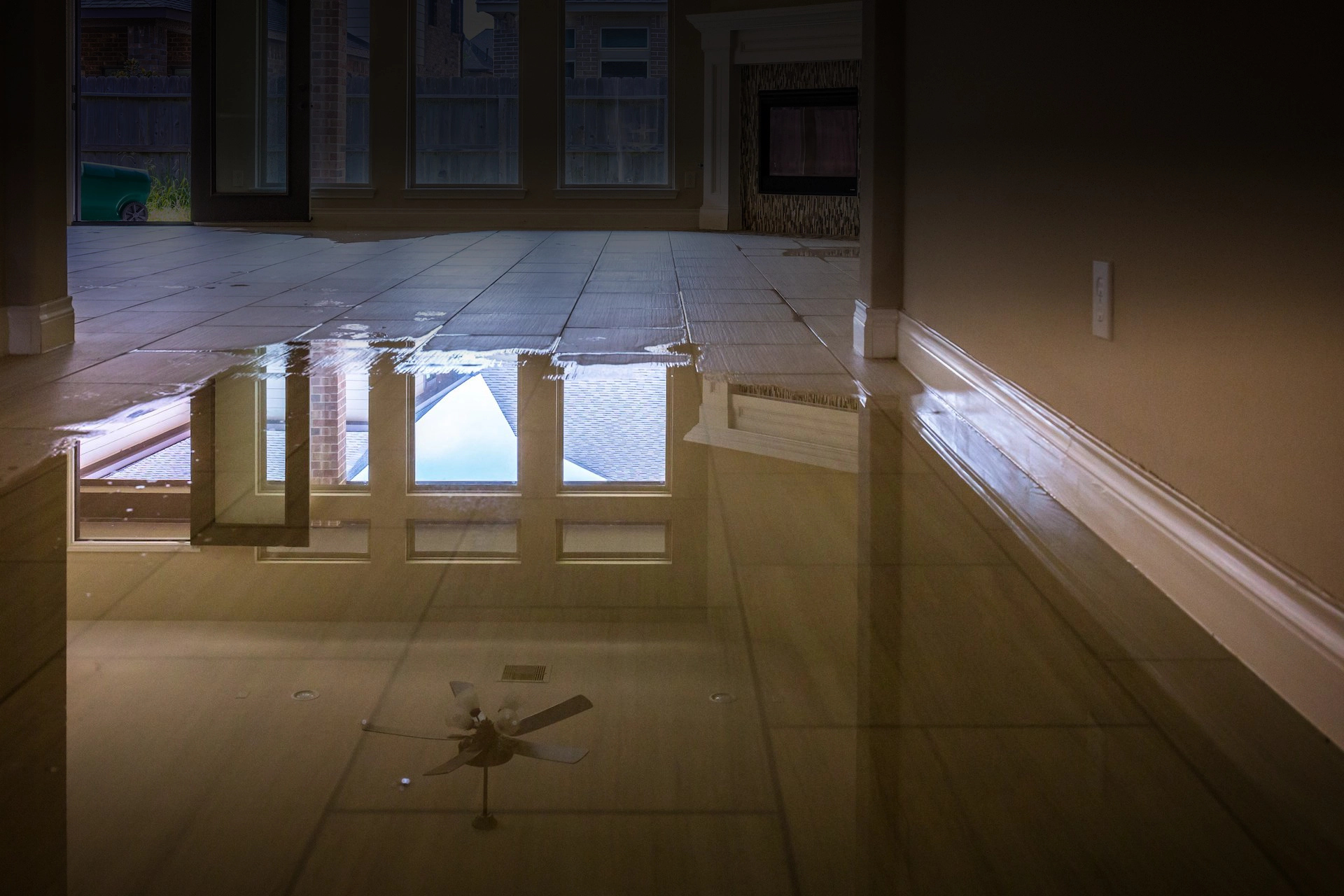
Fires almost always leave water behind, and wet materials hold odor even longer. Damp drywall and carpet lock in smoke smell and grow mold.
Drying is part of odor removal. Our Pro Drying Services dry carpet, walls, and cabinets to a verified standard so odor and moisture leave together. It’s the same care we bring to every fire and smoke restoration job.
We handle smoke odor across the Metro East, from Edwardsville to Collinsville. If the smell keeps coming back, it means the source is still there. Contact us and we’ll find it.
Smoke odor that returns means the job isn’t finished. Call All Clean Restoration and we’ll neutralize the smell at its source, for good. A real person answers 24/7, every day of the year — including weekends and holidays. Licensed. Bonded. Insured. IICRC-certified. BBB A+. Serving Southern Illinois and the St. Louis Metro since 1981. Illinois: 618-235-3202 · Missouri: 314-454-0442 · Se Habla Español: 618-792-3633
Recent Blog Articles:

Water Removal in Missouri and Illinois: Why Local Expertise Makes All the Difference

Water Damage Remediation for Illinois Businesses: Protecting Your Investment and Your Bottom Line

Smoke Damage: Why ‘Airing It Out’ Is Never Enough

Mold Damage: What It Is, What Causes It, and How to Eliminate It for Good
All Clean Restoration's Other Services
Whether water, mold, fire, or smoke causes damage to your home or business, the effects are heartbreaking and often life-changing. We at All Clean Restoration understand the devastation and pain these events can cause. We also understand that quick and proper action is crucial to prevent further damage, red tape, and cost.

Licensed | Bonded | Insured