LICENSED | BONDED | INSURED
618-235-3202
Winter Window Condensation: When Moisture Becomes Damage

If you've been devastated by water, mold, fire, and/or smoke damage, know that your cherished possessions, your home or business, can all be restored to pre-damage condition; bringing back your peace of mind.
Whether water, mold, fire, or smoke causes damage to your home or business, the effects are heartbreaking and often life-changing. We at All Clean Restoration understand the devastation and pain these events can cause. We also understand that quick and proper action is crucial to prevent further damage, red tape, and cost.
Call us any time, day or night:
1-800-4223944
Related Topics:
Every cold morning, the windows fog up and water pools on the sill. You wipe it away, but by December the paint is peeling and the frame feels soft. Window condensation damage is slow, quiet, and easy to ignore until the wood underneath is rotting.
This is a cold-weather problem. Warm indoor air hits cold glass, the moisture condenses, and it runs down into the frame and wall below.
Why do windows sweat in winter?
Indoor air holds moisture from showers, cooking, and breathing. When that humid air meets a cold window, the water drops out of the air and onto the glass.
The colder the glass and the more humid your home, the worse it gets. Older single-pane windows and metal frames sweat the most.
When does condensation turn into damage?
A little fog clears on its own. Standing water, day after day, does not.
- Wood frames and sills swell, then rot where water sits.
- Drywall below the window stains and softens.
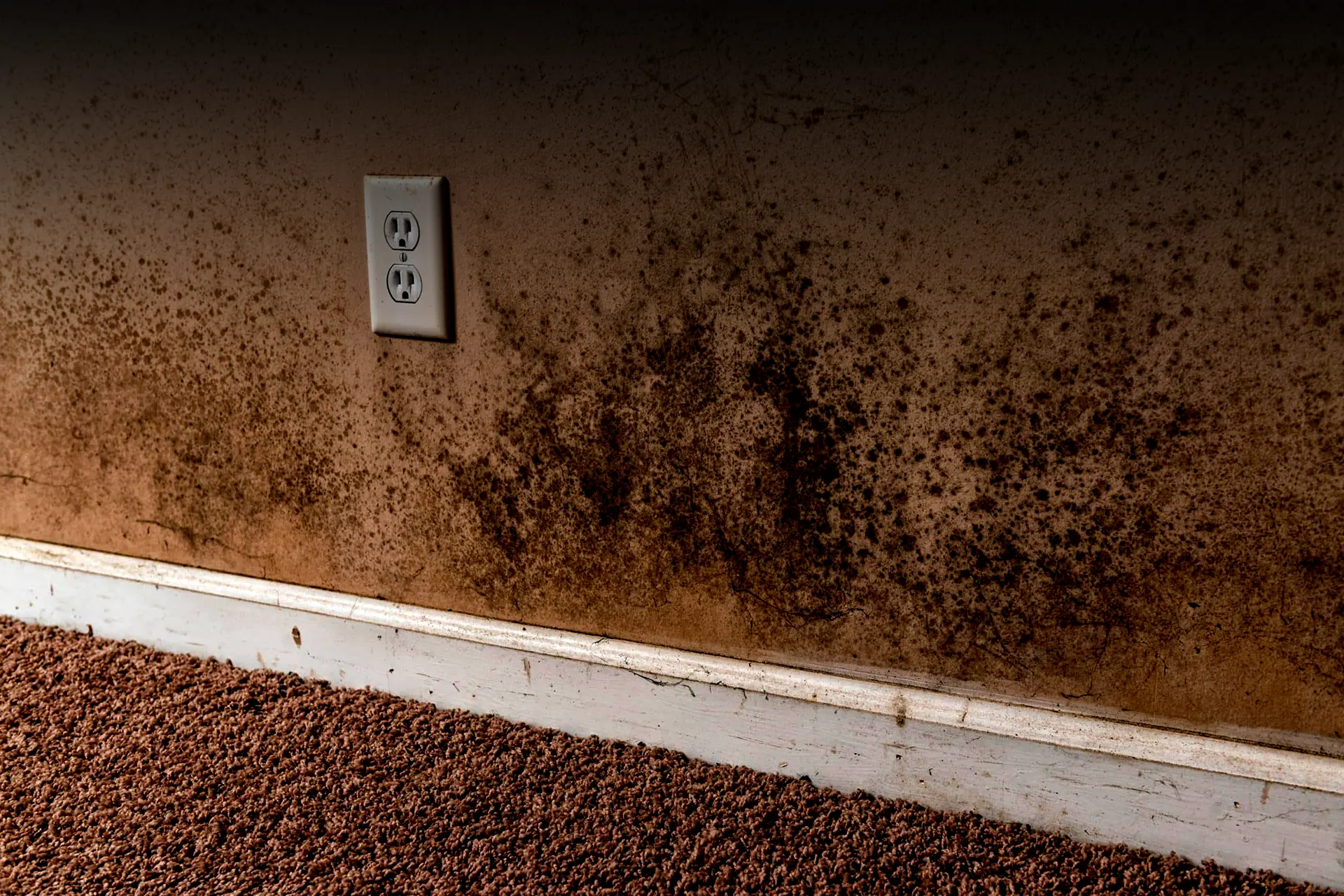
- Mold grows on the frame, the sill, and the wall. The EPA advises keeping indoor humidity below 60 percent to limit it (EPA mold guidance).
- Hidden moisture spreads into the wall cavity behind the trim.
How do you stop it?
Lower the humidity first, then deal with any damage already done.
- Run bathroom and kitchen exhaust fans during and after showers and cooking.
- Open blinds so air moves across the glass.
- Use a dehumidifier in the dampest rooms.
- Check the wall below for soft spots or staining.
If the frame or wall is already wet and soft, the moisture has moved past the surface. Our wall and cabinet drying team can find and dry it, and if mold has started, our mold remediation crews remove it at the source. You may also want to read why your house smells musty, since that smell often starts at a damp window.
We help homeowners from Belleville to Waterloo keep winter moisture from becoming a repair bill.
Window moisture turning into rot or mold? Call All Clean Restoration. We handle water damage, mold removal, and restoration across Southern Illinois and the St. Louis Metro. Our lines are open 24/7, 365 days a year — weekends and holidays included. Illinois: 618-235-3202 · Missouri: 314-454-0442 · Se Habla Español: 618-792-3633
Recent Blog Articles:

Paradise Lost and Found: How All Clean Restoration Saved Our Vacation Memories (and Hardwood Floors!)

Refrigerator Leaks: Don’t Let a Drip Turn into a Disaster!

Don’t Let Winter Weather Catch Your Home Off Guard: Essential Tips for Illinois and Missouri

The Hidden Danger: How Static Electricity Can Spark Disaster
All Clean Restoration's Other Services
Whether water, mold, fire, or smoke causes damage to your home or business, the effects are heartbreaking and often life-changing. We at All Clean Restoration understand the devastation and pain these events can cause. We also understand that quick and proper action is crucial to prevent further damage, red tape, and cost.

Licensed | Bonded | Insured