LICENSED   |   BONDED  |   INSURED

618-235-3202
Winterizing Your Home to Prevent Frozen Pipes in the Metro East

October 17, 2026
Learn how to prevent frozen pipes before a Metro East cold snap. Simple steps that save you from a burst-pipe flood. All Clean responds 24/7 in IL and MO generated

If you've been devastated by water, mold, fire, and/or smoke damage, know that your cherished possessions, your home or business, can all be restored to pre-damage condition; bringing back your peace of mind.

Whether water, mold, fire, or smoke causes damage to your home or business, the effects are heartbreaking and often life-changing. We at All Clean Restoration understand the devastation and pain these events can cause. We also understand that quick and proper action is crucial to prevent further damage, red tape, and cost.

Call us any time, day or night:

1-800-4223944

Related Topics:

A Metro East cold snap can drop temperatures fast, and a frozen pipe that bursts can flood a home in minutes. The good news is that most frozen-pipe disasters are preventable with a little prep before winter hits.

Here’s the core of it. To prevent frozen pipes, you keep vulnerable pipes warm, keep water moving during hard freezes, and seal out the cold air that reaches them. A few simple steps in fall save you from a burst-pipe flood in January. All Clean Restoration would rather help you avoid the emergency than clean up after it.

Why Do Pipes Freeze and Burst?

Water expands as it freezes. Inside a closed pipe, that expanding ice builds enormous pressure.

The pipe doesn’t usually burst at the ice itself. It bursts at a weak point downstream, where the pressure has nowhere to go. That’s why a frozen pipe can seem fine, then split and flood once it thaws.

Which Pipes Are Most at Risk?

The cold reaches some pipes more than others. The vulnerable ones are:

  • Pipes in unheated spaces — basements, crawlspaces, garages, and attics.
  • Pipes along exterior walls with little insulation.
  • Outdoor spigots and sprinkler lines.
  • Pipes under sinks on outside walls.

These are the spots to focus your winter prep.

How Do You Winterize Your Pipes?

A short checklist handles most of the risk. Do these before the first hard freeze:

  1. Insulate exposed pipes with foam sleeves in basements, crawlspaces, and garages.
  2. Disconnect and drain garden hoses, and shut off outdoor spigots.
  3. Seal air leaks near pipes — around rim joists, vents, and where lines enter the house.
  4. Keep the heat on, even when away, at 55°F or higher.
  5. Open cabinet doors under sinks on cold nights to let warm air reach the pipes.

None of this is expensive. All of it is cheaper than a flooded home.

What Should You Do During a Hard Freeze?

When temperatures really drop, take two extra steps:

  • Let faucets drip. Moving water is much harder to freeze.
  • Keep interior doors open so heat circulates to colder rooms.

If you’re leaving town during a deep freeze, consider shutting off the main water supply and draining the lines. A pipe can’t flood a house that has no water in it.

What If a Pipe Freezes Anyway?

Act fast, and don’t wait for it to thaw on its own. If you find a frozen pipe:

  • Shut off the main water supply in case the pipe has already cracked.
  • Open the faucet the pipe feeds, so water can escape as it thaws.
  • Warm the pipe gently with a hair dryer or towels — never an open flame.
  • Call for help if you can’t reach it or you suspect a burst.

If a pipe does burst, every minute counts. Our water removal crew aims to be on-site within 30 minutes, and fast water damage restoration keeps a burst pipe from becoming a mold problem. The IICRC standard for drying is why we measure and verify instead of guessing.

We help homeowners winter-proof and recover across the Metro East, from Alton to Waterloo. See the service area or contact us before the cold sets in.

A frozen pipe won’t wait for morning. Neither do we. If a pipe bursts, call All Clean Restoration for immediate water extraction. A real person answers 24/7, 365 days a year — holidays and weekends included. Licensed. Bonded. Insured. IICRC-certified. BBB A+. Serving Southern Illinois and the St. Louis Metro since 1981. Illinois: 618-235-3202 · Missouri: 314-454-0442 · Se Habla Español: 618-792-3633

Recent Blog Articles:

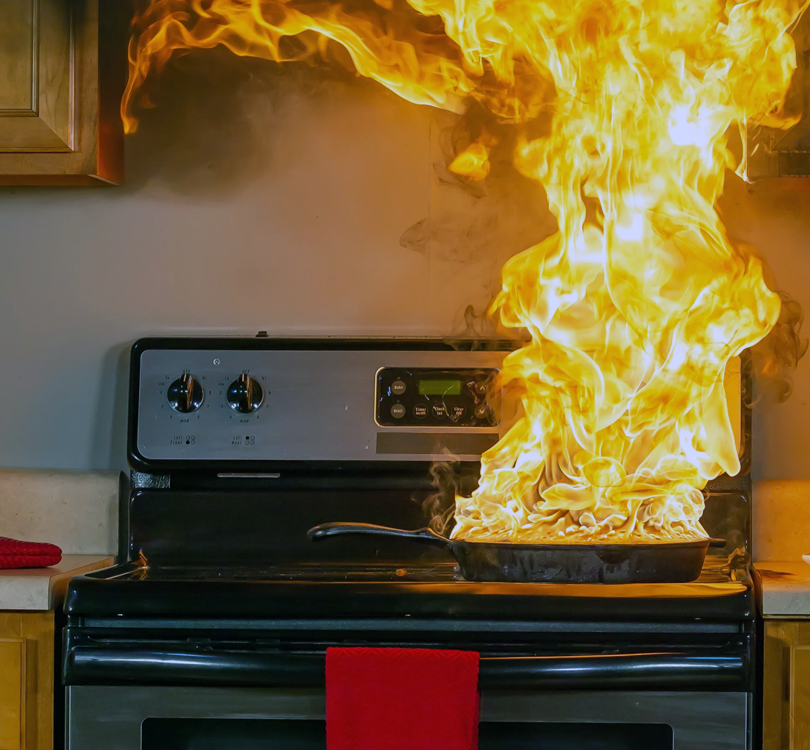
If your home has been exposed to smoke—whether from a small kitchen fire or a larger incident—immediate action is vital. Call All Clean Restoration 24/7 at 618-235-3202 or 314-454-0442 for professional smoke removal.

“Just a Little Smoke” is a Big Deal for Your Home

If your home has been exposed to smoke—whether from a small kitchen fire or a larger incident—immediate action is vital. Call All Clean Restoration 24/7 at 618-235-3202 or 314-454-0442 for professional smoke removal.
When a pipe bursts or a storm causes water to seep into your basement, your first thought is usually, "Is this covered?" Unfortunately, many homeowners in the St. Louis and Metro Illinois area only find out the answer after the damage is done. At All Clean Restoration, we believe that understanding your policy today is the best way to protect your home tomorrow. If you’re currently facing a leak or suspected mold, don't wait for the fine print. Call All Clean Restoration immediately at 618-235-3202 or 314-454-0442 for 24/7 emergency response. The Hidden Gaps in Standard Policies Most homeowners assume "water damage" is a blanket term. In the insurance world, however, coverage often depends on the source of the water and how quickly you responded. Sudden vs. Gradual: Standard policies typically cover "sudden and accidental" water damage, like a washing machine hose snapping. They often exclude gradual damage, such as a slow drip under a cabinet that you ignored for months. The Mold Limit: Even if a water claim is approved, many policies have a "mold sub-limit." This might cap your mold remediation coverage at $5,000—a small amount if mold has spread through your HVAC or walls. Backup and Sump Pump Endorsements: In areas like Belleville, IL, and St. Louis, MO, sewer backups and sump pump failures are common. These often require a specific "endorsement" or rider on your policy to be covered. How All Clean Restoration Works with Your Insurance Dealing with adjusters while your basement is under two inches of water is the last thing you want to do. That’s why All Clean Restoration acts as your advocate. With over 45 years of experience in the St. Louis metropolitan area, we know exactly what insurance carriers need to approve a claim. 1. Detailed Documentation We don't just dry your home; we build a "case" for your claim. We use thermal imaging and moisture meters to document the full extent of the loss, ensuring the insurance company sees the hidden moisture behind walls and under floors. 2. Immediate Mitigation Insurance policies require you to "mitigate further damage." By calling us at 618-235-3202 within the first 24 hours, you show the insurance company you took the necessary steps to prevent mold and structural rot, which helps your claim move faster. 3. Direct Billing & Communication We speak the "language" of insurance. Our team works directly with your adjuster to coordinate estimates and scope of work, reducing your stress and minimizing red tape. Don’t Wait Until It’s Too Late Water and mold damage are time-sensitive emergencies. Whether you have a clear-cut insurance claim or you’re worried about out-of-pocket costs, our priority is getting your life back to normal. Contact All Clean Restoration for expert insurance claim assistance and restoration: 📞 Illinois: 618-235-3202 📞 Missouri: 314-454-0442 🌐 Visit us: allcleanrestoration.com

Is Your Insurance Ready for a Rainy Day? Navigating Water and Mold Claims in St. Louis and Illinois

Most homeowners assume "water damage" is a blanket term. In the insurance world, however, coverage often depends on the source of the water and how quickly you responded.
At All Clean Restoration, we’ve seen how "just a little water" around your foundation turns into a structural nightmare. If you see pooling water near your home or damp spots in your basement, call us immediately at 618-235-3202 or 314-454-0442.

Is Water Around Your Foundation Destroying Your Home?

At All Clean Restoration, we’ve seen how "just a little water" around your foundation turns into a structural nightmare. If you see pooling water near your home or damp spots in your basement, call us immediately at 618-235-3202 or 314-454-0442.
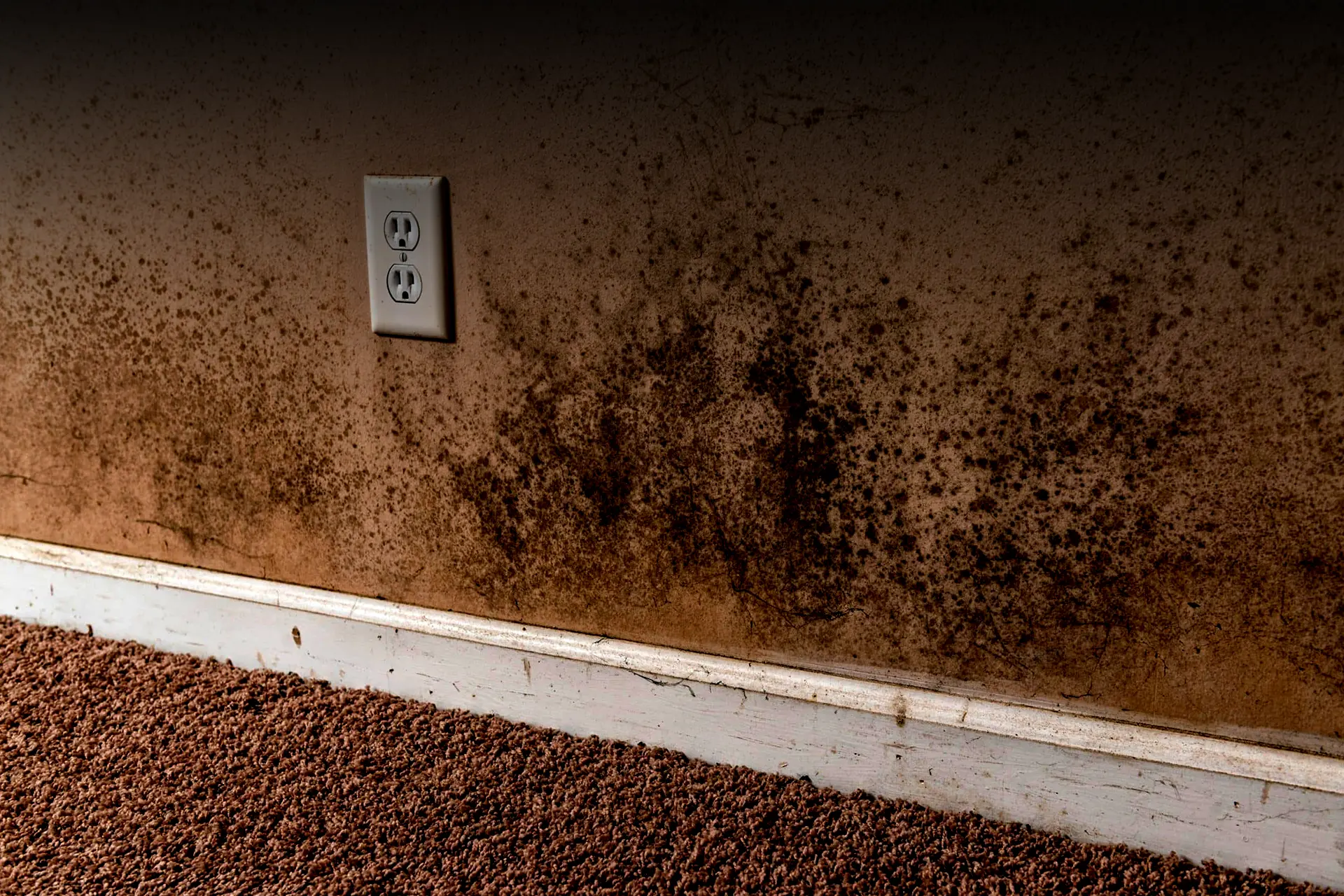
Mold in walls is a "silent menace" that can compromise your home’s air quality and structural integrity long before it becomes a visible eyesore. If you suspect mold or have recently dealt with water damage, don't wait for the problem to spread.

The Invisible Threat: Is Mold Hiding Inside Your Walls?

Mold in walls is a "silent menace" that can compromise your home’s air quality and structural integrity long before it becomes a visible eyesore. If you suspect mold or have recently dealt with water damage, don't wait for the problem to spread.

All Clean Restoration's Other Services

Whether water, mold, fire, or smoke causes damage to your home or business, the effects are heartbreaking and often life-changing. We at All Clean Restoration understand the devastation and pain these events can cause. We also understand that quick and proper action is crucial to prevent further damage, red tape, and cost.

We are honored to help in your time of need.

We are committed to delivering exceptional customer service and restoring homes and businesses to their pre-loss condition. For more than 40 years throughout Southern Illinois, we've prioritized communication with our clients, walking them through the entire restoration process from the moment we arrive to walking back into their restored homes and offices.

618-235-3202

Licensed  |  Bonded  |  Insured