LICENSED | BONDED | INSURED
618-235-3202
Your Water Heater Just Failed: A First-Hour Playbook

If you've been devastated by water, mold, fire, and/or smoke damage, know that your cherished possessions, your home or business, can all be restored to pre-damage condition; bringing back your peace of mind.
Whether water, mold, fire, or smoke causes damage to your home or business, the effects are heartbreaking and often life-changing. We at All Clean Restoration understand the devastation and pain these events can cause. We also understand that quick and proper action is crucial to prevent further damage, red tape, and cost.
Call us any time, day or night:
1-800-4223944
Related Topics:
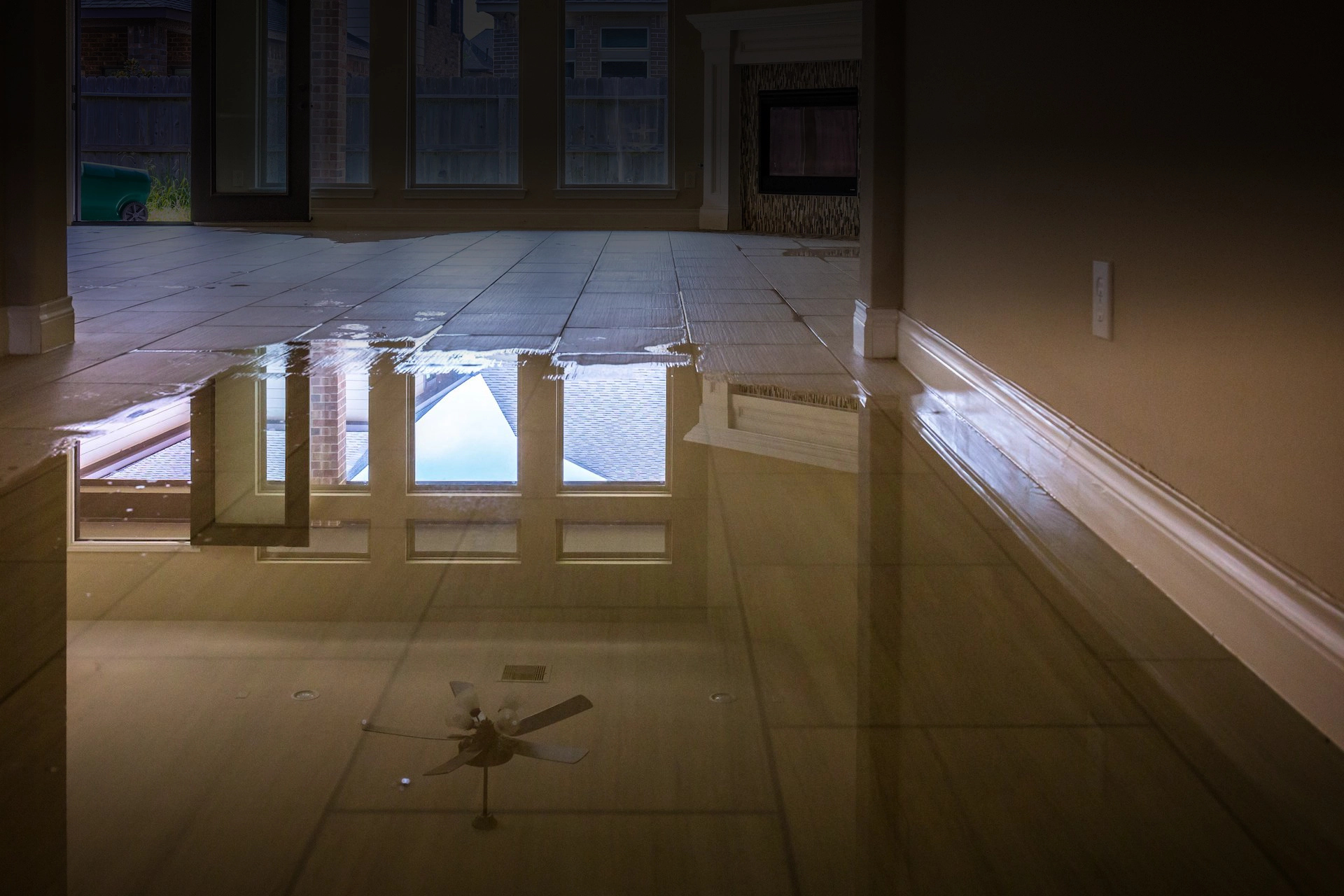
You walk into the utility room or garage and step in water. The tank is weeping from the base, or it’s already emptied 40 gallons across the floor. A water heater leak goes from a drip to a flood faster than most homeowners expect.
Water heaters fail on their own schedule — often overnight, often in an older home. In Belleville, Highland, and across the St. Louis Metro, we respond to burst tanks year-round. The good news: your first hour decides how bad this gets.
Why Water Heaters Fail
A tank has a lifespan, and most fail from the inside out. Knowing the cause helps you prevent the next one.
- Most tanks last 8–12 years. After that, failure is a matter of when.
- Sediment builds up and rusts the tank from within.
- Pressure problems. A failed T&P relief valve lets pressure climb dangerously.
- Loose or corroded connections at the supply and drain lines.
A slow water heater leak from the bottom of the tank usually means internal corrosion. That tank is done — it needs replacement, not repair.
The First Hour: What to Do Right Now
Move fast and stay safe. These steps limit the damage before help arrives.
- Shut off the water. Close the valve on the cold-water line above the heater. If you can’t, shut off the main.
- Cut the power or gas. For electric, flip the breaker. For gas, turn the control to “off.” Never touch a unit standing in water without cutting power first.
- Contain the spread. Use towels and a wet vac to keep water out of adjoining rooms and away from drywall.
- Move belongings off the wet floor — boxes, electronics, anything porous.
- Photograph the scene for your claim before you clean up.
- Call for emergency extraction. The clock to mold and warped flooring starts now.
Where the Real Damage Hides
The puddle you see isn’t the whole story. Water heaters usually sit against walls or in corners, and water wicks into everything it touches.
Within hours, water soaks into baseboards, drywall, and subflooring. If your tank sits near finished space, it can reach carpet and rug padding or hardwood flooring in the next room. That’s why we don’t stop at the visible water. We use thermal imaging and moisture meters to find every wet cavity, then dry each one to a verified standard — the drying protocols set out in the IICRC S500 Standard that guide our work.
Left alone, that trapped moisture becomes mold. A burst tank in the morning can mean a mold problem within days if the structure isn’t properly dried.
We Handle the Cleanup and the Claim
A failed water heater is often a covered event. We document the loss with moisture maps and daily drying logs, then coordinate directly with your adjuster. If you’re unsure how coverage works, our insurance FAQ breaks it down.
We serve homeowners across the Metro East and Missouri — from Troy and Maryville to St. Louis. Check our service area to confirm we’re in your neighborhood.
A burst tank floods fast — the right response saves your floors and walls. Call All Clean Restoration for emergency water extraction, structural drying, and full restoration after a water heater failure. Our lines are answered live 24/7, every day of the year, holidays and weekends included. On-site fast, and honored to help. Illinois: 618-235-3202 · Missouri: 314-454-0442 · Se Habla Español: 618-792-3633 Or contact us online for immediate response.
Recent Blog Articles:

Water Damage Under Your Cabinets, and How Pro Drying Saves Them

Can You Live in Your House During Mold Remediation?

Slab Leaks: The Hidden Water Damage Under Your Floor

How Long Does Water Damage Restoration Take?
All Clean Restoration's Other Services
Whether water, mold, fire, or smoke causes damage to your home or business, the effects are heartbreaking and often life-changing. We at All Clean Restoration understand the devastation and pain these events can cause. We also understand that quick and proper action is crucial to prevent further damage, red tape, and cost.

Licensed | Bonded | Insured