LICENSED | BONDED | INSURED
618-235-3202
Black Mold Removal: What Southern Illinois Homeowners Actually Need to Know

If you've been devastated by water, mold, fire, and/or smoke damage, know that your cherished possessions, your home or business, can all be restored to pre-damage condition; bringing back your peace of mind.
Whether water, mold, fire, or smoke causes damage to your home or business, the effects are heartbreaking and often life-changing. We at All Clean Restoration understand the devastation and pain these events can cause. We also understand that quick and proper action is crucial to prevent further damage, red tape, and cost.
Call us any time, day or night:
1-800-4223944
Related Topics:
Few words cause more panic in a homeowner than “black mold.” It’s become shorthand for every worst-case scenario — but the truth is more nuanced, and understanding it actually matters when it comes to protecting your family and choosing the right mold removal company. At All Clean Restoration, we’ve spent more than 45 years identifying, testing, and safely removing mold — including black mold — throughout Belleville, IL, the Metro East, and the greater St. Louis area.
What “Black Mold” Actually Is
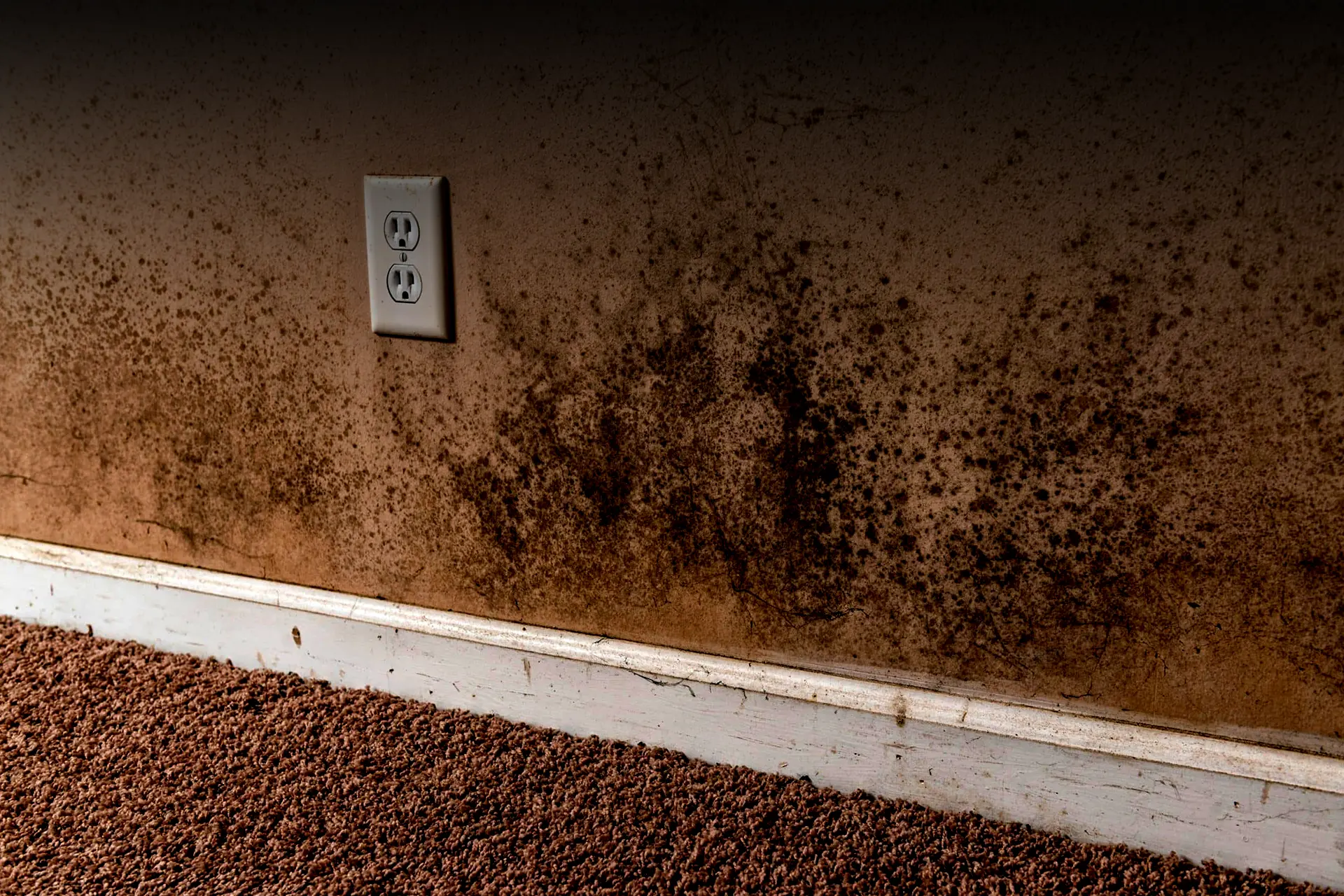
“Black mold” most often refers to Stachybotrys chartarum, a greenish-black, slimy-textured mold that grows on materials with high cellulose content — drywall, ceiling tiles, wood, and insulation — that have stayed wet for an extended period. It’s typically found in homes and businesses damaged by flood water or sewage events, and it has a distinct musty odor. Stachybotrys represents just one of well over a hundred species in its genus, and not every dark-colored mold you find is Stachybotrys — several common household molds simply appear black or dark green and are frequently mistaken for it.
Is Black Mold as Dangerous as People Say?
Mold exposure of any kind can affect people differently depending on the type of mold, an individual’s sensitivity, and the level and duration of exposure. Mold produces allergens and, in some cases, mycotoxins that can trigger respiratory distress, allergy flare-ups, and infections. Inhaling spores commonly causes coughing, sneezing, and breathing difficulty, and can trigger asthma attacks in those with the condition. Research has linked chronic sinus infections to mold overexposure in the large majority of cases. In rarer situations involving heavy, prolonged exposure, mold — including Stachybotrys — has been associated with more serious systemic health effects, particularly in immunocompromised individuals.
The bottom line: you don’t need to panic, but you shouldn’t ignore it either. Any visible mold growth, regardless of color, warrants professional evaluation.
Where Black Mold Typically Grows
Because Stachybotrys needs sustained moisture to establish itself, it tends to show up in the same handful of places, often well out of sight:
- Behind drywall and wallpaper in areas that experienced a slow leak or flooding
- Around window frames and door jambs where condensation regularly builds up
- In basements and crawlspaces affected by groundwater or sump pump failures
- Inside HVAC ductwork and around air intake vents, often accompanied by a musty smell
- Under carpet and padding that stayed damp after a spill, leak, or flood
- In bathrooms and laundry rooms with poor ventilation and consistent humidity
If your home has experienced flooding or a slow leak recently, it’s worth reading our explanation of how quickly mold develops after water damage — the window is shorter than most homeowners expect. Basements are a particularly common starting point; see our guide to basement flooding in Southern Illinois for the specific conditions that invite mold growth.
Why DIY Black Mold Removal Is Risky
It’s tempting to reach for a bottle of bleach and handle a small patch of mold yourself. But disturbing mold without proper containment can release spores into the air, spreading contamination to previously unaffected rooms through your HVAC system. Bleach also doesn’t reliably kill mold on porous surfaces like drywall or wood — it can bleach the visible color while leaving the root structure intact underneath the surface. Professional mold removal addresses the whole problem, not just what’s visible.
Our Professional Mold Removal & Remediation Process
- Inspection & identification: We assess the extent of growth and identify the mold type and moisture source driving it.
- Containment: Affected areas are sealed off to prevent spores from spreading during removal.
- Safe removal: Mold is carefully removed without disturbing spores unnecessarily, following IICRC-standard remediation protocols.
- Source correction: We identify and address the underlying moisture problem — a leak, poor ventilation, or condensation — because removing mold without fixing the cause guarantees it returns.
- Disposal & cleanup: Contaminated materials that can’t be salvaged are safely bagged and removed from the property.
- Verification: We confirm the space is safe before considering the job complete.
Because ventilation problems are one of the most common root causes we find, our team also frequently traces mold issues back to attic and roofing failures — a pattern we detail in our article on attic mold.
Preventing Mold From Coming Back
- Address leaks — from pipes, roofs, or windows — as soon as you notice water stains or discoloration
- Keep indoor humidity below 50%, especially in basements and crawlspaces
- Ensure bathrooms, laundry rooms, and kitchens are properly ventilated
- Dry out any water intrusion within 24–48 hours using professional water extraction when the amount of water is more than you can manage with towels and a fan
- Schedule a mold inspection if you notice a persistent musty odor, even without visible growth
| Found Mold? Don’t Wait to Find Out What It Is.
All Clean Restoration offers 24/7 emergency mold inspection and removal services throughout Belleville, IL and the Bi-State Metro area. Our IICRC-certified technicians identify the mold, find the source, and remove it safely — the first time. |
Learn more about our full mold removal and remediation services, explore our complete range of restoration services, confirm we serve your area, or contact us today for a free mold inspection estimate.
Recent Blog Articles:

Midwest Snow and Ice Storms Bring Water Damage

6 New Year’s Resolutions to Keep Your Home Healthy and Water Damage-Free in 2025

A Fire-Safe Christmas and Winter: Keeping Your Loved Ones Warm and Cozy This Season

Don’t Let Winter Water Damage Steal Your Holiday Cheer: Prepare Your Missouri or Illinois Home Now!
All Clean Restoration's Other Services
Whether water, mold, fire, or smoke causes damage to your home or business, the effects are heartbreaking and often life-changing. We at All Clean Restoration understand the devastation and pain these events can cause. We also understand that quick and proper action is crucial to prevent further damage, red tape, and cost.

Licensed | Bonded | Insured