LICENSED | BONDED | INSURED
618-235-3202
Drip, Drip, Dropping Dollars? How to Stop a Ceiling Leak from Ruining Your Illinois or Missouri Home

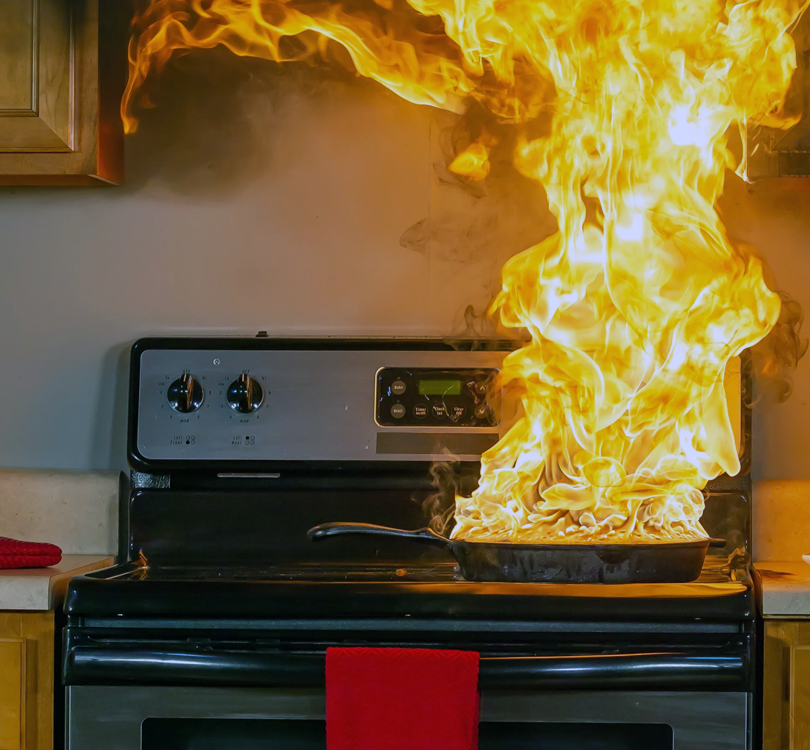
If you've been devastated by water, mold, fire, and/or smoke damage, know that your cherished possessions, your home or business, can all be restored to pre-damage condition; bringing back your peace of mind.
Whether water, mold, fire, or smoke causes damage to your home or business, the effects are heartbreaking and often life-changing. We at All Clean Restoration understand the devastation and pain these events can cause. We also understand that quick and proper action is crucial to prevent further damage, red tape, and cost.
Call us any time, day or night:
1-800-4223944
Related Topics:
That ominous drip… drip… drip. The sudden appearance of a discolored patch spreading across your ceiling. Few household problems cause instant anxiety quite like a ceiling water leak. It’s more than just an aesthetic issue; it’s a sign of a potentially serious problem lurking above, threatening the structural integrity of your home, your belongings, and even your family’s health.
At All Clean Restoration, we understand the stress and uncertainty a ceiling water leak brings. We’ve seen firsthand the damage that even a small, slow leak can cause if left unaddressed. This comprehensive guide is designed to help you understand the causes of ceiling leaks, what immediate steps to take, the hidden dangers involved, the professional restoration process, and how you can prevent future occurrences.
Understanding the Source: Where is the Water Coming From?
The first challenge with a ceiling leak is often pinpointing the exact source. Water is notorious for traveling along structural elements like joists, pipes, and wiring before finally finding a place to penetrate your ceiling. The stain or drip you see might be several feet away from the actual origin of the leak. Common culprits include:
- Roofing Issues: This is often the prime suspect, especially for top-floor ceilings.
- Damaged or Missing Shingles: Wind, hail, age, or physical impact can compromise shingles, allowing water to seep underneath.
- Compromised Flashing: Flashing around chimneys, vents, skylights, and valleys is crucial for sealing joints. Deterioration or improper installation can create entry points for water.
- Ice Dams: In colder climates, snow melts and refreezes at the roof edge, creating a dam that forces water back up under the shingles.
- Clogged Gutters: Gutters overflowing due to debris buildup can cause water to back up under the roof eaves and into the attic or wall cavities.
- Plumbing Problems: Leaks originating from pipes or fixtures in floors above the affected ceiling are very common.
- Leaky Pipes: Old, corroded, or improperly joined pipes (supply lines or drain lines) can develop slow drips or sudden bursts.
- Fixture Failures: Leaking toilets (especially wax ring seals), shower pans, bathtub overflows, or sink drains can saturate the subfloor and eventually drip through the ceiling below.
- Aging Water Heaters: If located in an attic or upper floor, a leaking water heater can cause significant ceiling damage.
- HVAC System Issues: Your heating, ventilation, and air conditioning system can also be a source.
- Clogged Condensate Drain Lines: Air conditioners remove humidity, creating condensation. If the drain line carrying this water away becomes clogged, the drain pan can overflow.
- Cracked Drain Pan: The pan itself can crack due to age or damage, allowing condensate water to leak.
- Leaking Ductwork (Condensation): Poorly insulated ducts in unconditioned spaces like attics can sometimes “sweat” or accumulate condensation, which can drip onto the ceiling.
- Appliance Malfunctions: Washing machines, dishwashers, or refrigerators with ice makers located on upper floors can leak due to faulty hoses or internal failures.
- Attic Condensation: Poor attic ventilation combined with temperature differences can lead to condensation forming on the underside of the roof sheathing or structural members. Over time, this moisture can saturate insulation and drywall. Inadequate insulation can exacerbate this issue.
Identifying the exact source often requires careful investigation, sometimes involving accessing attics, crawl spaces, or even opening up small sections of drywall. This detective work is crucial, as simply patching the ceiling stain without fixing the root cause guarantees the problem will return.
Immediate Actions: What To Do RIGHT NOW When You Spot a Leak
Discovering a ceiling leak requires swift action to minimize damage:
- Prioritize Safety: If the leak is near light fixtures or electrical outlets, or if there’s significant water pooling, turn off the electricity to that area at the breaker box immediately. Water and electricity are a dangerous combination. Avoid using any electrical appliances or switches in the affected area.
- Contain the Water: Place buckets, basins, or plastic sheeting directly under the drip(s) to catch the water. Lay down old towels or absorbent materials around the buckets to catch splashes and prevent water from spreading further across the floor.
- Relieve Water Pressure (Use Extreme Caution): If the ceiling is visibly bulging with water, it indicates significant pooling. Carefully, if you feel safe doing so and have protective eyewear, you can puncture the center of the bulge with a small screwdriver or nail. This allows the water to drain in a controlled manner into your bucket, preventing a larger section of the ceiling from collapsing under the weight. If you are unsure or uncomfortable, skip this step and wait for professionals.
- Move Belongings: Remove furniture, electronics, rugs, and any other valuable items from the affected area or cover them securely with plastic sheeting.
- Try to Locate the Source (If Obvious & Safe): If you suspect a specific fixture (e.g., an overflowing toilet upstairs), shut off its local water supply valve. If you suspect a major plumbing burst, locate and turn off your home’s main water shut-off valve.
- Document the Damage: Take clear photos and videos of the leak, the ceiling stain, any bulging, and any damaged belongings. This documentation is vital for insurance claims.
- Call the Professionals: This is the most crucial step. Contact a reputable water damage restoration company like All Clean Restoration immediately. Our team can assess the situation, help locate the source, begin the drying process, and prevent further damage like mold growth. You may also need to contact a plumber or roofer depending on the suspected source.
The Hidden Dangers: Why a Ceiling Leak is More Than Just an Eyesore
Ignoring a ceiling leak, even a small one, can lead to severe and costly consequences:
Structural Damage: Prolonged exposure to moisture weakens wooden joists, beams, and roof decking. Saturated drywall or plaster becomes soft, unstable, and prone to collapse.
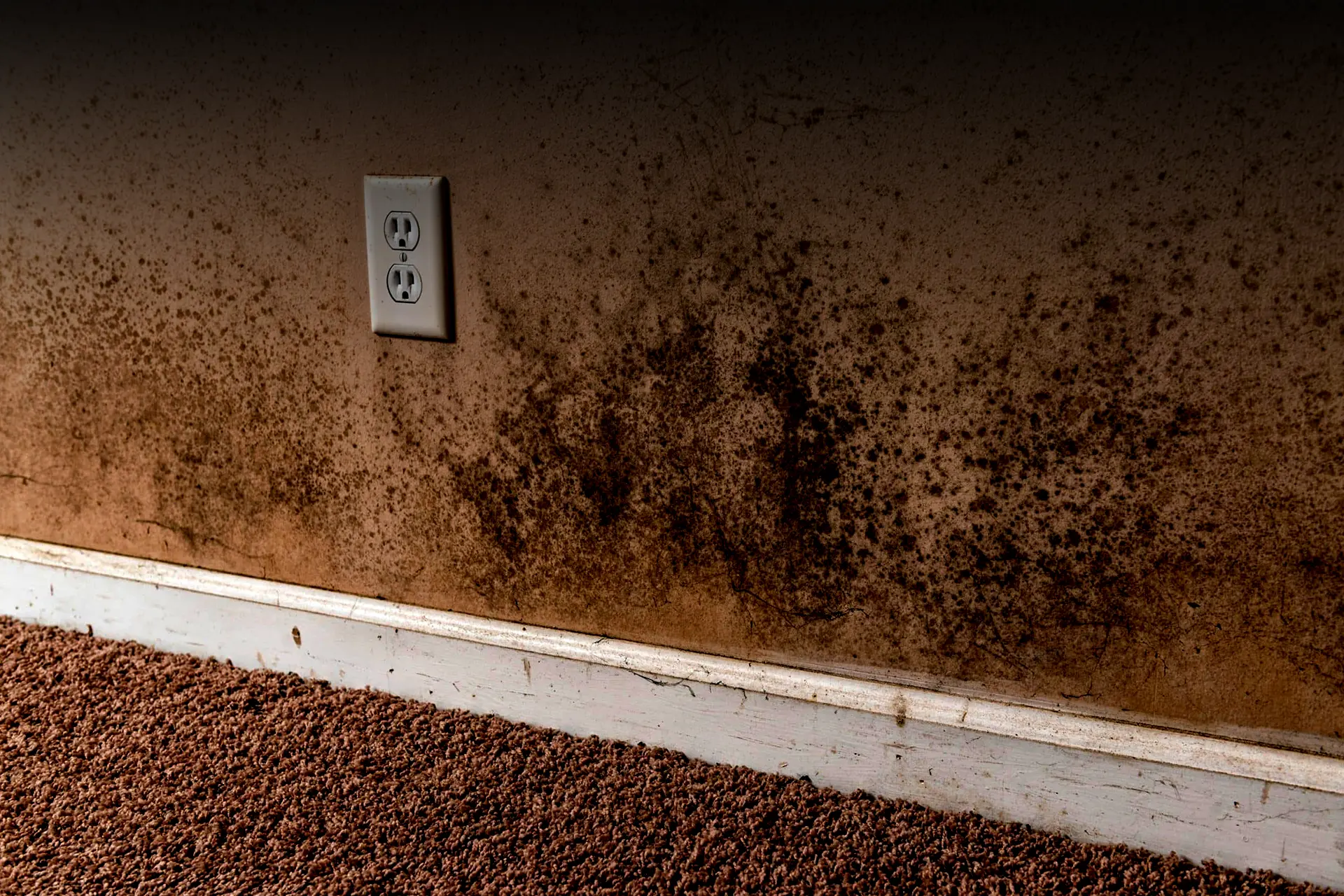
Mold Growth: Mold thrives in damp, dark environments. Within just 24-48 hours of water intrusion, mold spores (which are always present in the air) can begin to colonize wet materials like drywall, insulation, and wood. Mold not only damages materials but also poses significant health risks, triggering allergies, respiratory problems, and other health issues.
Electrical Hazards: Water seeping into electrical wiring, junction boxes, or fixtures creates a serious risk of short circuits, electrical shocks, and even fires.
Damaged Insulation: Wet insulation (fiberglass, cellulose, etc.) loses its R-value (insulating effectiveness), leading to higher energy bills. Compressed and damp insulation also becomes a breeding ground for mold and pests.
Compromised Indoor Air Quality: Mold spores, bacteria, and volatile organic compounds (VOCs) released from damp materials can significantly degrade the air quality inside your home.
Ceiling Collapse: In severe cases, the weight of trapped water or the degradation of materials can lead to a partial or complete ceiling collapse, causing extensive damage and potential injury.
Decreased Property Value: Unrepaired water damage and the potential for hidden mold can significantly lower your home’s market value and make it difficult to sell.
The Professional Restoration Process: The All Clean Restoration Approach
Addressing water damage effectively requires more than just stopping the leak and patching the ceiling. Professional restoration ensures the affected area is thoroughly dried, cleaned, and restored to its pre-loss condition, preventing long-term issues like mold. Here’s what you can expect when you call All Clean Restoration:
- Emergency Contact & Rapid Response: We offer 24/7 emergency services because water damage doesn’t wait for business hours. Our team will arrive promptly to assess the situation.
- Inspection and Damage Assessment: Our certified technicians use specialized tools, including moisture meters and thermal imaging cameras, to determine the extent of the water damage, even hidden moisture behind walls and above ceilings. We identify all affected materials and classify the type of water contamination (Clean, Gray, or Black).
- Water Source Identification & Repair Coordination: While we focus on mitigation and restoration, we work quickly to help identify the leak’s source. We can coordinate with qualified plumbers or roofers if needed to ensure the primary leak is repaired promptly.
- Water Removal / Extraction: We use powerful pumps and truck-mounted or portable extraction units to remove standing water quickly and efficiently.
- Drying and Dehumidification: This is a critical step. Removing visible water isn’t enough. We strategically place industrial-grade air movers and dehumidifiers to evaporate and remove residual moisture trapped in building materials like drywall, wood framing, and flooring. This process is carefully monitored to ensure target drying goals are met.
- Cleaning and Sanitizing: Affected surfaces and belongings are thoroughly cleaned. We use antimicrobial treatments and specialized cleaning techniques to prevent mold growth and eliminate bacteria, ensuring a safe and healthy environment. Odor removal techniques may also be employed.
- Monitoring: Our technicians regularly monitor the drying process, repositioning equipment and taking moisture readings to ensure everything is drying properly and efficiently.
- Repairs and Reconstruction: Once the structure is verifiably dry, the restoration phase begins. This can range from minor repairs like replacing drywall patches and painting to major reconstruction involving rebuilding entire sections of the ceiling, replacing insulation, or installing new flooring, depending on the severity of the damage. Our goal is to return your property to its pre-leak condition seamlessly.
- Final Inspection & Documentation: We conduct a final walk-through with you to ensure your complete satisfaction. We provide comprehensive documentation of the work performed, which is often necessary for insurance claims.
Prevention: Protecting Your Property from Future Ceiling Leaks
While some leaks are unavoidable accidents, proactive maintenance can significantly reduce your risk:
- Regular Roof Inspections: Have your roof professionally inspected annually, especially after severe storms. Look for damaged shingles, cracked flashing, and signs of wear.
- Keep Gutters Clean: Ensure gutters and downspouts are clear of leaves and debris to allow proper water flow away from your foundation and roofline.
- Plumbing Maintenance: Periodically check visible pipes for signs of corrosion or leaks. Inspect appliance hoses (washing machine, dishwasher, ice maker) for bulges or cracks and replace them every few years. Be gentle with drains to avoid clogs.
- Appliance Check-ups: Regularly inspect appliances that use water for any signs of leaks or malfunction. Consider installing drain pans under washing machines and water heaters located on upper floors.
- Attic Ventilation & Insulation: Ensure your attic is properly ventilated and insulated to prevent condensation buildup, especially during winter months.
- Know Your Water Main: Familiarize yourself with the location of your home’s main water shut-off valve and ensure it’s operable in case of a major plumbing emergency.
- Act Quickly: Address any signs of moisture, water stains, or musty odors promptly. Small issues are much easier and cheaper to fix than extensive water damage.
Why Choose All Clean Restoration?
Dealing with a ceiling water leak is stressful enough. Choosing the right restoration partner can make all the difference. All Clean Restoration stands out for:
- Rapid Response: We understand the urgency and offer 24/7 emergency services.
- Certified Expertise: Our technicians are IICRC (Institute of Inspection Cleaning and Restoration Certification) certified, ensuring industry best practices.
- Advanced Technology: We utilize state-of-the-art drying equipment and detection tools for efficient and thorough restoration.
- Comprehensive Services: From initial extraction to final reconstruction, we handle the entire process.
- Insurance Assistance: We have extensive experience working with insurance companies and can help navigate the claims process.
- Customer Focus: We prioritize clear communication, respect for your property, and complete customer satisfaction.
Don’t Let a Drip Turn into a Disaster
A ceiling water leak is a serious warning sign that requires immediate attention. By understanding the potential causes, taking swift action, and engaging professional help from experts like All Clean Restoration, you can protect your property, prevent long-term damage and health risks, and restore your peace of mind.
If you’re currently facing a ceiling water leak or suspect water damage in your home or business, don’t wait. Contact us today for a fast assessment and expert restoration services. We’re here to help you recover quickly and completely.
Recent Blog Articles:

Water Under Your Floors: A Missouri & Illinois Homeowner’s Nightmare Solved by All Clean Restoration

Fire & Water: The Unseen Challenge After a Blaze in Illinois & Missouri – All Clean Restoration

Household Mold: Taming Humidity to Protect Your Illinois & Missouri Property

Choosing Professionally: Getting Help to Protect Your Illinois & Missouri Property is the Right Move
All Clean Restoration's Other Services
Whether water, mold, fire, or smoke causes damage to your home or business, the effects are heartbreaking and often life-changing. We at All Clean Restoration understand the devastation and pain these events can cause. We also understand that quick and proper action is crucial to prevent further damage, red tape, and cost.

Licensed | Bonded | Insured