LICENSED   |   BONDED  |   INSURED

618-235-3202
Flooded Carpet: Should You Save It or Replace It?

July 17, 2026
A flooded carpet sits in an awkward middle ground. It's not as obviously salvageable as a tile floor, and not as obviously doomed as a soaked mattress. So when a pipe leaks, an appliance overflows, or water seeps into a finished basement, homeowners are left wondering: Can this carpet be saved, or am I tearing it all out?

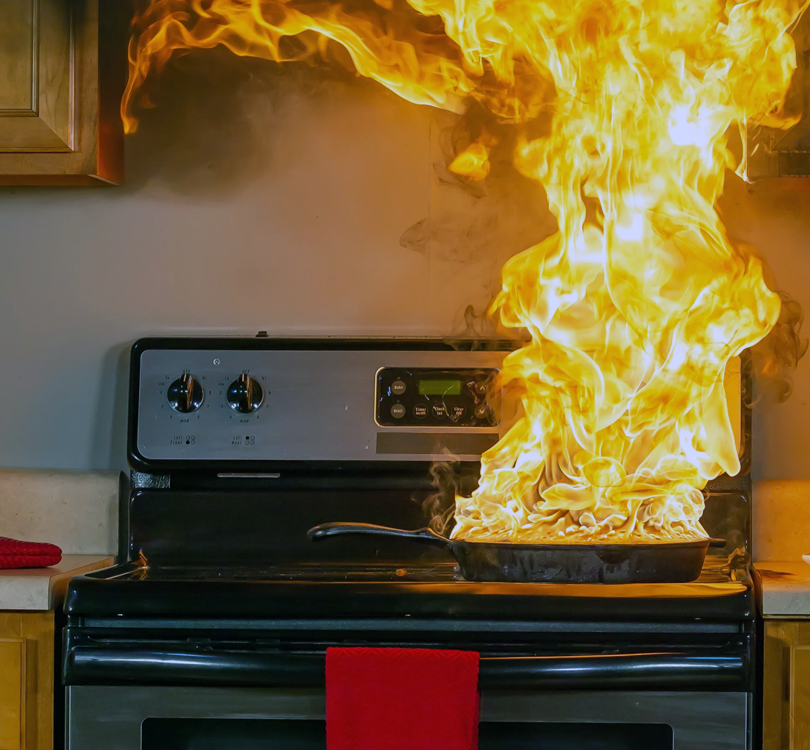
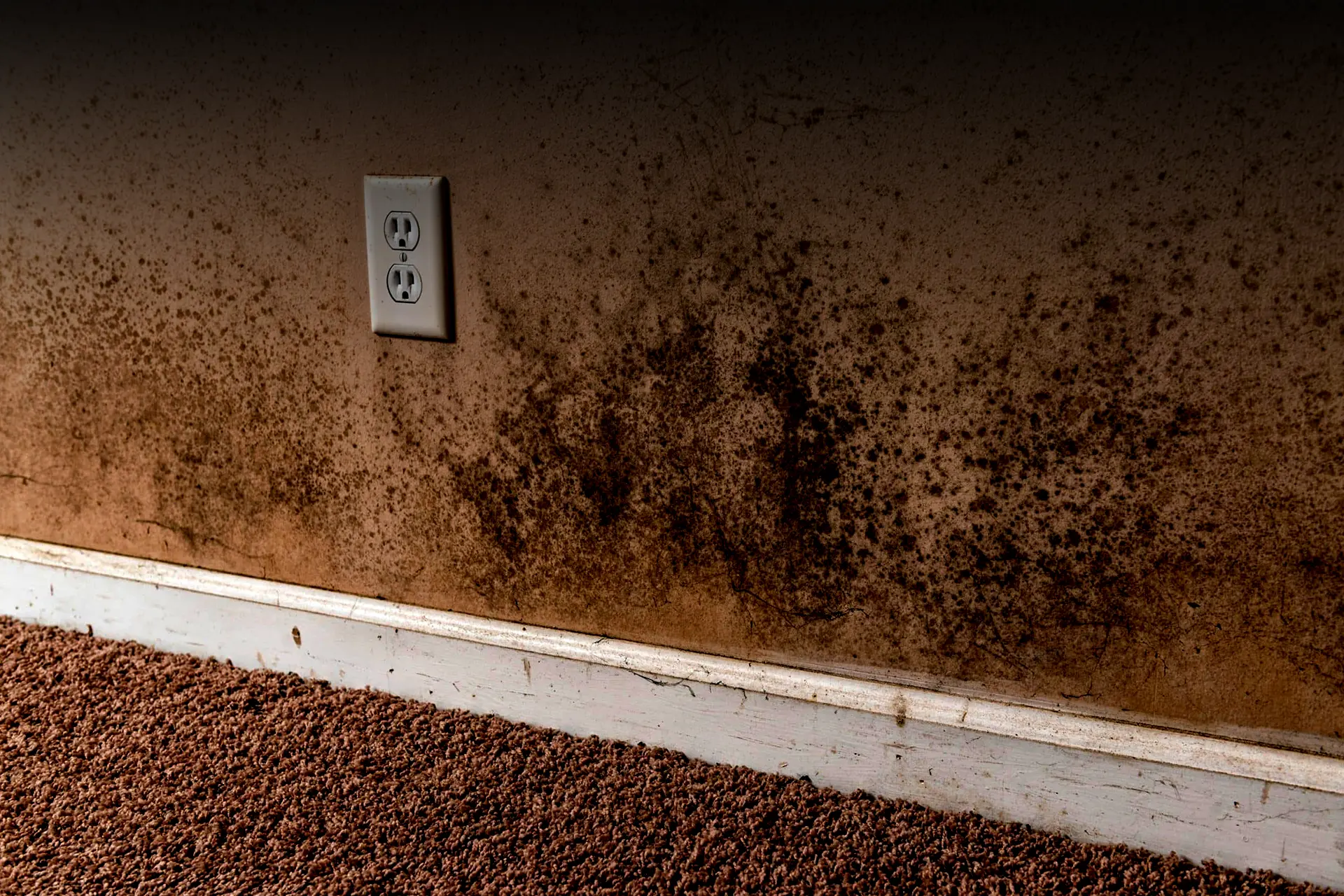
If you've been devastated by watermoldfire, and/or smoke damage, know that your cherished possessions, your home or business, can all be restored to pre-damage condition; bringing back your peace of mind.

Whether water, mold, fire, or smoke causes damage to your home or business, the effects are heartbreaking and often life-changing. We at All Clean Restoration understand the devastation and pain these events can cause. We also understand that quick and proper action is crucial to prevent further damage, red tape, and cost.

Call us any time, day or night:

1-800-4223944

Related Topics:

A flooded carpet sits in an awkward middle ground. It’s not as obviously salvageable as a tile floor, and not as obviously doomed as a soaked mattress. So when a pipe leaks, an appliance overflows, or water seeps into a finished basement, homeowners are left wondering: Can this carpet be saved, or am I tearing it all out?

The honest answer is it depends—on the water, the time, and the materials underneath. At All Clean Restoration, our carpet and rug drying service saves a great deal of carpet that homeowners assumed was ruined. But there are also cases where replacement is the safer call. Here’s how the decision actually gets made.

It Starts With the Water Type

The single most important factor isn’t how wet the carpet is—it’s what kind of water soaked it.

  • Category 1 (Clean Water): from a broken supply line or leaking faucet. Carpet has the best chance of being saved if drying starts quickly.
  • Category 2 (Grey Water): from a dishwasher, washing machine, or sump pump backup. Carpet may be salvageable with professional cleaning and sanitizing, but the pad usually needs replacement.
  • Category 3 (Black Water): from sewage backups or storm flooding. For health and safety, contaminated carpet and pad generally must be removed and disposed of. (See our guide on sewage backup cleanup.)

If the water was clean and you act fast, your odds are good. If it was contaminated, safety comes first.

The Clock Is the Other Deciding Factor

Even clean water becomes a problem if it sits. Carpet is the top layer of a multi-layer system: carpet, then padding, then subfloor. The padding underneath acts like a giant sponge, holding far more water than the carpet itself—and that’s where the “surface dry” illusion gets homeowners in trouble. The carpet can feel dry to the touch within a day while the pad and subfloor stay saturated, quietly growing mold.

Within roughly 24 to 48 hours, that trapped moisture starts incubating microbial growth. After that point, even a carpet that looks fine may need to come up so the layers beneath can be properly dried or replaced.

Why Box Fans Aren’t Enough

Here’s the trap with DIY drying: standard household fans are high-volume but low-pressure. They don’t generate the static pressure needed to push air through the carpet and pad down to the subfloor. So the surface dries, everyone moves on, and two months later the baseboards warp and a musty smell appears.

Professional carpet and rug drying works differently. We use truck-mounted extraction to physically pull water out of the carpet and pad, then deploy specialized air movers that create floor-hugging laminar airflow and industrial LGR dehumidifiers that keep the air dry enough for evaporation to actually continue. We monitor moisture content until the entire system—carpet, pad, and subfloor—is truly dry, not just dry on top.

When Replacement Is the Right Call

We’ll always be straight with you. Carpet generally needs to be replaced when:

  • It was soaked by Category 3 contaminated water
  • It sat wet long enough for mold to colonize the backing or pad
  • The padding is saturated (pad is inexpensive to replace and often not worth saving)
  • Delamination has occurred, where the carpet backing separates

Even when the carpet must go, professional cleanup ensures the subfloor beneath is dried and sanitized so your new carpet isn’t installed over a hidden moisture problem.

Don’t Forget What’s Around the Carpet

Water that soaked your carpet usually touched more than the floor. Our full water damage restoration service dries the whole affected area, wall and cabinet drying protects adjacent built-ins, and if any growth has started, our mold remediation team handles it safely.

Let a Pro Make the Call—Fast

If your carpet is soaked anywhere across our service area—from Highland and Millstadt to Belleville and St. Louis—don’t guess and don’t wait. The sooner we assess it, the more likely we can save it.

Call All Clean Restoration for emergency carpet drying:

  • Illinois: 618-235-3202
  • Missouri: 314-454-0442
  • Se Habla Español: 618-792-3633

Or contact us online for a free estimate. With wet carpet, hours decide everything.

Recent Blog Articles:

From a tiny, rhythmic drip-drip-drip on the ceiling to a full-scale structural disaster, water damage moves with terrifying speed. What starts as a small discoloration on your drywall can evolve into a costly emergency in just a matter of hours. Here is a look at the timeline of a leak and expert advice on how to stop a disaster in its tracks. At All Clean Restoration, we have spent over 45 years helping homeowners and business owners navigate the devastation and pain these events can cause. We know that when it comes to water, every second counts. The Anatomy of a Disaster: How Fast Does Water Damage Spread? Water is the "universal solvent," and it begins destroying building materials the moment it makes contact. The First Minutes: Water saturates carpets, upholstery, and insulation. It seeps into crevices in hardwood floors and begins wicking up drywall. The First 24 Hours: Drywall begins to swell and disintegrate. Metal surfaces may start to tarnish, and furniture can begin to crack or stain. Most importantly, mold and mildew can begin to colonize in as little as 24 to 48 hours. The First Week: Structural integrity is compromised. Wood swells and warps, and the musty odor of microbial growth becomes overwhelming. At this stage, the cost of property restoration skyrockets. Expert Advice: What to Do When You Spot a Leaky Roof A roof leak is often the silent precursor to a "black water" event or massive ceiling collapse. If you notice a stain or an active drip, follow these steps immediately: 1. Contain the Flow Place a bucket or waterproof container under the drip. To prevent splashing (which can damage nearby flooring), pin a piece of string to the ceiling and let the water travel down the string into the bucket. 2. Release the Pressure If you see a "bubble" forming in your ceiling paint, the water is pooling behind the drywall. Carefully use a small pin or screwdriver to puncture the center of the bubble. This releases the weight of the water, preventing the entire ceiling section from collapsing. 3. Protect Your Assets Move furniture, electronics, and valuables to a dry area immediately. If items are too heavy to move, use plastic sheeting to cover them. 4. Call for Professional Water Extraction Don't wait for the storm to stop. All Clean Restoration provides 24/7 emergency response. Our IICRC certified technicians use state-of-the-art moisture detection tools and infrared cameras to find where the water is hiding behind your walls and under your floors. Why All Clean Restoration? We aren't just a cleanup crew; we are a full-service residential and commercial property restoration company. We specialize in: Structural Drying: Using industrial-grade air movers and dehumidifiers to save your walls and framing. Hardwood Floor Drying: Specialized equipment designed to save your expensive flooring from "cupping" or warping. Insurance Claim Assistance: As an insurance carrier preferred company, we work directly with your adjuster to document the damage and streamline the claims process, reducing your stress. Don't Let a Drip Become a Disaster If your home or business has suffered water damage, you need a team that understands the science of drying. We serve the St. Louis and Metro East areas with rapid, professional service designed to get your life back to normal. Contact All Clean Restoration today for a free estimate or call our 24/7 Emergency Hotline at 1-800-422-3944!

The Anatomy of a Disaster: How Fast Does Water Damage Spread?

Here is a look at the timeline of a leak and expert advice on how to stop a disaster in its tracks. At All Clean Restoration, we have spent over 45 years helping homeowners and business owners navigate the devastation and pain these events can cause. We know that when it comes to water, every second counts.
Finding a patch of mold in your home or business can be a heart-stopping moment. For many, the first instinct is to grab a bottle of bleach and a scrub brush. However, what begins as a DIY weekend project often turns into a stressful, overwhelming ordeal that can actually make the problem worse.

The Hidden Stress of DIY Mold Removal

Finding a patch of mold in your home or business can be a heart-stopping moment. For many, the first instinct is to grab a bottle of bleach and a scrub brush. However, what begins as a DIY weekend project often turns into a stressful, overwhelming ordeal that can actually make the problem worse.
Whether it’s a burst pipe in St. Louis, a sump pump failure in Belleville, or unexpected flooding from a Midwest storm, one thing is certain: water damage doesn't wait.

The Ticking Clock: Why Your Home Can’t Wait 24 Hours After Water Damage

Whether it’s a burst pipe in St. Louis, a sump pump failure in Belleville, or unexpected flooding from a Midwest storm, one thing is certain: water damage doesn't wait.
At All Clean Restoration, we have seen firsthand how a single winter storm can cause thousands of dollars in property damage. Whether it’s a burst pipe in a crawlspace or water seepage from an ice dam on your roof, the key to saving your property—and your sanity—is acting fast.

The Hidden Dangers of Winter Water Damage After the Storm

At All Clean Restoration, we have seen firsthand how a single winter storm can cause thousands of dollars in property damage. Whether it’s a burst pipe in a crawlspace or water seepage from an ice dam on your roof, the key to saving your property—and your sanity—is acting fast.

All Clean Restoration's Other Services

Whether water, mold, fire, or smoke causes damage to your home or business, the effects are heartbreaking and often life-changing. We at All Clean Restoration understand the devastation and pain these events can cause. We also understand that quick and proper action is crucial to prevent further damage, red tape, and cost.

We are honored to help in your time of need.

We are committed to delivering exceptional customer service and restoring homes and businesses to their pre-loss condition. For more than 40 years throughout Southern Illinois, we've prioritized communication with our clients, walking them through the entire restoration process from the moment we arrive to walking back into their restored homes and offices.

618-235-3202

Licensed  |  Bonded  |  Insured