LICENSED | BONDED | INSURED
618-235-3202
Storm and Flood Cleanup in the Bi-State Metro: Surviving Illinois and Missouri’s Wild Weather

If you've been devastated by water, mold, fire, and/or smoke damage, know that your cherished possessions, your home or business, can all be restored to pre-damage condition; bringing back your peace of mind.
Whether water, mold, fire, or smoke causes damage to your home or business, the effects are heartbreaking and often life-changing. We at All Clean Restoration understand the devastation and pain these events can cause. We also understand that quick and proper action is crucial to prevent further damage, red tape, and cost.
Call us any time, day or night:
1-800-4223944
Related Topics:
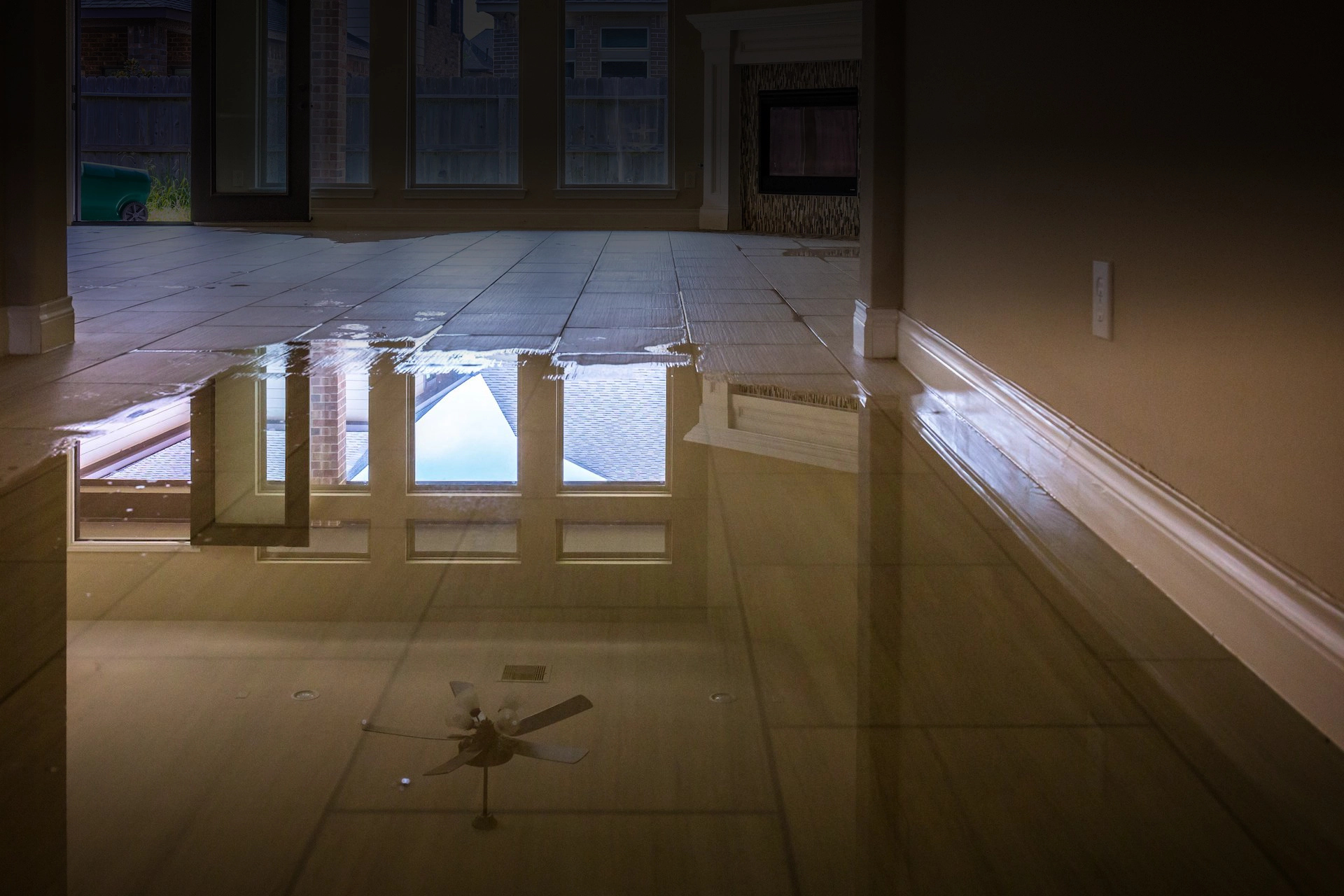
Few regions know severe weather like the Illinois–Missouri metro. Sitting near the confluence of the Mississippi and Missouri rivers, our communities face a punishing mix of flash floods, river flooding, torrential spring rains, and violent thunderstorms. When the water rises, it doesn’t ask permission—and homes and businesses from Alton to St. Louis can take on water in a matter of hours.
At All Clean Restoration, we’ve spent more than 45 years helping Bi-State families and businesses recover from storm flooding. Here’s what every property owner in our region should understand about flood cleanup—and why the steps you take in the first hours matter so much.
Why Storm Flooding Is Especially Dangerous
Storm and flood water is rarely “clean.” As floodwater moves across the ground and through storm systems, it picks up sewage, chemicals, fuel, bacteria, and debris. This makes most flood water Category 3, or “black water”—the most hazardous classification, carrying real risks of E. coli, hepatitis, and other pathogens. (We cover this in depth in our guide to the most dangerous water damage you can face.)
This is why DIY flood cleanup is so risky. Standing in contaminated water, handling soaked materials without protective equipment, and failing to properly disinfect surfaces can turn a property loss into a health hazard for your whole family.
Staying Safe Before, During, and After the Storm
Before the water rises:
- Move valuables, documents, and electronics off the ground floor and out of the basement.
- Know where your main electrical panel and water shut-off are.
- Review our 15 water-damage prevention steps for longer-term protection.
After the storm:
- Don’t enter standing water if it may be in contact with electrical systems. Electrocution is a leading cause of flood injuries.
- Don’t assume the water is clean. Treat all flood water as contaminated.
- Avoid using electrical appliances that were submerged until they’ve been inspected.
- Document everything with photos and video before cleanup begins—your insurance claim depends on it.
- Call for professional flood cleanup immediately. The 24-hour clock to mold starts the moment the water settles.
How Professional Flood Cleanup Works
When our crews arrive—within 30 minutes, 24/7—we follow a proven process:
- Safety assessment and water categorization to determine the right protective measures.
- **Rapid water extraction and removal** using truck-mounted vacuum systems that pull thousands of gallons fast. Physically extracting water is over a thousand times more efficient than waiting for it to evaporate.
- Removal and disposal of unsalvageable contaminated materials.
- Structural drying with industrial LGR dehumidifiers and high-velocity air movers to dry walls, subfloors, and framing.
- Hospital-grade sanitization of all affected surfaces to eliminate the bacteria and pathogens floodwater leaves behind.
- Mold prevention and remediation where moisture has lingered—handled by our mold removal team.
Along the way, our specialists work to salvage what they can: carpets and rugs, hardwood floors, and cabinets and built-ins can often be saved when we’re called early.
Local Knowledge Makes the Difference
A storm-recovery team that knows our region is a real advantage. We understand the architecture of older Belleville and St. Louis homes, the way water moves through local basements and crawlspaces, and the realities of our humid climate. We’ve also spent four decades building relationships with insurance adjusters across Illinois and Missouri, so we know exactly what they need to approve your claim quickly.
When the Water Rises, Call the Team That Knows the Bi-State
From Godfrey, East Alton, and Granite City to Belleville, Waterloo, and across the river into St. Louis, All Clean Restoration responds to storm and flood damage around the clock. See our full service area to confirm we cover your community.
Call All Clean Restoration for storm and flood cleanup:
- Illinois: 618-235-3202
- Missouri: 314-454-0442
- Se Habla Español: 618-792-3633
Or contact us online for a free estimate. After a flood, fast, safe cleanup protects both your property and your health.
Recent Blog Articles:

Water Damage Cleanup Done Right: A Step-by-Step Guide to What Professionals Actually Do

Emergency Water Removal: The 30-Minute Window That Determines Everything

What Is Water Remediation — And Why It’s Not the Same as Just Drying Things Out

Hardwood Floor Water Damage: Can Your Floors Be Saved?
All Clean Restoration's Other Services
Whether water, mold, fire, or smoke causes damage to your home or business, the effects are heartbreaking and often life-changing. We at All Clean Restoration understand the devastation and pain these events can cause. We also understand that quick and proper action is crucial to prevent further damage, red tape, and cost.

Licensed | Bonded | Insured