LICENSED | BONDED | INSURED
618-235-3202
The Silent Culprits: Water Heater, Washing Machine, and Appliance Leaks

If you've been devastated by water, mold, fire, and/or smoke damage, know that your cherished possessions, your home or business, can all be restored to pre-damage condition; bringing back your peace of mind.
Whether water, mold, fire, or smoke causes damage to your home or business, the effects are heartbreaking and often life-changing. We at All Clean Restoration understand the devastation and pain these events can cause. We also understand that quick and proper action is crucial to prevent further damage, red tape, and cost.
Call us any time, day or night:
1-800-4223944
Related Topics:
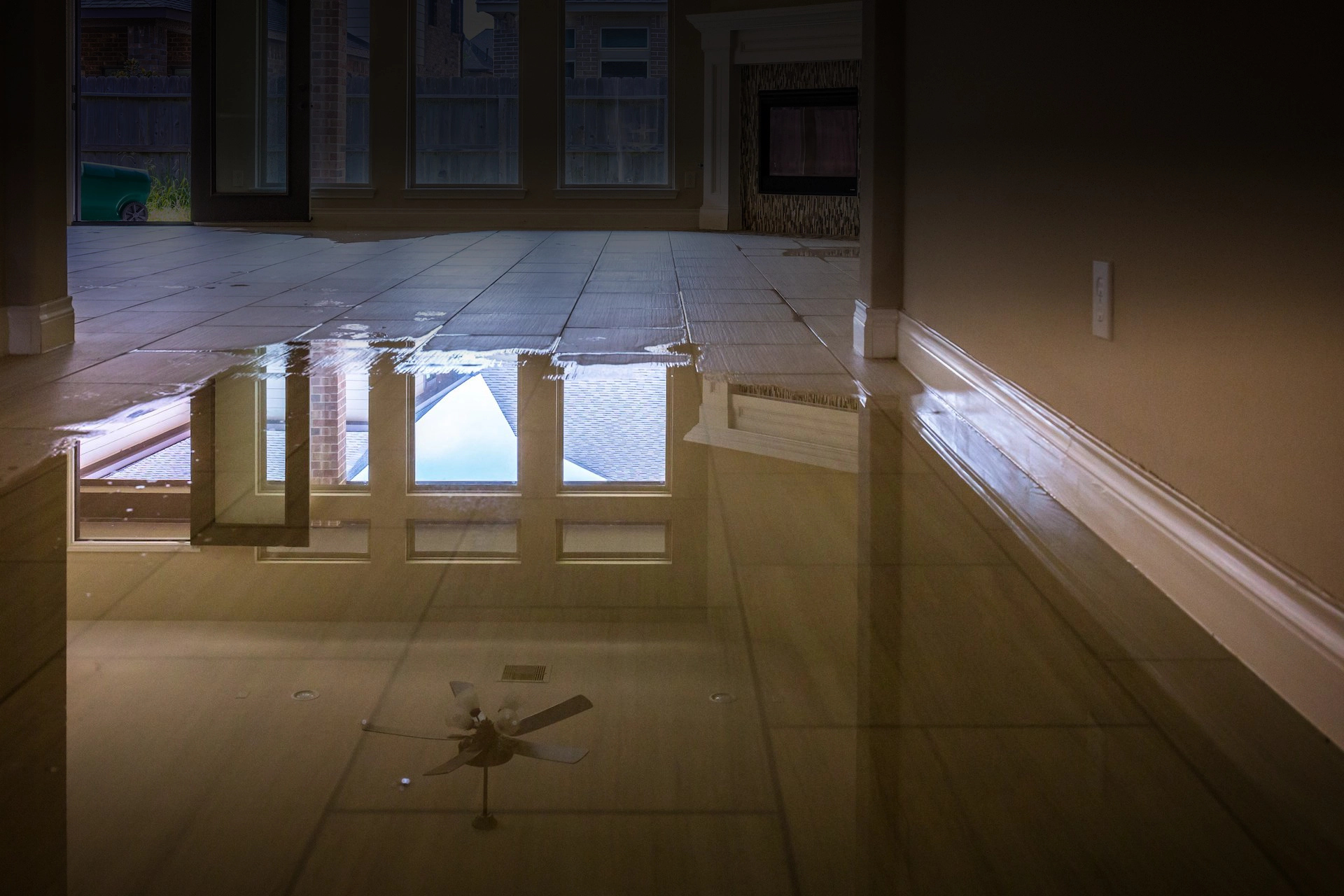
When people picture water damage, they imagine dramatic events—a burst pipe, a flooded basement, a storm. But some of the most destructive losses we respond to at All Clean Restoration start with something far more ordinary: a worn-out washing machine hose, an aging water heater, or a dishwasher that quietly leaks behind the cabinet for weeks.
These appliances sit in our homes doing their jobs every day, and we rarely think about the gallons of water flowing through them. When one fails, it can release a steady stream—or a sudden flood—into your floors, walls, and cabinets. Here are the silent culprits worth watching, and what to do when one strikes.
The Water Heater: A Ticking Clock in Your Utility Room
A typical water heater holds 40 to 50 gallons and lasts 8 to 12 years. As the tank ages, internal corrosion eventually wins—and when a water heater fails, it can dump its entire contents at once, then keep refilling and leaking until someone shuts off the supply.
Warning signs: rust-colored water, puddles or dampness around the base, popping or rumbling noises, and water that won’t get hot. If your heater is over a decade old, watch it closely and know where its shut-off valve is.
Washing Machines: Hoses Are the Weak Link
The rubber supply hoses behind your washing machine are under constant water pressure—even when the machine is off. Over time they crack, bulge, and eventually burst, releasing water at full pressure until someone notices. A washing machine hose failure while you’re at work can release hundreds of gallons across your laundry room and into adjacent rooms and basements.
Prevention: replace rubber hoses with braided stainless-steel ones, and replace them every 5 years regardless. Turn off the supply valves if you’ll be away for an extended trip.
Dishwashers and Refrigerator Ice Makers: The Slow Leaks
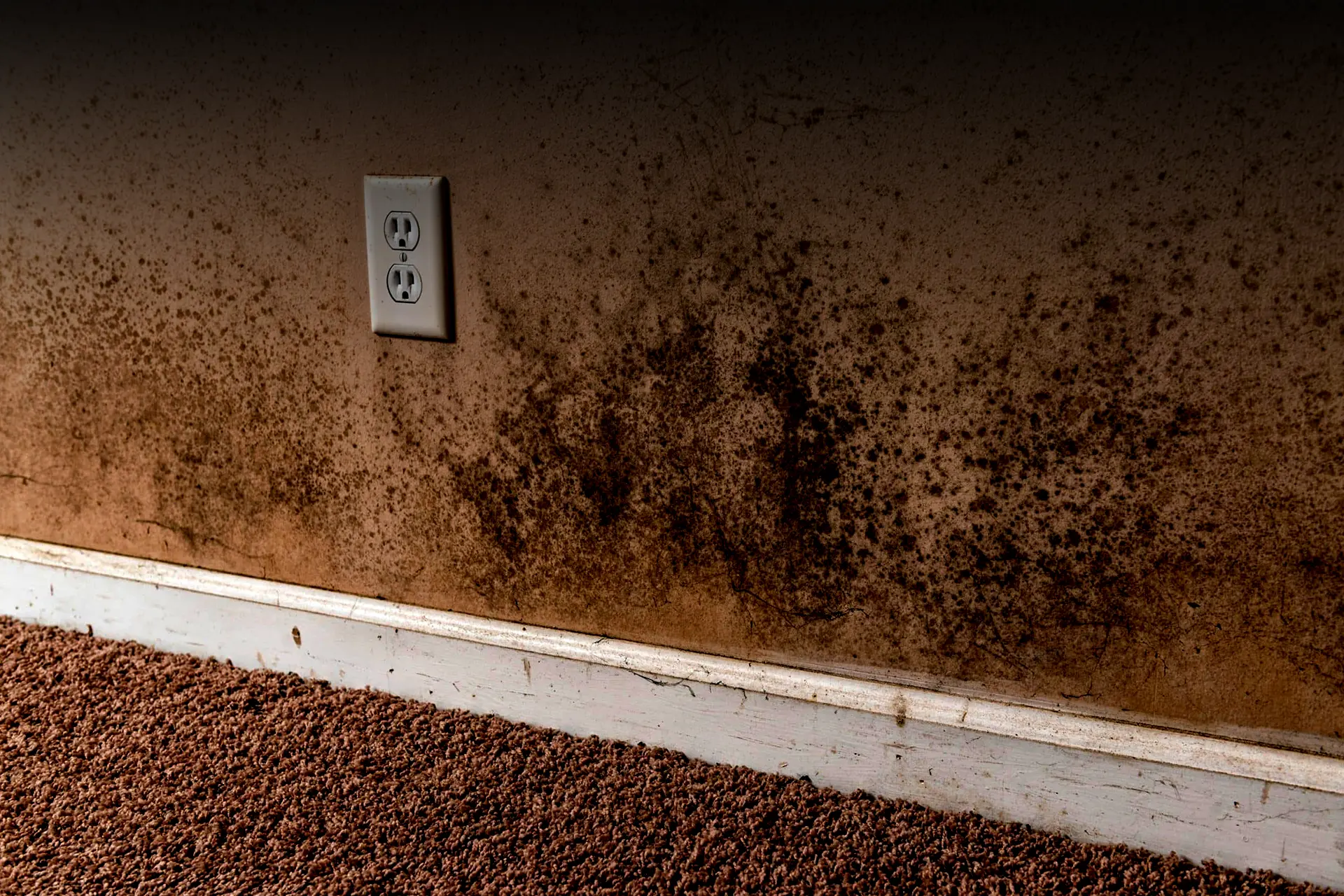
These are the sneaky ones. A dishwasher seal or a refrigerator ice-maker line can leak slowly for weeks or months, hidden behind or beneath the appliance. By the time you notice warped flooring or a musty smell, water has already soaked the subfloor and cabinetry—and mold may have started. This is exactly the kind of hidden, prolonged moisture that leads to the hidden mold problems we frequently remediate.
Air Conditioners and HVAC Condensate Lines
In our hot, humid Bi-State summers, air conditioners pull enormous amounts of moisture from the air—and that water has to go somewhere. When a condensate drain line clogs or a pan overflows, water can leak into ceilings, walls, and floors, often from an attic or closet unit where it goes unnoticed until stains appear.
Toilets, Sinks, and Tub Overflows
A running or overflowing toilet, a sink overflow, or a forgotten bathtub can release a surprising volume of water fast. Upstairs bathroom overflows are especially damaging because water travels down through ceilings and walls to the floor below.
What to Do When an Appliance Floods Your Home
- Shut off the water—either the appliance’s local valve or the home’s main valve.
- Cut power to the area if water is near outlets or the electrical panel (only if you can do so safely).
- **Call for professional water damage cleanup** right away. Even “clean” water becomes a mold risk within 24 hours.
- Document the damage with photos before moving anything—useful for both insurance claims and warranty claims.
Why Professional Cleanup Beats the Shop-Vac
Appliance leaks almost always send water into hidden places—under cabinets, into wall cavities, beneath flooring. A shop vac and fans dry the surface while the structure stays wet. Our water damage restoration team uses truck-mounted extraction and industrial dehumidifiers to remove the moisture you can’t see, while specialized carpet and rug drying and wall and cabinet drying save the materials around the leak.
A Small Leak Is a Small Window. Don’t Wait.
From Maryville and Troy to Belleville, O’Fallon, and St. Louis, All Clean Restoration responds to appliance leaks and overflows 24/7. Check our service area to confirm we cover your town.
Call All Clean Restoration when an appliance leaks:
- Illinois: 618-235-3202
- Missouri: 314-454-0442
- Se Habla Español: 618-792-3633
Or contact us online for a free estimate. The faster you call, the less it costs.
Recent Blog Articles:

Navigating the Aftermath: A Guide to Flood Damage Moisture Control

From Chaos to Clean: Your Guide to Fire Damage Restoration in Illinois and Missouri

The Silent Threat: How a Leaking Water Heater Could Be a Ticking Time Bomb

Mold is Back? Here’s Why Mold Remediation Isn’t Just a One-Time Fix
All Clean Restoration's Other Services
Whether water, mold, fire, or smoke causes damage to your home or business, the effects are heartbreaking and often life-changing. We at All Clean Restoration understand the devastation and pain these events can cause. We also understand that quick and proper action is crucial to prevent further damage, red tape, and cost.

Licensed | Bonded | Insured