LICENSED | BONDED | INSURED
618-235-3202
Water Damage Prevention: 15 Things Every Southern Illinois Homeowner Should Do Right Now

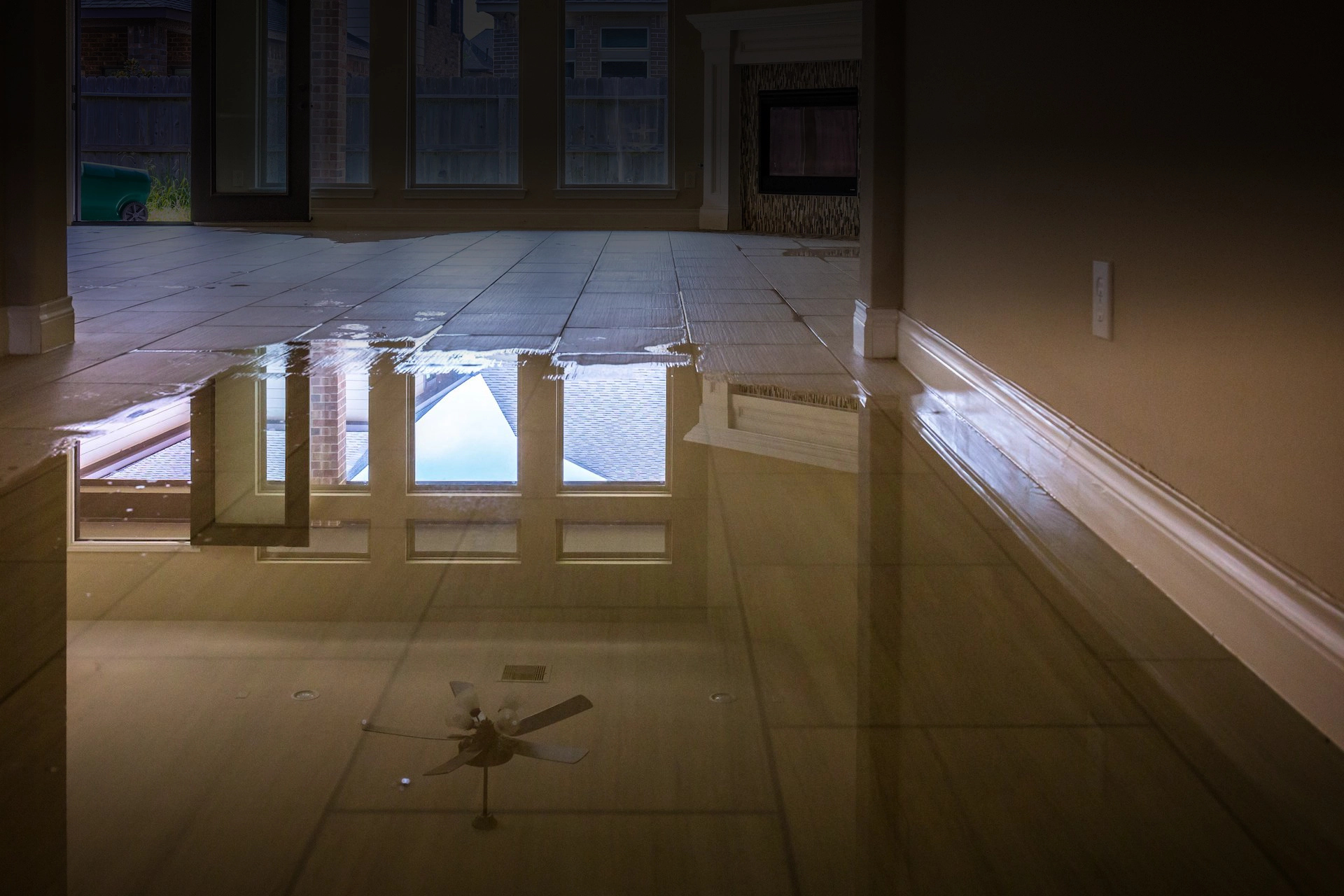
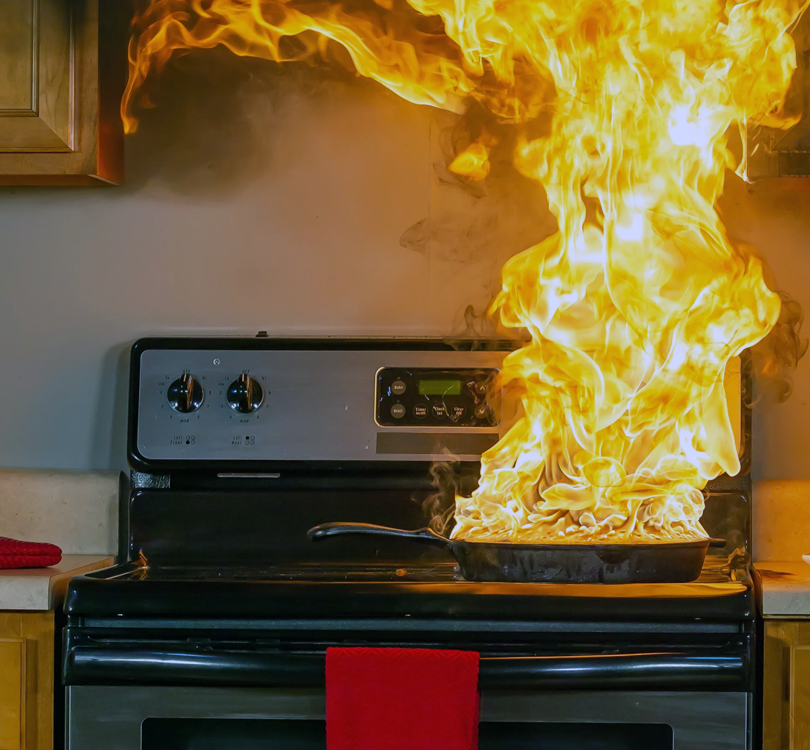
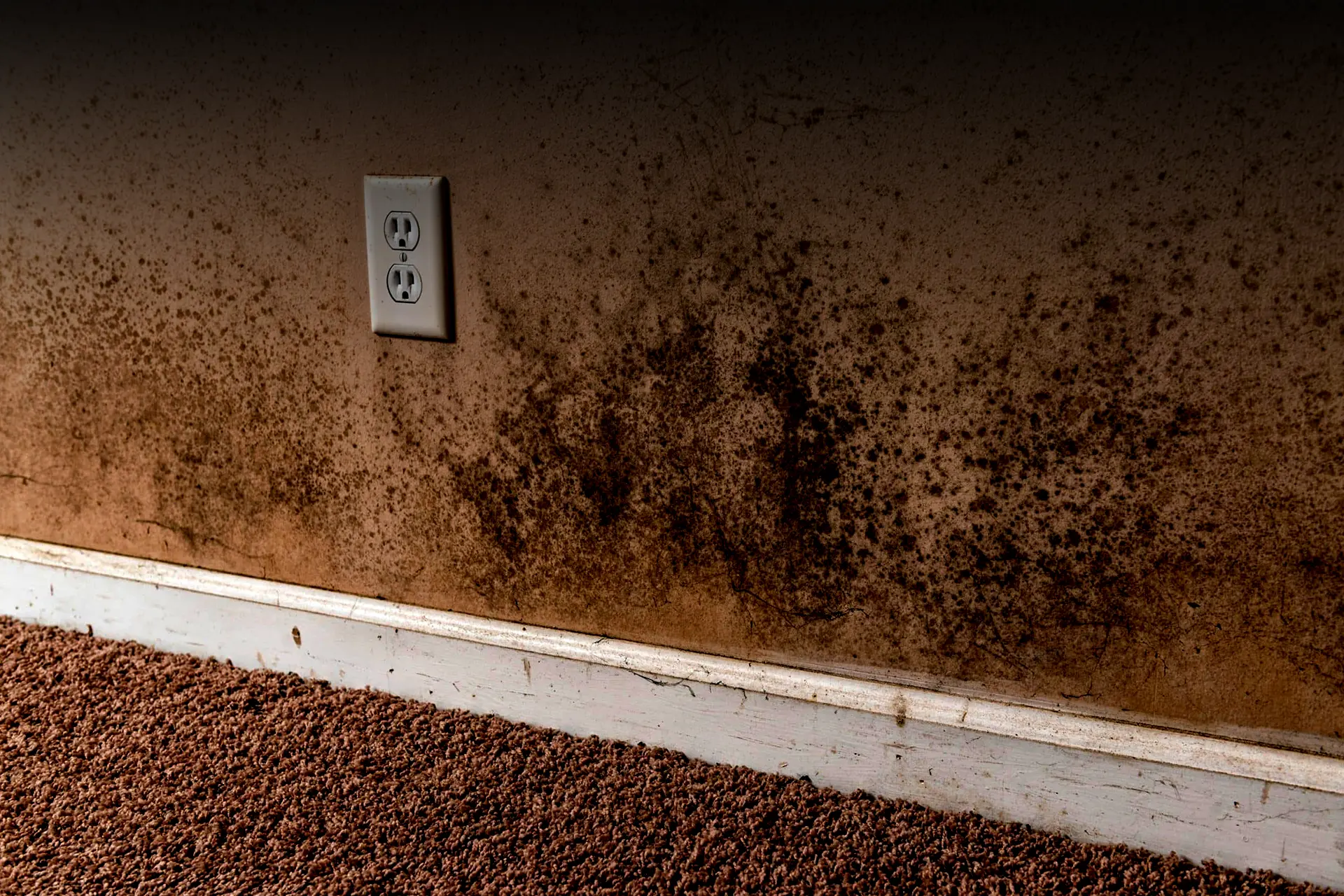
If you've been devastated by water, mold, fire, and/or smoke damage, know that your cherished possessions, your home or business, can all be restored to pre-damage condition; bringing back your peace of mind.
Whether water, mold, fire, or smoke causes damage to your home or business, the effects are heartbreaking and often life-changing. We at All Clean Restoration understand the devastation and pain these events can cause. We also understand that quick and proper action is crucial to prevent further damage, red tape, and cost.
Call us any time, day or night:
1-800-4223944
Related Topics:
At All Clean Restoration, we respond to water damage emergencies every day — and over 45 years, certain causes come up again and again. Many of them were preventable. The good news is that most water damage prevention measures are inexpensive, straightforward, and something any homeowner can implement.
Here are 15 things every Southern Illinois homeowner should do right now to reduce their risk of water damage — before the next heavy rain, cold snap, or appliance failure strikes.
- Install a Sump Pump Battery Backup System
Your sump pump is your first line of defense against basement flooding — and it fails during power outages, which happen at the same time as the storms that flood basements. A battery backup system or water-powered backup sump pump ensures your basement keeps draining even when the lights go out. This is one of the single highest-value water damage prevention investments a Southern Illinois homeowner can make.
- Test Your Sump Pump Twice a Year
Pour water into the sump pit to confirm the float activates the pump and it discharges properly. Do this in spring before storm season and in fall before winter. A sump pump that fails silently is worse than no sump pump — you’ll have false confidence during the event that matters most.
- Inspect and Clean Your Gutters and Downspouts Every Spring and Fall
Clogged gutters overflow against your foundation, saturating the soil and driving water toward your basement walls. Downspouts should discharge at least 4–6 feet away from the foundation — not into a splash block against the house.
- Grade Your Yard Away From the Foundation
Soil immediately adjacent to your foundation should slope away from the house at a rate of approximately 1 inch per foot for at least 6 feet. Positive grading toward the house is one of the leading causes of chronic foundation moisture infiltration. The U.S. Department of Housing and Urban Development includes proper grading as a standard home inspection item for this reason.
- Know Where Your Main Water Shutoff Is
Every member of your household should know how to locate and operate the main water shutoff valve. In a burst pipe emergency, shutting off the water immediately can mean the difference between a manageable cleanup and a catastrophic loss.
- Insulate Pipes in Unheated Spaces
Frozen pipe failures are one of the most common winter water damage events in Illinois. Pipes in unheated crawlspaces, garages, exterior walls, and attics are most vulnerable. Foam pipe insulation costs just a few dollars per linear foot and can prevent thousands of dollars in damage.
- Disconnect Garden Hoses Before Winter
A garden hose left connected to an outdoor spigot traps water in the pipe behind the spigot, which can freeze and burst the pipe — often inside the wall where you don’t discover it until the damage is done.
- Replace Washing Machine Supply Hoses Every 5 Years
Rubber washing machine supply hoses are among the most common appliance-related sources of significant home water damage. They can burst without warning — and they’re often left connected to full water pressure 24/7. Replace rubber hoses with braided stainless steel hoses, which are far more durable and far less likely to fail.
- Inspect Your Water Heater Annually
Water heaters that are approaching or past their expected 8–12 year lifespan can fail suddenly and catastrophically. Inspect the unit and the surrounding area for signs of corrosion, rust staining, or mineral deposits. Consider installing a water heater pan with a drain line if your water heater is on an upper floor.
- Check Caulking Around Tubs, Showers, and Windows
Failed caulking around shower pans, bathtub surrounds, and windows is one of the most common sources of slow water infiltration that eventually causes significant damage to walls, subfloors, and structural members. Re-caulk annually or any time the caulk shows cracking, shrinking, or separation.
- Monitor Your Water Bill for Unexplained Increases
A sudden increase in your water bill with no corresponding increase in usage is often the first detectable sign of a hidden plumbing leak. Don’t ignore it — investigate it.
- Install Water Detection Sensors
Inexpensive water detection sensors (available for as little as $20–$40 at hardware stores) placed near water heaters, under sinks, behind washing machines, and in basement areas can alert you to leaks before they become disasters. The Insurance Information Institute consistently lists water detection sensors among the highest-ROI home technology investments for water damage prevention.
- Have Your Sewer Lateral Inspected If Your Home Is More Than 20 Years Old
Tree root infiltration and deterioration of aging clay or cast iron sewer laterals is a leading cause of sewage backup in older Southern Illinois homes. A professional camera inspection of your sewer lateral (typically $150–$300) can identify problems before they result in a basement full of sewage.
- Purchase Sewer Backup Coverage for Your Homeowners Policy
As we discussed in our insurance post, standard homeowners insurance typically excludes sewer backup. The endorsement costs very little relative to what sewer backup cleanup costs. Call your insurance agent today.
- Know Who to Call When Prevention Fails
Even perfect prevention doesn’t guarantee you’ll never have a water damage event. Storms intensify. Old pipes fail unexpectedly. Equipment wears out. When water damage happens despite your best prevention efforts, the difference between a manageable event and a catastrophe is often how fast you call for professional help.
All Clean Restoration is available 24/7, with a 30-minute response time anywhere in our service area — from Belleville and O’Fallon to Millstadt, Granite City, and St. Louis, MO. Free estimates. Full insurance claim assistance. IICRC certified. Call us at 618-235-3202 — before you need us, and immediately when you do.
Recent Blog Articles:

Water Damage and Mold: Understanding the Link That Protects Your Family

Basement Flooding in Southern Illinois: Causes, Consequences, and What to Do Right Now

Water Damage Cleanup Done Right: A Step-by-Step Guide to What Professionals Actually Do

Emergency Water Removal: The 30-Minute Window That Determines Everything
All Clean Restoration's Other Services
Whether water, mold, fire, or smoke causes damage to your home or business, the effects are heartbreaking and often life-changing. We at All Clean Restoration understand the devastation and pain these events can cause. We also understand that quick and proper action is crucial to prevent further damage, red tape, and cost.

Licensed | Bonded | Insured