LICENSED | BONDED | INSURED
618-235-3202
Water Damage to Your Subfloor: The Damage You Can’t See

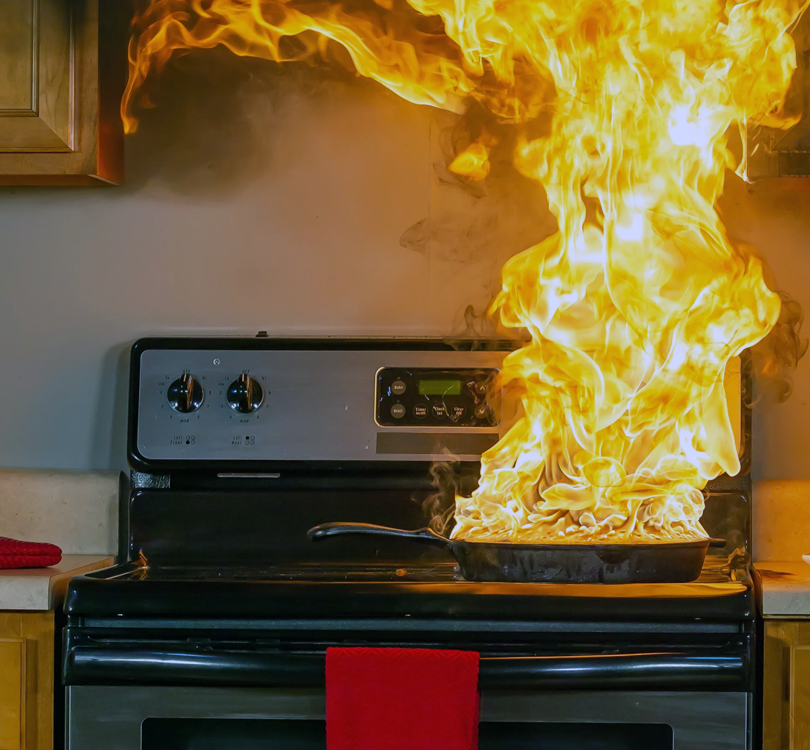
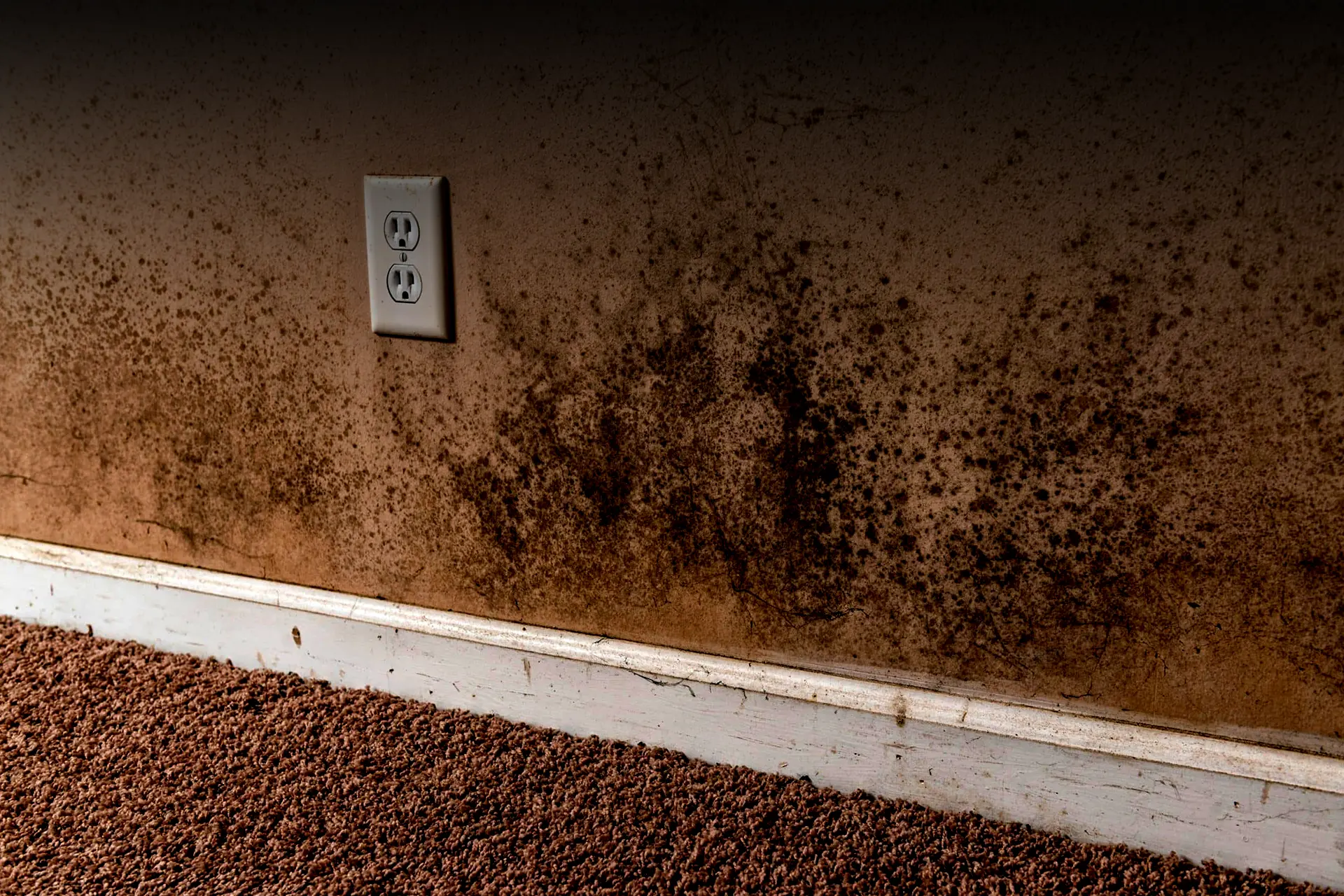
If you've been devastated by water, mold, fire, and/or smoke damage, know that your cherished possessions, your home or business, can all be restored to pre-damage condition; bringing back your peace of mind.
Whether water, mold, fire, or smoke causes damage to your home or business, the effects are heartbreaking and often life-changing. We at All Clean Restoration understand the devastation and pain these events can cause. We also understand that quick and proper action is crucial to prevent further damage, red tape, and cost.
Call us any time, day or night:
1-800-4223944
Related Topics:
Your floor feels soft in one spot. The tile has a hollow sound when you tap it, or the laminate is cupping at the edges. The surface looks mostly fine — but something underneath isn’t.
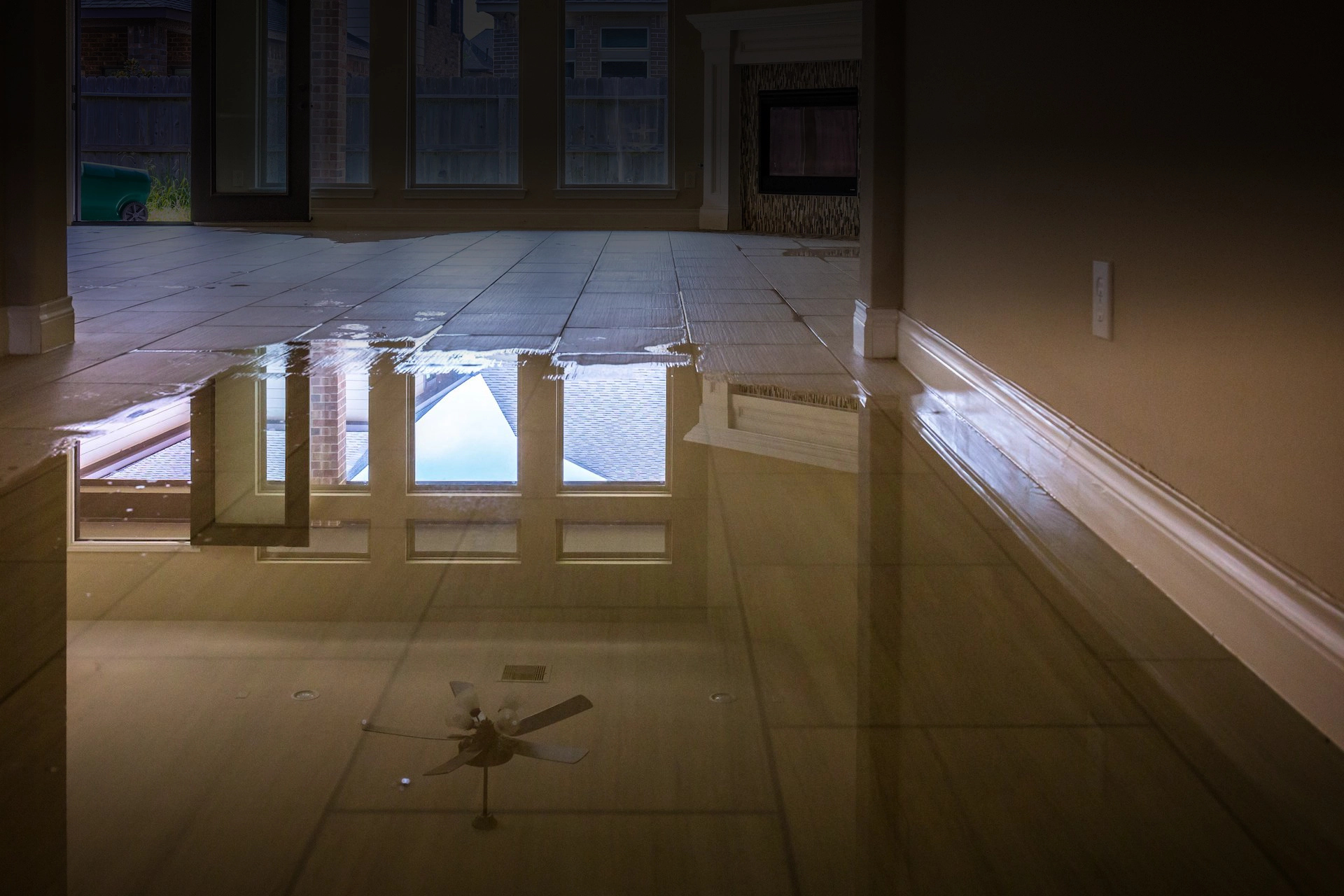
Here’s what’s happening below. Subfloor water damage is water soaking into the structural layer beneath your finished floor. Because it hides under the surface, it can rot, warp, and weaken the floor before you notice. All Clean Restoration dries and restores damaged subfloors across the Metro East and St. Louis.
What Is the Subfloor, and Why Does It Matter?
The subfloor is the structural layer between your joists and your finished floor. It’s usually plywood or OSB, and it carries the weight of everything on top.
When it gets wet, the whole floor is at risk. A soft subfloor means an unstable floor — and eventually, a floor that fails.
What Are the Signs of Subfloor Water Damage?
The finished floor gives away what’s happening beneath it. Look and listen for:
- Soft or spongy spots when you walk across the room.
- Cupping or buckling in hardwood or laminate.
- Loose or hollow-sounding tile where the bond has failed.
- Squeaks and creaks that weren’t there before.
- A musty smell rising from the floor.
- Staining that shows through the finished surface.
If the floor moves under your feet, the layer below has likely taken on water.
How Does Water Reach the Subfloor?
It usually comes from an ongoing or hidden source. Common causes include:
- Appliance and plumbing leaks — dishwashers, water heaters, and supply lines.
- Overflows from toilets, tubs, and sinks that soak in before cleanup.
- A slab or foundation leak wicking up from below.
- Basement or crawlspace flooding.
A toilet overflow or a slow appliance leak can quietly reach the subfloor long before you see damage on the surface.
Can a Water-Damaged Subfloor Be Saved?
Often, if you catch it in time. A subfloor that’s wet but structurally sound can frequently be dried and saved.
A subfloor that’s been wet for weeks — soft, delaminating, or rotting — usually needs replacement. The key is how fast you act. Caught early, drying saves it. Left alone, water wins, the same way it does when DIY cleanup leaves moisture behind.
How Do Professionals Dry a Subfloor?
We reach the moisture without tearing up your whole floor when we can. Here’s the approach:
- Locate the water with moisture meters and thermal imaging.
- Lift or vent the finished floor as needed to reach the subfloor.
- Dry from below and above with air movers and dehumidifiers.
- Verify the moisture level meets the IICRC standard before closing up.
- Replace what can’t be saved and restore the finished floor.
For wood floors especially, our wood floor drying service can often save the surface and the subfloor together — no full tear-out. It’s the same care behind our approach to hardwood floor water damage.
We help homeowners across Southern Illinois and St. Louis, from Bethalto to Millstadt. See the service area or get an assessment.
A soft floor is a warning. Call before it fails. All Clean Restoration finds subfloor moisture and dries it to a verified standard. A real person answers 24/7, 365 days a year — holidays and weekends included. Licensed. Bonded. Insured. IICRC-certified. BBB A+. Serving Southern Illinois and the St. Louis Metro since 1981. Illinois: 618-235-3202 · Missouri: 314-454-0442 · Se Habla Español: 618-792-3633
Recent Blog Articles:

Protect Your Health: Recognizing and Addressing Mold in Your Home

To Repair or Replace? Understanding Smoke Damage in Drywall

Beyond the Surface: The Hidden Dangers of Water Damage and Why Time Matters

Don’t Let Your Cool Comfort Turn into Costly Water Damage: A/C Maintenance Tips from All Clean Restoration
All Clean Restoration's Other Services
Whether water, mold, fire, or smoke causes damage to your home or business, the effects are heartbreaking and often life-changing. We at All Clean Restoration understand the devastation and pain these events can cause. We also understand that quick and proper action is crucial to prevent further damage, red tape, and cost.

Licensed | Bonded | Insured