LICENSED | BONDED | INSURED
618-235-3202
Why Moisture Barriers are Essential for Your Home: Preventing Mold, Rot, and More

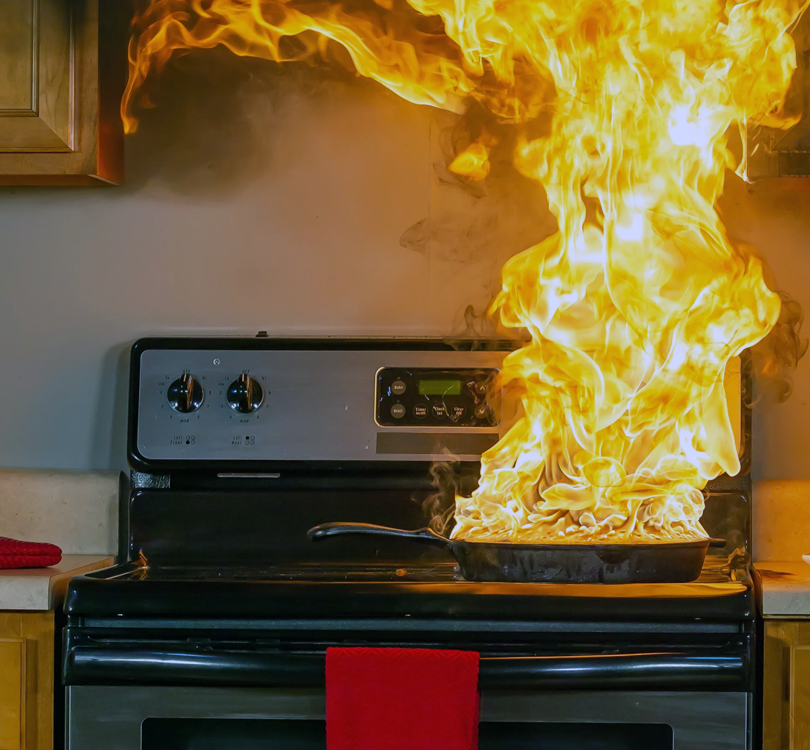
If you've been devastated by water, mold, fire, and/or smoke damage, know that your cherished possessions, your home or business, can all be restored to pre-damage condition; bringing back your peace of mind.
Whether water, mold, fire, or smoke causes damage to your home or business, the effects are heartbreaking and often life-changing. We at All Clean Restoration understand the devastation and pain these events can cause. We also understand that quick and proper action is crucial to prevent further damage, red tape, and cost.
Call us any time, day or night:
1-800-4223944
Related Topics:
At All Clean Restoration, we understand that building a dream home or completing a successful renovation involves much more than just aesthetics. It’s about creating a safe and healthy environment for your family, and that’s where moisture barriers come in.
Beyond the Basics: A Deeper Look at Waterproofing
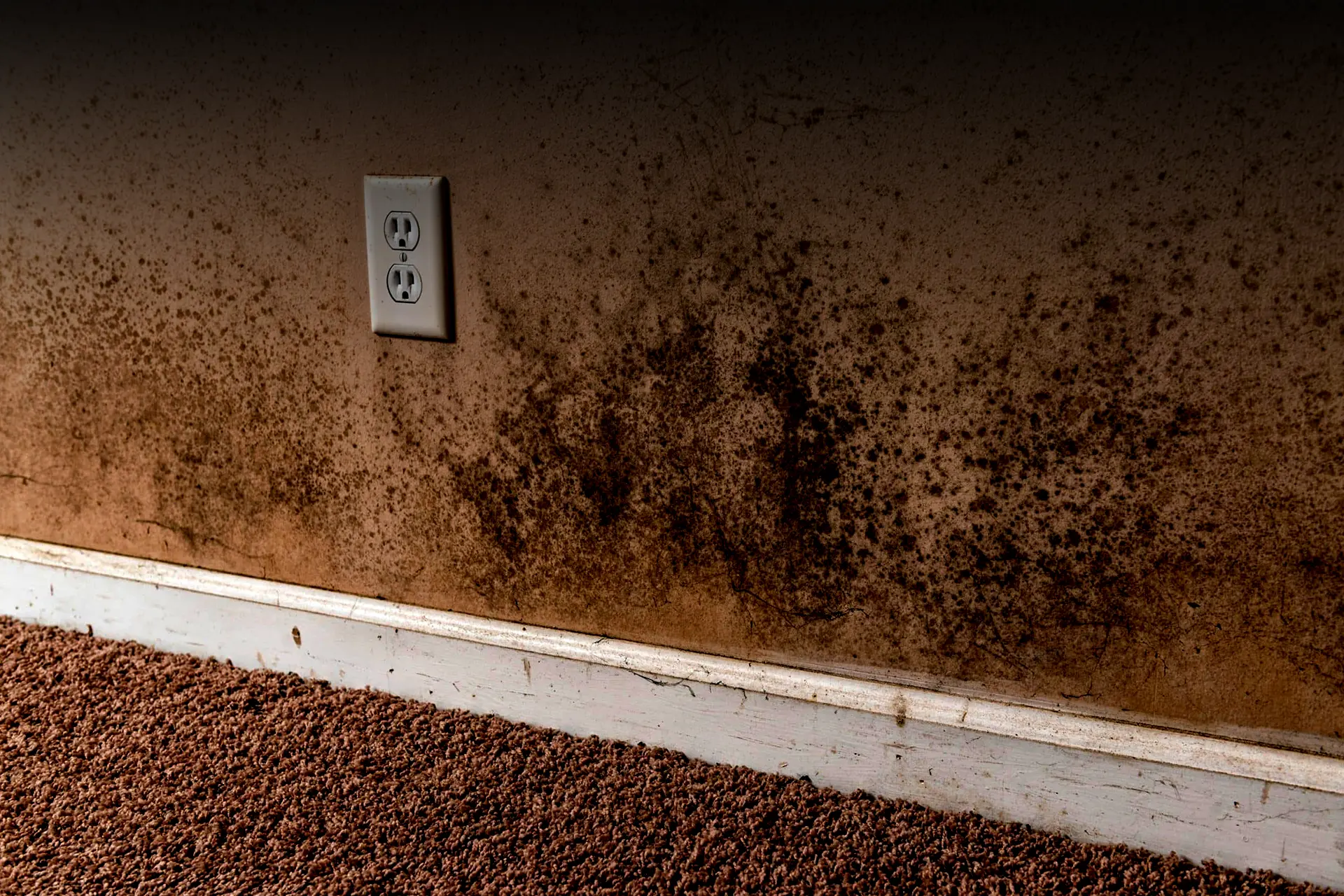
While basic waterproofing like flooring and electrical protection might seem sufficient, it’s just the tip of the iceberg. Moisture barriers play a crucial role in safeguarding your investment by preventing water intrusion and the subsequent growth of mold and mildew.
Protecting Your Home from the Inside Out
During construction or remodeling, moisture barriers are installed in critical areas like walls and under floors. These special membranes act as shields, preventing even the smallest amounts of moisture from entering and potentially leading to unseen mold infestations.
Humidity: A Silent Threat, Even in Small Doses
While preventing water vapor from humidity might not seem like a top priority, even small amounts can cause significant damage to your home’s structure. This creates the perfect breeding ground for mold and mildew, especially during warm, humid summers when spores are abundant. Addressing these issues can be challenging and costly without professional help, making proactive prevention through moisture barriers crucial.
Do You Need a Moisture Barrier?
If you’re building a new home or remodeling, you likely need a moisture barrier for your walls and floors. This construction-grade membrane protects vulnerable materials like wood and drywall from mold and water damage.
A Common Misconception: Moisture Barriers for All Climates
Contrary to popular belief, moisture barriers are essential in all climates, not just those with high humidity or flooding risks. The specific type and installation method will depend on your environment.
Placement Matters: Inside vs. Outside
The ideal placement of a moisture barrier depends on your climate. In colder climates, where moisture originates inside the home due to heating, the barrier goes between the drywall and insulation of exterior walls.
Hot and Humid Climates: Keeping Moisture Out
Conversely, in hot, humid climates, the barrier is installed between the exterior wall and the insulation to prevent moisture from permeating the structure.
Beyond Basements: Additional Protection Areas
Investing in a moisture barrier for your basement or crawlspace is wise regardless of your climate. Additionally, consider adding one under flooring and behind drywall in high-moisture areas like kitchens and bathrooms.
More than Just Moisture Control: Insect Defense
Moisture barriers also offer an added benefit – insect protection. Termites and carpenter ants, attracted to moisture, can cause significant structural damage to your home. While the barrier acts as a physical deterrent, its true value lies in preventing the moisture they need to thrive.
Moisture Barrier vs. Vapor Barrier: Understanding the Difference
The terms “moisture barrier” and “vapor barrier” are often used interchangeably in the construction industry. While both aim to prevent moisture from entering your home, they might differ in material composition.
Moisture vs. Vapor: Key Distinctions
Moisture barriers are better at keeping out liquids, while vapor barriers are better at keeping out water in its gaseous state.
Material Classification and Permeability Ratings
Moisture barriers are categorized based on their permeability rating as defined by the International Residential Code:
- Class 1: Highly effective materials like metal, glass, and polyethylene sheets.
- Class 2: Materials like extruded polystyrene and plywood.
- Class 3: Materials like gypsum board, concrete blocks, and house wrap.
A Wise Investment for a Healthy Home
Whether you’re renovating an existing home or building your dream home from scratch, a moisture barrier is a sound investment. It safeguards your home’s structural integrity, prevents mold, mildew, and insect infestations, and ultimately, protects your long-term property value.
Recent Blog Articles:

Restoration or Mitigation: What’s the Difference

Proactive Steps to Prevent Frozen Pipes in the New Year

Avoid a Holiday Disaster: Common Christmas Water Damage Risks for Missouri & Illinois Homes

5 Holiday Water Damage Prevention Tips for Missouri & Illinois Homeowners
All Clean Restoration's Other Services
Whether water, mold, fire, or smoke causes damage to your home or business, the effects are heartbreaking and often life-changing. We at All Clean Restoration understand the devastation and pain these events can cause. We also understand that quick and proper action is crucial to prevent further damage, red tape, and cost.

Licensed | Bonded | Insured