LICENSED | BONDED | INSURED
618-235-3202
Why Your House Smells Musty — And Why You Shouldn’t Ignore It

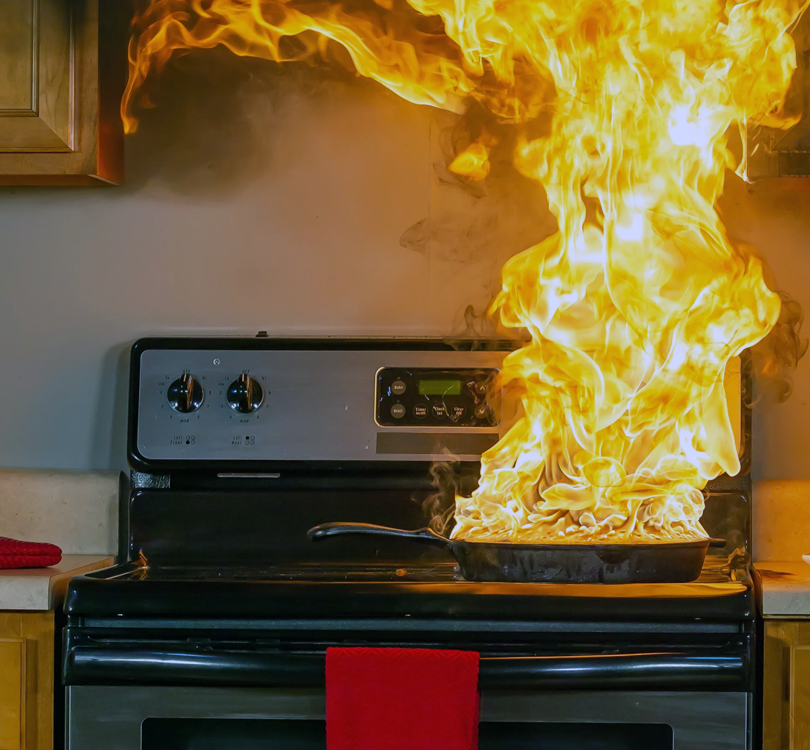
If you've been devastated by water, mold, fire, and/or smoke damage, know that your cherished possessions, your home or business, can all be restored to pre-damage condition; bringing back your peace of mind.
Whether water, mold, fire, or smoke causes damage to your home or business, the effects are heartbreaking and often life-changing. We at All Clean Restoration understand the devastation and pain these events can cause. We also understand that quick and proper action is crucial to prevent further damage, red tape, and cost.
Call us any time, day or night:
1-800-4223944
Related Topics:
You’ve cleaned, you’ve aired it out, and the smell keeps coming back. That damp, earthy odor doesn’t lift because it isn’t a surface problem. A musty smell in your house is almost always the sound of hidden moisture — a warning you can smell before you can see the cause.
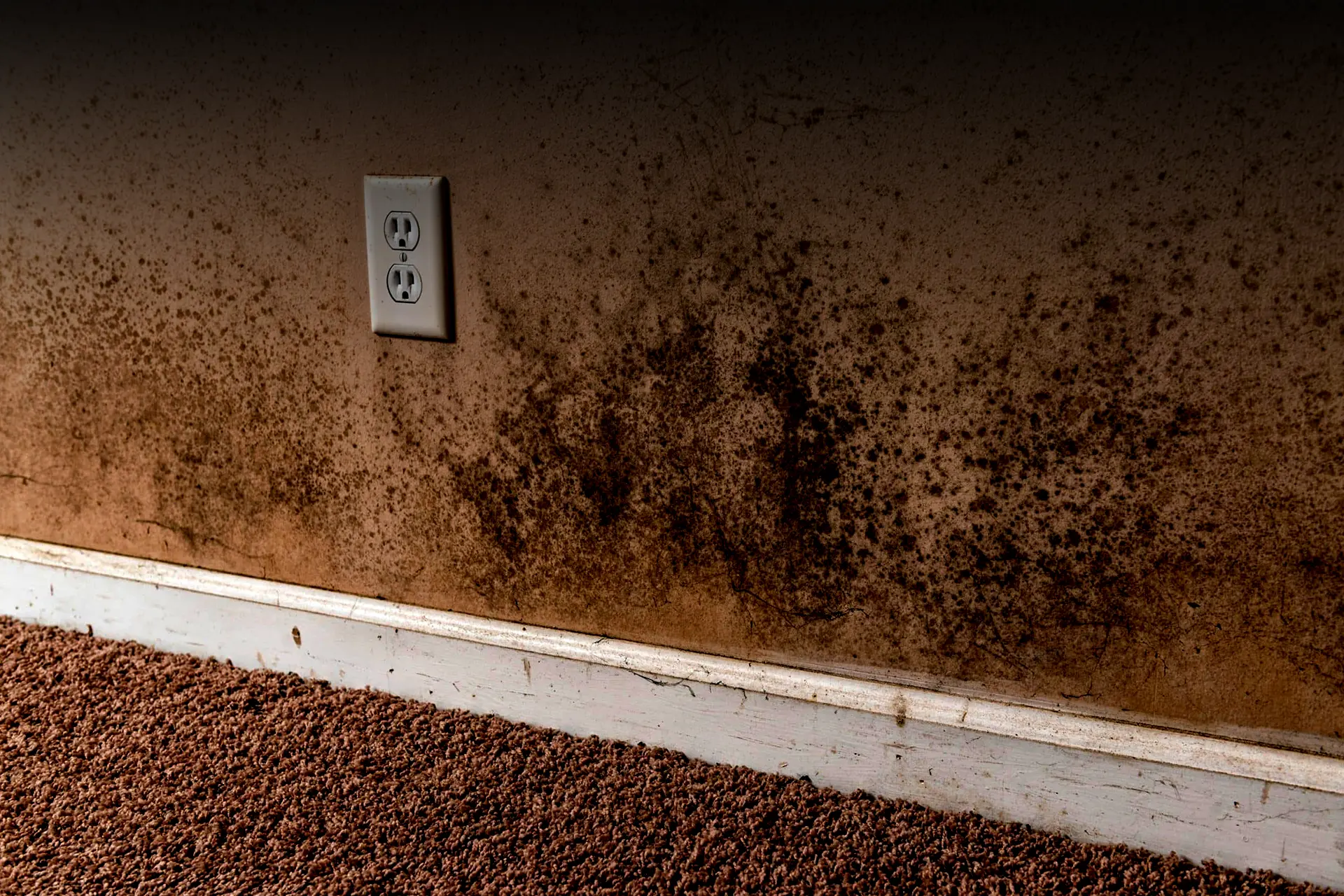
That odor is made of the compounds mold releases as it grows. So when your home in Belleville, Godfrey, or the St. Louis Metro smells musty, mold is usually already at work somewhere you haven’t looked.
What a Musty Smell Actually Is
The smell isn’t “old house.” It’s active biology. Mold and mildew give off gases called microbial volatile organic compounds as they feed on damp materials.
In plain terms: a musty smell means something is wet and something is growing. The CDC notes that if you can smell mold, you should find and remove it — you don’t need a test to know it’s there.
Where the Smell Is Coming From
Mold grows where moisture hides. The smell travels through your air, so the source is often nowhere near where you notice it.
The usual hiding spots
- The basement, with its natural humidity and low airflow. This is the most common source of basement musty odors.
- Inside walls, from a slow plumbing leak you never saw.
- Under flooring, in soaked subfloor or carpet padding.
- The crawl space, sending damp air up into the home.
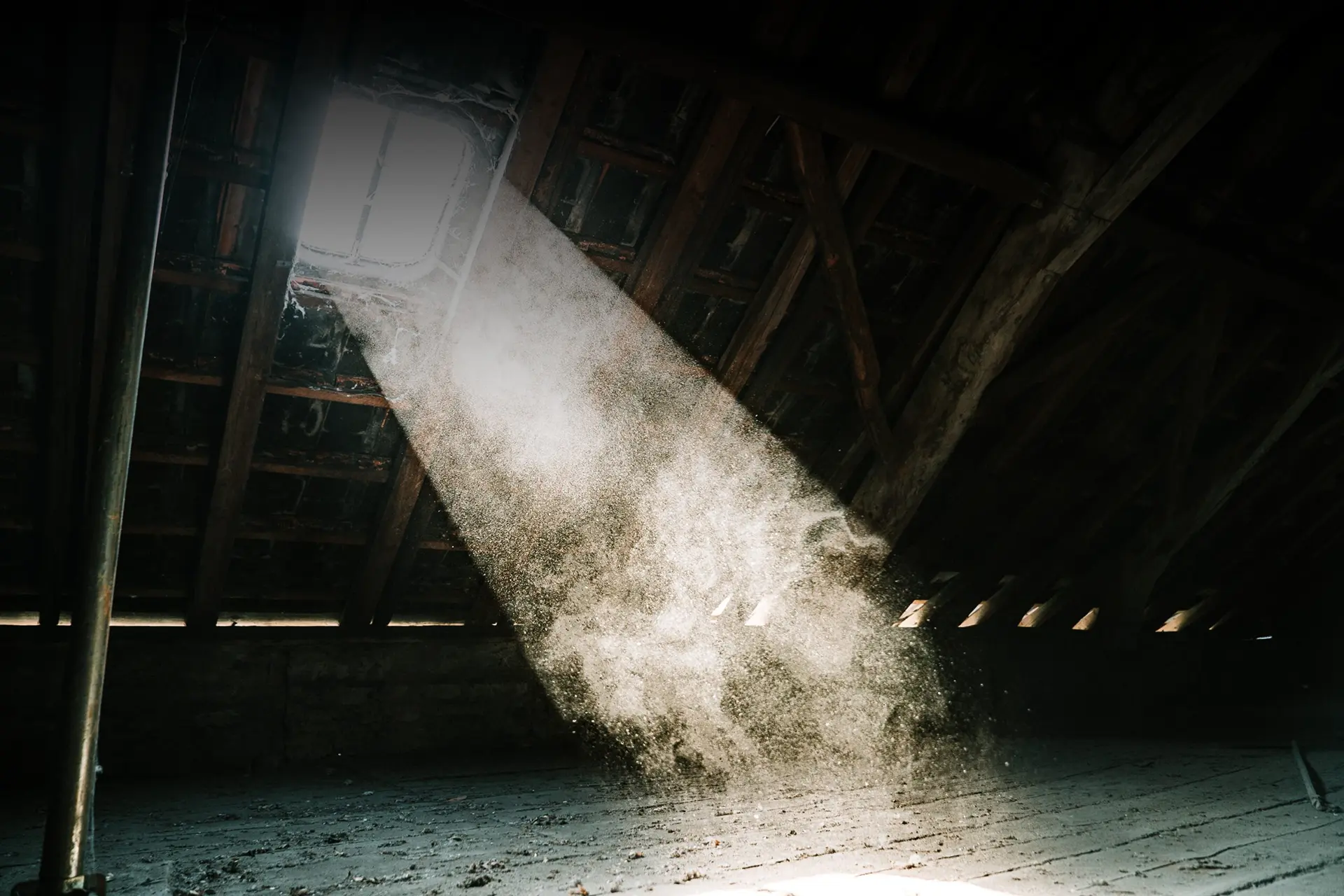
- The attic, from roof leaks or poor ventilation.
- Around the HVAC system, in a damp air handler or ductwork.
A musty smell that spikes after rain points to water intrusion. One that lives in a single room narrows the search fast.
Why You Can’t Just Cover It Up
Air fresheners, candles, and open windows mask the smell for an hour. They do nothing to the moisture feeding it.
Masking the odor lets the real problem grow. Hidden mold spreads, damages materials, and can affect the air your family breathes. The only fix that lasts is finding the moisture source and removing both the water and the growth. That’s why “airing it out” never solves a musty house.
How We Track Down the Source
You can’t fix what you can’t find. We locate hidden moisture with tools, not guesswork.
We use thermal imaging cameras and calibrated moisture meters to map wet areas behind walls, under floors, and above ceilings. Once we find the source, our mold removal and remediation team contains and removes the growth safely, and our water damage restoration crews dry the structure so it can’t come back. We measure, document, and verify — then we confirm the smell is gone because the cause is gone.
We investigate musty-smell complaints across the Metro East and Missouri, from Shiloh and Red Bud to St. Louis. Confirm your town on our service area page.
If your home smells musty, something is wet and growing — let’s find it. All Clean Restoration locates hidden moisture, removes mold, and dries your home so the smell doesn’t return. We answer the phone 24/7, every single day of the year, weekends and holidays included. Honored to help, and local since 1981. Illinois: 618-235-3202 · Missouri: 314-454-0442 · Se Habla Español: 618-792-3633 Or contact us online to schedule an assessment.
Recent Blog Articles:

The Hidden Costs of Water Damage: Protecting Your Illinois or Missouri Property and Health

The Unseen Threat: Long-Term Effects of Mold Damage on Illinois & Missouri Homes and Businesses – All Clean Restoration

Do You Know How to Repair Your Home After Fire Damage? All Clean Restoration Can Help in Illinois & Missouri

Salvaging Your Belongings: Home Repairs for Water-Damaged Items in Illinois and Missouri
All Clean Restoration's Other Services
Whether water, mold, fire, or smoke causes damage to your home or business, the effects are heartbreaking and often life-changing. We at All Clean Restoration understand the devastation and pain these events can cause. We also understand that quick and proper action is crucial to prevent further damage, red tape, and cost.


Licensed | Bonded | Insured