LICENSED | BONDED | INSURED
618-235-3202
Your Complete Water Damage Restoration Guide: From the First Drop to the Final Coat of Paint

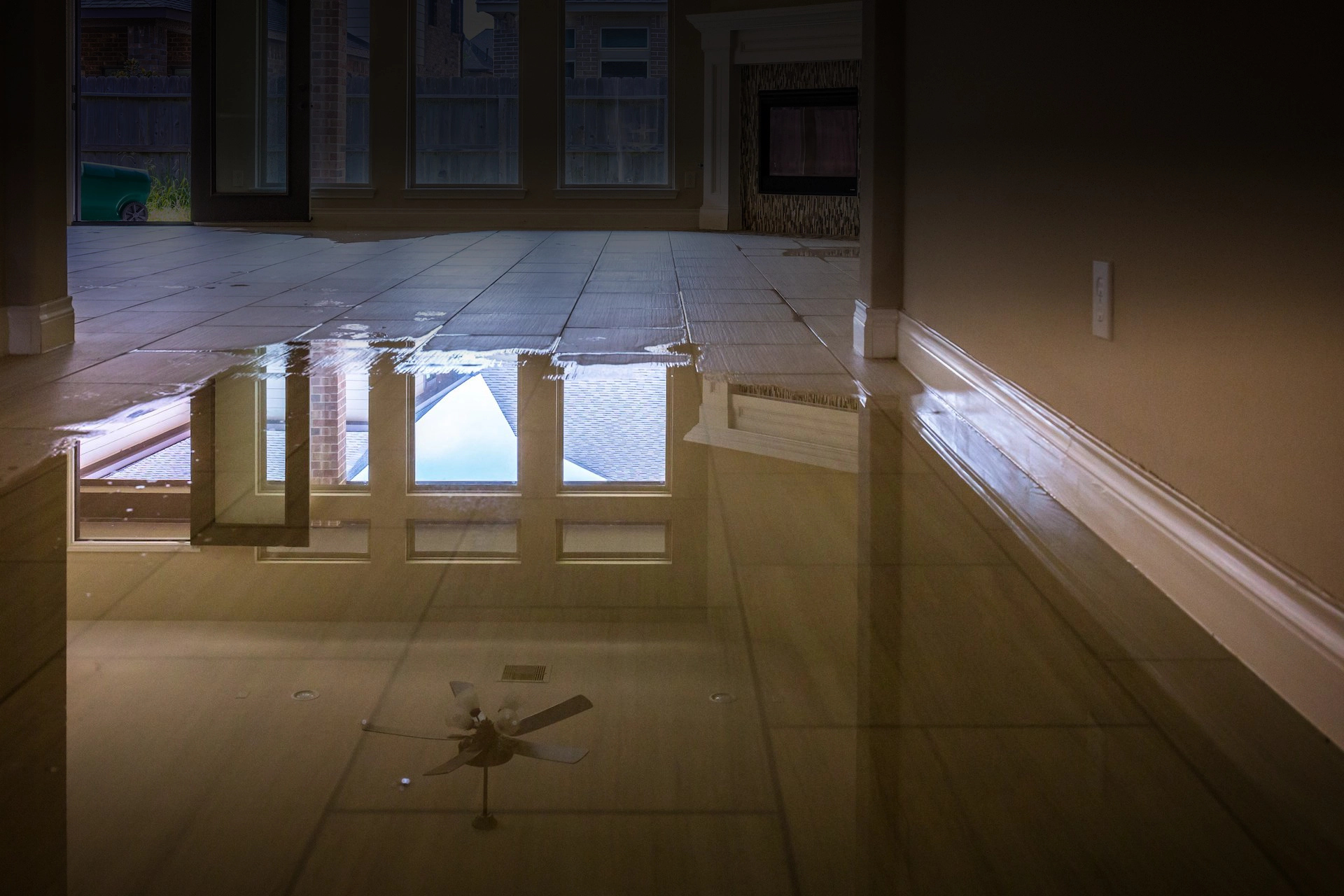
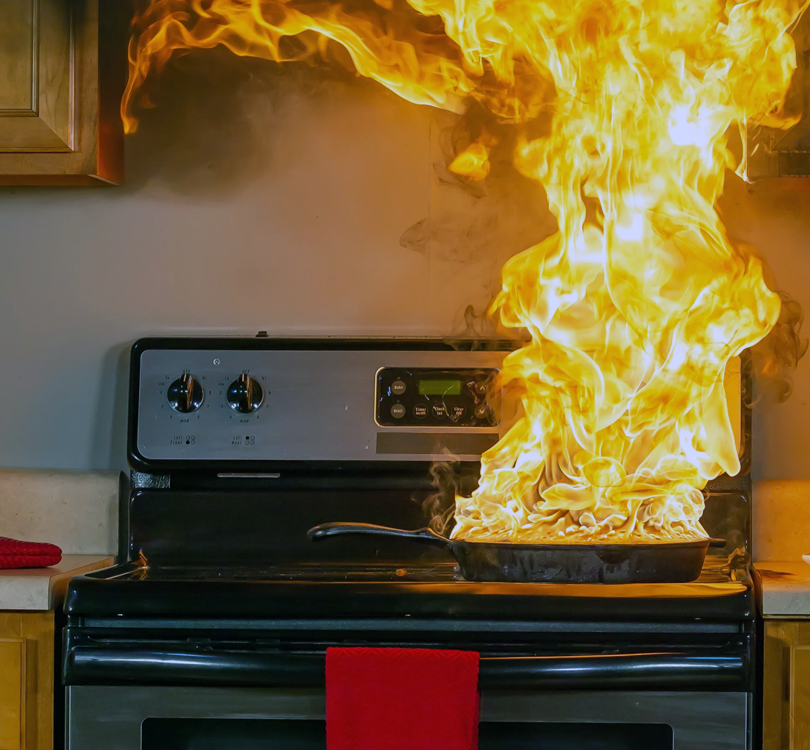
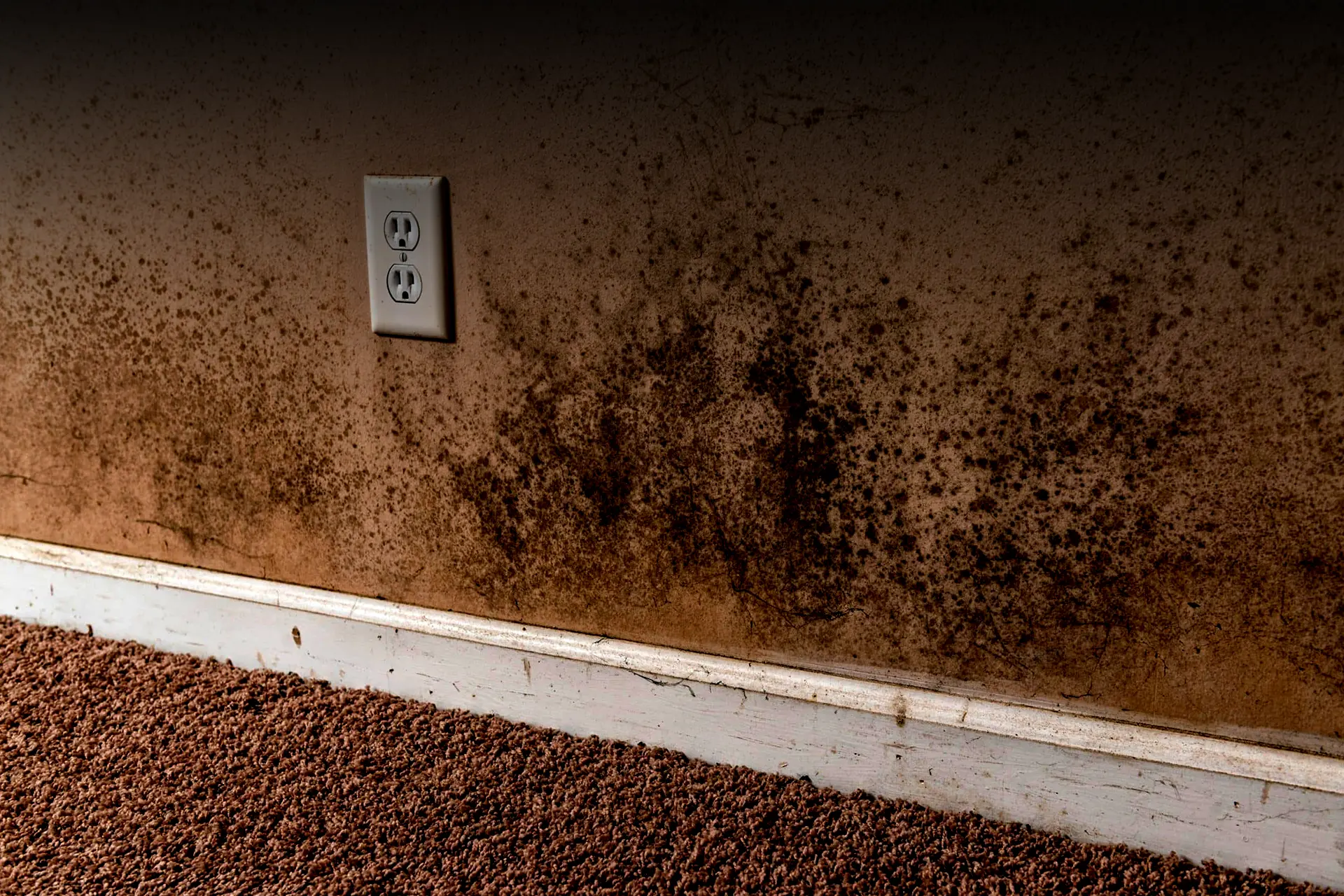
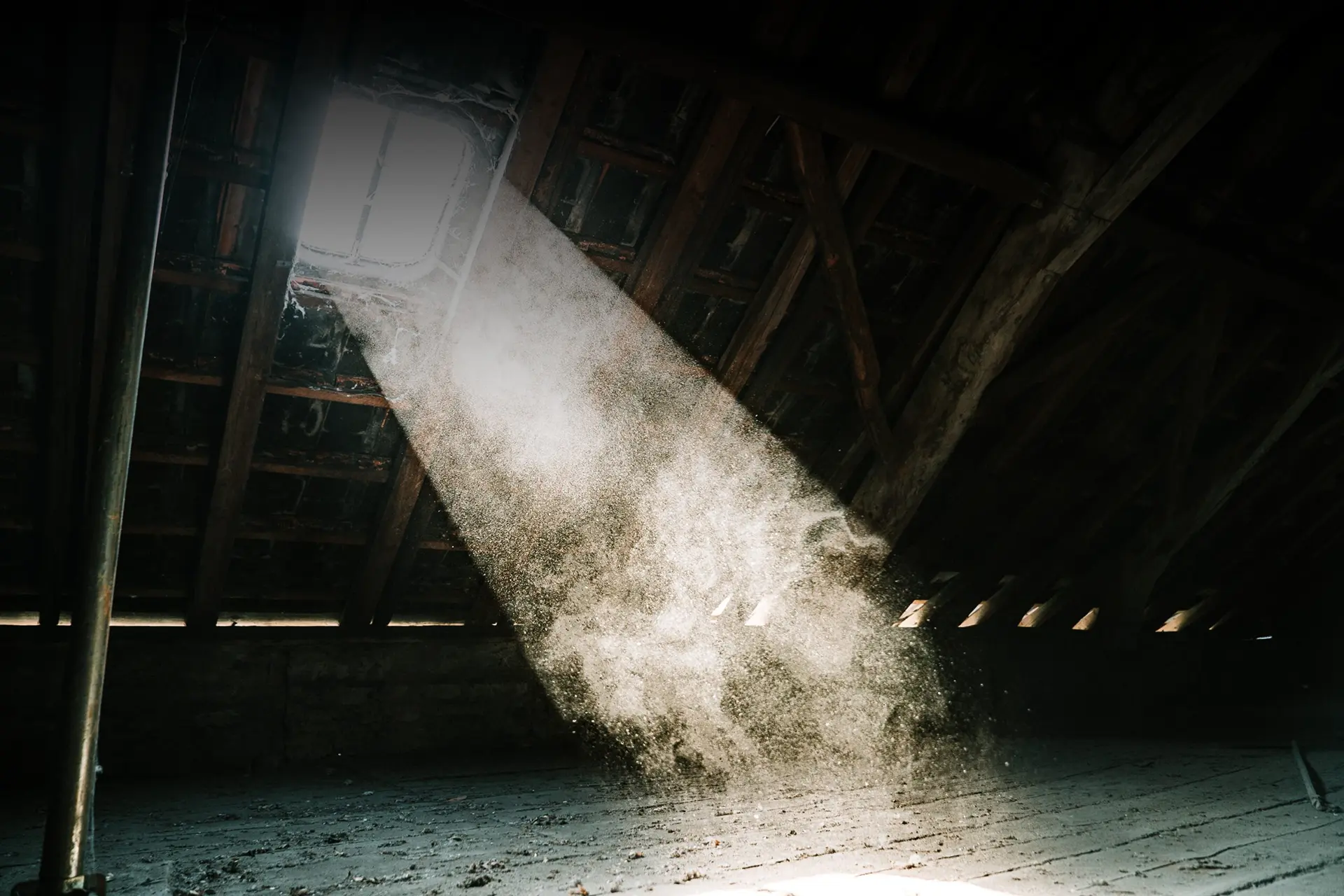
If you've been devastated by water, mold, fire, and/or smoke damage, know that your cherished possessions, your home or business, can all be restored to pre-damage condition; bringing back your peace of mind.
Whether water, mold, fire, or smoke causes damage to your home or business, the effects are heartbreaking and often life-changing. We at All Clean Restoration understand the devastation and pain these events can cause. We also understand that quick and proper action is crucial to prevent further damage, red tape, and cost.
Call us any time, day or night:
1-800-4223944
Related Topics:
Water damage is one of the most disruptive, stressful, and costly events a property owner can face. In the space of hours, a home or business can go from normal to unusable — with saturated floors, damaged walls, ruined contents, and uncertainty about what comes next. The recovery process, done right, takes your property from that devastated state all the way back to its pre-loss condition: clean, dry, safe, and fully restored.
At All Clean Restoration, we’ve been guiding Southern Illinois and St. Louis Metro homeowners and businesses through every phase of water damage restoration for over 45 years. This is your complete guide to the full restoration journey — from the moment water enters your property to the day you walk back into a fully restored home.
What “Water Damage Restoration” Actually Means
The term gets used loosely, but true water damage restoration is a comprehensive, multi-phase process consisting of two distinct stages:
Water Damage Remediation — The mitigation phase: extracting water, drying the structure, treating for mold, and stabilizing the property. This phase is about stopping further damage and making the property safe.
Restoration and Reconstruction — The rebuild phase: replacing damaged materials, repairing or reconstructing structural elements, and restoring the property’s appearance and function to its pre-loss condition.
Many restoration companies handle only one phase — forcing you to coordinate separate contractors at an already stressful time. All Clean Restoration handles both, from the first emergency call to the final coat of paint.
Phase 1: Emergency Response and Water Extraction
When you call 618-235-3202, our response begins immediately. Our team arrives within 30 minutes, 24 hours a day, 7 days a week, 365 days a year — because water damage doesn’t observe business hours.
Upon arrival, we:
- Conduct a safety assessment (electrical hazards, structural stability, water contamination category)
- Identify and confirm the water source is stopped
- Begin industrial water extraction with truck-mounted and portable equipment
- Deploy thermal imaging cameras and moisture meters to map the full extent of moisture migration
The faster this phase begins, the lower your total damage and restoration costs. This is not marketing language — it’s the fundamental science of moisture behavior in building materials. FEMA’s guidance on water damage consistently emphasizes the importance of rapid extraction in limiting damage scope.
Phase 2: Structural Drying and Monitoring
With standing water extracted, the drying phase begins. Commercial air movers and LGR dehumidifiers are placed according to a calculated drying plan. Specialty equipment addresses specific materials:
- Wood floor drying systems using floor mats and Injectidry technology to dry hardwood from within
- Wall cavity drying using pressurized air injection to dry structural framing, insulation, and cavity surfaces without demolition wherever possible
- Carpet and rug drying for salvageable flooring materials
We monitor drying progress daily with moisture meters, adjusting equipment as materials dry and drying reaches deeper layers. We don’t stop until the numbers confirm complete structural dryness — not until it looks dry or until a certain number of days have elapsed.
Phase 3: Controlled Demolition (As Required)
When materials cannot be dried in place within the IICRC-recommended timeframe — typically drywall saturated beyond its capacity, wet insulation, or flooring over a compromised subfloor — controlled demolition is performed to expose and dry the underlying structure.
This means flood cuts in drywall to expose wall cavities, removal of saturated flooring and pad, and removal of contaminated insulation. It sounds disruptive — because it is — but it’s far less costly and disruptive than discovering mold months later because hidden moisture was allowed to remain.
Phase 4: Antimicrobial Treatment and Air Quality Management
With structural drying complete, all affected surfaces receive EPA-registered antimicrobial treatment to inhibit mold growth. In contaminated water scenarios (sewage backup, floodwater), this phase expands to include full surface disinfection and HEPA air filtration to address airborne contaminants.
All antimicrobial products used by All Clean Restoration are EPA-registered for the specific application — not generic household sprays.
Phase 5: Documentation and Insurance Coordination
Throughout the remediation process, All Clean Restoration creates a comprehensive documentation package:
- Initial damage photos and moisture readings
- Daily drying logs with equipment placement and moisture readings
- Scope of work completed
- Antimicrobial treatment documentation
- Final clearance readings confirming complete drying
This documentation is provided to you and your insurance carrier. We communicate directly with your adjuster to ensure the full scope of damage and work performed is properly assessed and covered. For details on our insurance support services, see our FAQ page.
Phase 6: Restoration and Reconstruction
The remediation is complete. Now your property needs to be put back together:
- Drywall installation and finishing: New drywall cut, installed, taped, mudded, textured, and primed to match existing surfaces
- Painting: Complete repainting of affected areas
- Flooring restoration: Hardwood refinishing where drying was successful; flooring replacement where it was not
- Cabinetry: Cabinet repair or replacement where water damage affected kitchen and bathroom cabinetry
- Trim and millwork: Replacement of baseboards, door casings, window trim, and other architectural elements affected by water damage
Because All Clean Restoration handles both remediation and restoration, you have a single point of contact throughout the entire process. No miscommunication between contractors. No delays waiting for the “next phase” company to schedule. Just a seamless process from emergency call to fully restored home.
What Sets All Clean Restoration Apart
In the 45+ years we’ve been serving Southern Illinois and the St. Louis Metro area, we’ve built our reputation on four things:
Speed: 30-minute response time, 24/7. When water is in your home, every minute matters.
Expertise: Every technician is IICRC-certified and trained in the science of water damage and drying. We don’t guess — we measure, document, and verify.
Honesty: We tell you what you need to hear, not what’s easiest to say. If demolition is required, we explain why. If floors can be saved, we save them. If they can’t, we tell you clearly.
Accountability: We work directly with your insurance company, provide thorough documentation, and stand behind our work.
We serve the entire bi-state Metro East — including Belleville, Edwardsville, O’Fallon, Fairview Heights, Collinsville, Alton, Wood River, Granite City, Waterloo, Millstadt, Red Bud, Troy, Maryville, Mascoutah, Shiloh, and St. Louis, MO.
Water damage doesn’t wait. Neither do we.
Contact All Clean Restoration at 618-235-3202 or 314-454-0442 for immediate emergency response or a free estimate. Licensed. Bonded. Insured. IICRC Certified. BBB A+ Rated. 5-Star Google Rating.
Recent Blog Articles:

Is Your Attic Hiding a Costly Secret? Water Damage

Seconds Matter: Why Fast Action is the Key to Water Damage Restoration

Basement Leakage 101: Identifying the Real Problem Before It Destroys Your Home

When That “Weird Smell” Is Actually Toxic Mold
All Clean Restoration's Other Services
Whether water, mold, fire, or smoke causes damage to your home or business, the effects are heartbreaking and often life-changing. We at All Clean Restoration understand the devastation and pain these events can cause. We also understand that quick and proper action is crucial to prevent further damage, red tape, and cost.

Licensed | Bonded | Insured