LICENSED | BONDED | INSURED
618-235-3202

4 Steps to Protect from High Winds Before the Storm

If you've been devastated by water, mold, fire, and/or smoke damage, know that your cherished possessions, your home or business, can all be restored to pre-damage condition; bringing back your peace of mind.
Whether water, mold, fire, or smoke causes damage to your home or business, the effects are heartbreaking and often life-changing. We at All Clean Restoration understand the devastation and pain these events can cause. We also understand that quick and proper action is crucial to prevent further damage, red tape, and cost.
Call us any time, day or night:
1-800-4223944
Related Topics:
High winds are a regular threat across Missouri and Illinois. Gusts of wind can be powerful enough to rip siding from walls, topple trees, and cause serious damage to your property. Even though we don’t have hurricanes, the financial and emotional toll of severe wind and storm damage can be significant.
The good news is that by being proactive and preparing your home, you can greatly reduce your risk. This guide provides a clear checklist for homeowners in Missouri and Illinois to properly secure their property before a storm.
4 Steps to Secure Your Home Before a Storm
1. Inspect Your Home’s “Building Envelope”
Your home’s first line of defense is its exterior shell, also known as the building envelope. At least once a year, take a close look at these four critical areas:
- Roof: Look for any loose, cracked, or missing shingles. Pay extra attention to the flashing around chimneys and vents, as these are common weak points.
- Siding: Make sure all siding panels are securely attached. A single loose panel can be caught by the wind, leading to a chain reaction of damage.
- Windows & Doors: Check that all seals are intact and that there are no cracks in the frames or glass.
- Garage Door: Reinforce your garage door according to the manufacturer’s instructions. With its large surface area, the garage door is especially vulnerable to buckling under high wind pressure.
2. Secure Your Property and Landscaping
Damage often comes not just from the wind itself, but from objects that are turned into projectiles. Systematically secure your yard to minimize this risk.
- Trim Trees and Bushes: Have large trees near your home professionally trimmed to remove dead or weak branches that could snap and fall on your roof or vehicles.
- Anchor Detached Structures: Sheds, detached garages, and other outbuildings should be securely anchored to a permanent foundation.
- Secure Outdoor Items: When a wind advisory is issued, move all patio furniture, grills, trampolines, and garbage cans into a garage or shed. If you can’t move an item, anchor it securely.
3. Review Your Insurance Coverage
Being prepared also means being financially protected. Don’t wait until after a storm to understand your homeowner’s policy.
- Confirm Your Coverage: Review your policy to understand what’s covered under wind and storm damage. Be sure you know your deductible.
- Document Your Property: Take photos or videos of your home’s exterior and interior, including major appliances and valuables. Having this documentation on hand makes the insurance claim process much smoother.
4. Monitor Weather Alerts and Act Early
Stay informed by monitoring local weather forecasts from the National Weather Service. When forecasters issue a high wind warning for your area, it’s your signal to do a final check. Take an hour to walk your property and tie down or store away anything that could be a hazard.
Wind Is Often Just the Beginning: Associated Storm Damage
Wind storms rarely happen alone. They’re often accompanied by other weather events that can cause different types of property damage, including:
- Water Damage: Heavy rain can enter through a wind-damaged roof or window, leading to flooding and the need for professional water extraction.
- Hail Damage: Hail can tear up siding, break windows, and leave significant dents and cracks in your shingles, compromising your roof’s integrity.
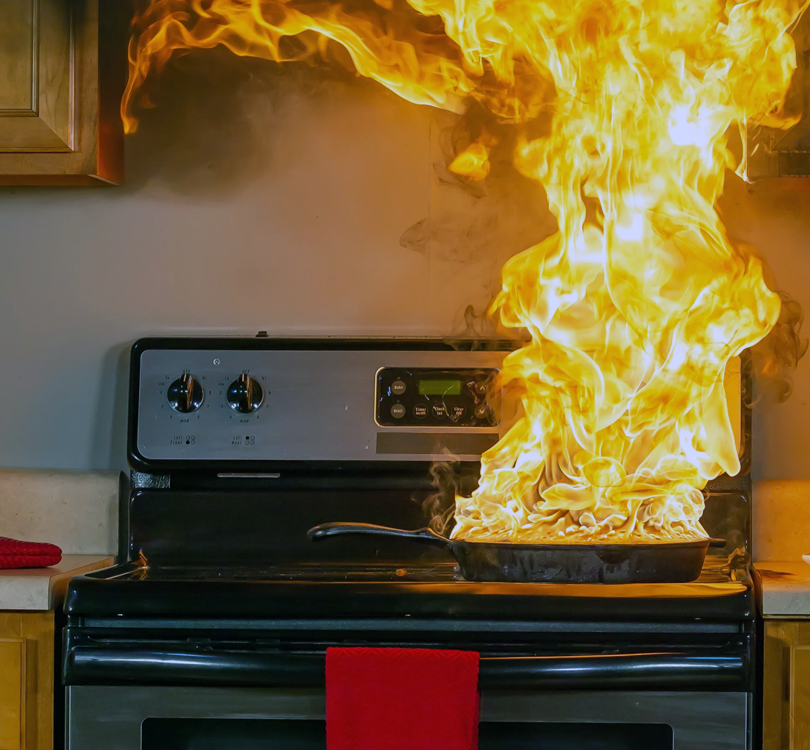
- Fire Damage: Lightning strikes during a thunderstorm can hit trees or your home itself, posing a serious fire risk.
While these preventative measures are key, severe weather can still cause unexpected damage. The most important step you can take after a storm is to get a professional assessment to ensure your home is safe and secure.
If your Missouri or Illinois home or business suffers damage from a wind storm, contact All Clean Restoration. Our IICRC Certified technicians are available 24/7 for emergency service to handle any wind and storm damage repair. We secure your property, mitigate any further damage, and work directly with your insurance company to make the restoration process as smooth as possible.
Frequently Asked Questions (FAQ) About Wind Preparedness
What is the most common cause of wind damage to a house? The most common points of failure on a home are the roof and siding. Damage often starts when the wind lifts a few loose or older shingles, creating a peeling effect. Similarly, the wind can tear away loose siding, exposing the structure underneath. This is why an annual inspection of these areas is a critical preventative step.
How do I secure my house for 50 mph winds? For winds in this range, focus on eliminating potential projectiles. Secure all outdoor furniture, trampolines, and grills inside a garage or shed. Do a final check on your garage door to ensure you’ve closed and properly reinforced it. Double-check that you’ve closed and securely latched all windows and doors to prevent wind from entering the home and creating dangerous internal pressure.
What should I do right after a storm damages my roof? Your safety is the first priority. Do not climb on a damaged roof. From the ground, take clear photos of the damage for your insurance company. If there is an active leak or significant structural damage, contact a certified storm damage restoration company immediately. A professional team can perform emergency tarping to prevent further water damage while you begin the insurance claim process.
Does homeowner’s insurance in Missouri or Illinois cover wind damage? In most standard homeowner’s insurance policies, damage from wind is a covered peril. However, every policy is different, and it’s essential to review your specific documents to understand your coverage limits and deductible. All Clean Restoration has extensive experience with the claims process and works directly with all insurance companies to ensure your restoration is handled smoothly and efficiently.
Recent Blog Articles:

Navigating the Aftermath: A Guide to Flood Damage Moisture Control

From Chaos to Clean: Your Guide to Fire Damage Restoration in Illinois and Missouri

The Silent Threat: How a Leaking Water Heater Could Be a Ticking Time Bomb

Mold is Back? Here’s Why Mold Remediation Isn’t Just a One-Time Fix
All Clean Restoration's Other Services
Whether water, mold, fire, or smoke causes damage to your home or business, the effects are heartbreaking and often life-changing. We at All Clean Restoration understand the devastation and pain these events can cause. We also understand that quick and proper action is crucial to prevent further damage, red tape, and cost.


Licensed | Bonded | Insured