LICENSED   |   BONDED  |   INSURED

618-235-3202
Avoid a Holiday Disaster: Common Christmas Water Damage Risks for Missouri & Illinois Homes

December 20, 2025
All Clean Restoration shares the top seasonal risks—and what Missouri and Illinois homeowners can do to keep their holidays merry, bright, and disaster-free.

If you've been devastated by watermoldfire, and/or smoke damage, know that your cherished possessions, your home or business, can all be restored to pre-damage condition; bringing back your peace of mind.

Whether water, mold, fire, or smoke causes damage to your home or business, the effects are heartbreaking and often life-changing. We at All Clean Restoration understand the devastation and pain these events can cause. We also understand that quick and proper action is crucial to prevent further damage, red tape, and cost.

Call us any time, day or night:

1-800-4223944

Related Topics:

Christmas is here again—the lights are glowing, the decorations are up, and families across Missouri and Illinois are preparing for the most festive season of the year. But while we look forward to cozy evenings and joyful celebrations, winter weather and holiday activities can create unexpected water damage emergencies.

A burst pipe, leaking appliance, or overflowing toilet can turn your holidays upside down fast. That’s why it’s important to stay aware of the most common causes of Christmas water damage and how to prevent them.

Below, the team at All Clean Restoration shares the top seasonal risks—and what Missouri and Illinois homeowners can do to keep their holidays merry, bright, and disaster-free.


Top Causes of Christmas Water Disasters

1. Christmas Trees

Christmas trees bring joy—and potential hazards. Aside from being a fire risk, watering your real tree can lead to water spills that soak flooring, carpets, or walls. When unnoticed, this moisture can cause mold growth or long-term structural damage.

Keep water pans stable, check for leaks, and avoid overfilling.


2. Frozen Pipes

Missouri and Illinois winters are no stranger to subzero temperatures. When pipes freeze, the expanding ice can crack or burst them, unleashing hundreds of gallons of water once they thaw.

Signs of risk include:

  • Poor insulation

  • Pipes along exterior walls

  • Cold basements or crawl spaces

Frozen pipes are one of the largest causes of holiday water damage restoration calls each year.


3. Sewage Backups

Holiday gatherings mean more people using toilets and sinks. Overloaded plumbing systems can quickly lead to sewage backups—one of the messiest and most hazardous types of water damage.

Before hosting:

  • Inspect drains

  • Check for clogs

  • Ensure your sewer line is functioning properly


4. Water Toys

Water guns, toys with refillable tanks, and spill-prone gadgets may seem harmless, but they can cause damage when water gets into carpets, electronics, or hardwood flooring. Even small, unnoticed puddles can result in mold growth or warped surfaces.


5. Christmas-Related Fires

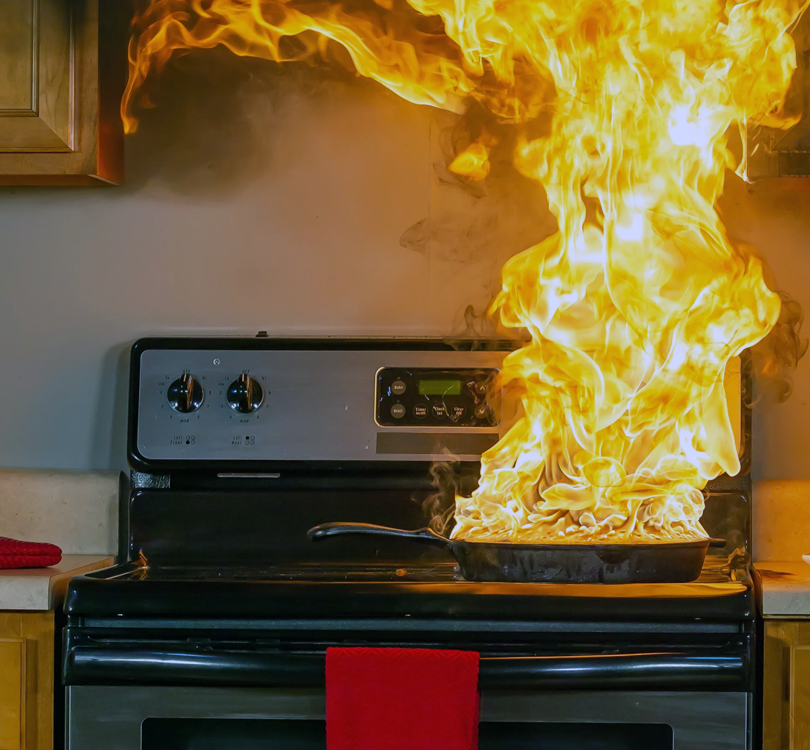
Holiday lights, candles, and decorations increase the risk of house fires. But even if flames stay small, putting out a fire usually involves water—right onto carpets, walls, and ceilings.

Firefighting water often leads to extensive water damage cleanup and structural drying.


6. Old or Overworked Appliances

Dishwashers, washing machines, and refrigerators work overtime during the holidays. Older or poorly maintained appliances can leak or rupture, leading to hidden water intrusion.

Have appliances inspected before hosting large gatherings.


7. Damaged or Ice-Blocked Gutters

Snow and ice buildup can overload gutters. When water can’t drain properly, it can back up under the roofline or run down the siding—causing leaks and attic or ceiling water damage.

Clear gutters before winter storms and watch for ice dams.


8. Water Supply Valves

Leaving town for the holidays? A small leak can become a disaster if water flows unchecked for days.

Before vacation:
✔ Turn off your main water supply
✔ Open a faucet to ensure it’s off
✔ Consider shutting off appliance supply lines


9. Fish Tanks

Gifted a new pet fish? Even a tiny crack in an aquarium can cause gallons of water to spill onto floors. Always test new tanks for leaks before placing them in living areas.


How to Keep Your Holiday Disaster-Free

1. Inspect Your Plumbing

Look for:

  • Drips

  • Corrosion

  • Loose connections

  • Aging pipes

  • Blocked gutters

Address small issues before they become emergencies.


2. Insulate Exposed Pipes

Pipe insulation reduces freezing risks and protects vulnerable plumbing in:

  • Basements

  • Crawl spaces

  • Garages

  • Outdoor spigots

  • Attics

This simple step can prevent thousands in damage.


3. Use Home Heating Wisely

Keep warm air circulating to protect pipes. Open cabinet doors under sinks and maintain indoor heat—even when away from home—to avoid freezing.


4. Ask Someone to Check Your Home

If you’re traveling, have a neighbor or friend stop by to look for:

  • Leaks

  • Ice buildup

  • Overflowing gutters

  • Temperature drops

Early detection can reduce severe damage.


Key Takeaway

Christmas should be joyful—not stressful. But winter weather combined with holiday activities can increase the risk of burst pipes, flooding, sewage backups, and appliance leaks. Taking preventative steps now can save you from extensive water damage restoration later.

Should a disaster strike—even during the holidays—All Clean Restoration is here to help.


Trust All Clean Restoration for Water Damage Recovery in Missouri & Illinois

Disasters can happen anytime, even when you’ve taken every precaution. When water damage occurs, fast action is essential to prevent mold, structural issues, and further destruction.

All Clean Restoration provides:

  • 24/7 Emergency Response

  • Water Damage Restoration

  • Burst Pipe Cleanup

  • Sewage Backup Cleanup

  • Storm & Flood Damage Services

  • Mold Remediation

  • Structural Drying

  • Fire & Smoke Damage Cleanup

Our certified team uses advanced drying equipment and proven restoration techniques to return your home to its pre-loss condition quickly and safely.

If water damage disrupts your holiday season, call All Clean Restoration for immediate help and reliable service.

Recent Blog Articles:

When a flood hits, the first few days are critical for flood damage moisture control. The water may be gone, but the real work—and the real danger—is just beginning. Lingering moisture can lead to serious structural damage, mold growth, and a host of other problems. At All Clean Restoration, we understand the unique challenges faced by homeowners in Missouri and Illinois. We've put together this guide to help you understand the essential techniques for effective moisture control and get your property back to normal. Step 1: The First Response—Assess and Remove Standing Water Your immediate goal after a flood is to get rid of any standing water. This is your first line of defense against long-term damage. Assess the Damage: Carefully survey your home to find all affected areas. Don't forget hidden spots like crawl spaces and inside walls where water can get trapped. Water Extraction: Use a submersible pump for large areas or a wet/dry vacuum for smaller spaces to remove as much water as you can. The faster you act, the less damage you'll have to deal with later. Document Everything: As you go, take notes on the conditions of each area. This information will be vital for your insurance claims and future restoration efforts. Step 2: The Drying Process—Dehumidifiers and Air Movers Once the standing water is gone, it's time to tackle the invisible threat: moisture in the air and in your home's materials. Dehumidifiers: These are your best friends in the fight against moisture. Place them strategically in the wettest areas to pull moisture from the air. Set your dehumidifier to keep humidity levels between 30% and 60% to prevent mold growth and speed up the drying process. Air Movers: Position these powerful fans to create a circular airflow across wet surfaces. This constant air movement helps to accelerate evaporation, drying out everything from floors to walls. Think of them as a team—the air movers push moisture into the air, and the dehumidifiers pull it out. Step 3: Long-Term Protection—Moisture Barriers and Sealants With your home dry, you need to ensure it stays that way. Implementing moisture barriers is the key to preventing future water intrusion. Choose the Right Materials: Opt for high-quality moisture barrier materials like polyethylene sheets or liquid sealants. Proper Application: Make sure all surfaces are clean and dry before applying. Pay special attention to vulnerable areas like basements and crawl spaces, which are prone to moisture accumulation. Use caulk and other sealants to fill any gaps around windows and doors. Regular Inspections: Even after everything is sealed, it's important to do regular check-ups. Inspect your barriers and seals to make sure they are still effective and haven't been damaged over time. Frequently Asked Questions How long does it take for a home to dry completely after flooding? It can take anywhere from 5 to 14 days, depending on the extent of the damage, humidity, and temperature. What health risks are associated with lingering moisture? Lingering moisture is a breeding ground for mold, which can cause respiratory issues like coughing, wheezing, and aggravated allergies. Should I replace my carpet after flood damage? Yes, if your carpet has been soaked, it's a good idea to replace it. The padding and fibers can trap moisture and lead to mold growth. Can I use my HVAC system to help with moisture control? Yes, your HVAC system can help circulate air and remove some moisture. However, it's not a substitute for specialized equipment like dehumidifiers and air movers. What are the signs of mold growth after a flood? Look for a musty odor, discoloration on surfaces, and water spots. If you see these signs, it's time to call a professional. By following these steps, you're not just restoring your home; you're reinforcing it against future challenges. For expert guidance and professional flood restoration services, reach out to us at All Clean Restoration. We’re here to help our neighbors in Missouri and Illinois get back on their feet.

Navigating the Aftermath: A Guide to Flood Damage Moisture Control

When a flood hits, the first few days are critical for flood damage moisture control. The water may be gone, but the real work—and the real danger—is just beginning. Lingering moisture can lead to serious structural damage, mold growth, and a host of other problems.
Guide to Fire Damage Restoration. When fire strikes, the aftermath can feel overwhelming. The physical damage to your property is just the beginning; smoke and soot can permeate every surface, leaving behind a lingering odor that seems impossible to remove. In this challenging time, knowing where to begin the cleanup is the hardest part.

From Chaos to Clean: Your Guide to Fire Damage Restoration in Illinois and Missouri

Guide to Fire Damage Restoration. When fire strikes, the aftermath can feel overwhelming. The physical damage to your property is just the beginning; smoke and soot can permeate every surface, leaving behind a lingering odor that seems impossible to remove. In this challenging time, knowing where to begin the cleanup is the hardest part.
Many homeowners in Illinois and Missouri have faced the frustrating and costly reality of water damage due to a leaking water heater. While major floods and burst pipes often grab headlines, one of the most common—and often underestimated—causes of residential water damage is a leaking water heater.

The Silent Threat: How a Leaking Water Heater Could Be a Ticking Time Bomb

Many homeowners in Illinois and Missouri have faced the frustrating and costly reality of water damage due to a leaking water heater. While major floods and burst pipes often grab headlines, one of the most common—and often underestimated—causes of residential water damage is a leaking water heater.
The truth is, mold remediation is about more than just cleaning up visible spores. It’s about solving the problem that let the mold grow in the first place. For homeowners and business owners across Illinois and Missouri, understanding the root cause of mold is the key to a permanently healthy and safe environment.

Mold is Back? Here’s Why Mold Remediation Isn’t Just a One-Time Fix

The truth is, mold remediation is about more than just cleaning up visible spores. It’s about solving the problem that let the mold grow in the first place. For homeowners and business owners across Illinois and Missouri, understanding the root cause of mold is the key to a permanently healthy and safe environment.

All Clean Restoration's Other Services

Whether water, mold, fire, or smoke causes damage to your home or business, the effects are heartbreaking and often life-changing. We at All Clean Restoration understand the devastation and pain these events can cause. We also understand that quick and proper action is crucial to prevent further damage, red tape, and cost.

We are honored to help in your time of need.

We are committed to delivering exceptional customer service and restoring homes and businesses to their pre-loss condition. For more than 40 years throughout Southern Illinois, we've prioritized communication with our clients, walking them through the entire restoration process from the moment we arrive to walking back into their restored homes and offices.

618-235-3202

Licensed  |  Bonded  |  Insured