LICENSED   |   BONDED  |   INSURED

618-235-3202
Is Your Home Hiding a Toxic Secret? The Ultimate Guide to Mold After Water Damage

January 23, 2026
For homeowners in Missouri and Illinois, a damp basement or a leaky roof isn't just an inconvenience—it’s a ticking time bomb. Mold is more than an unsightly stain; it’s a silent intruder that can compromise your home’s structural integrity and your family's respiratory health.

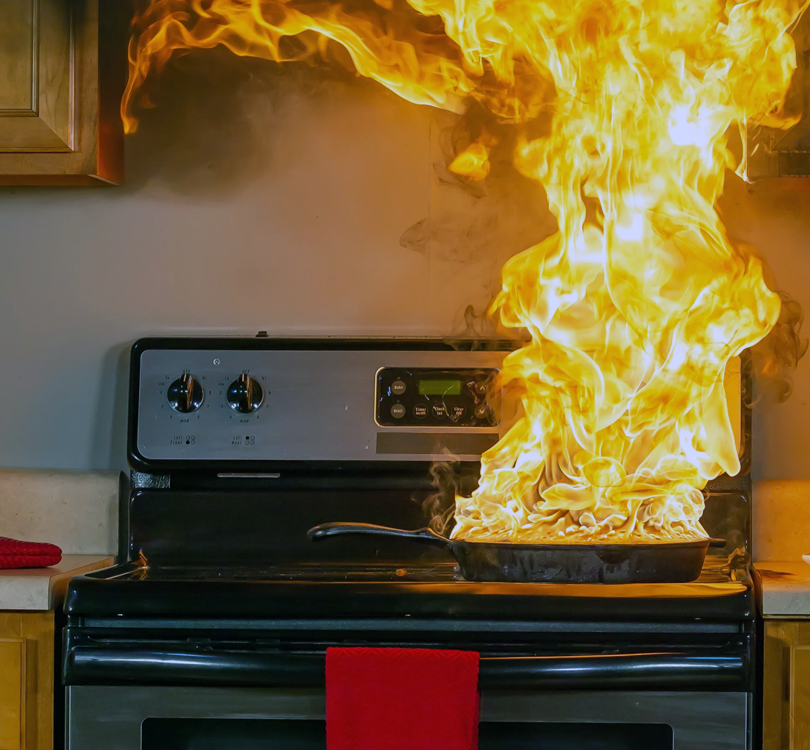
If you've been devastated by watermoldfire, and/or smoke damage, know that your cherished possessions, your home or business, can all be restored to pre-damage condition; bringing back your peace of mind.

Whether water, mold, fire, or smoke causes damage to your home or business, the effects are heartbreaking and often life-changing. We at All Clean Restoration understand the devastation and pain these events can cause. We also understand that quick and proper action is crucial to prevent further damage, red tape, and cost.

Call us any time, day or night:

1-800-4223944

Related Topics:

For homeowners in Missouri and Illinois, a damp basement or a leaky roof isn’t just an inconvenience—it’s a ticking time bomb. Mold is more than an unsightly stain; it’s a silent intruder that can compromise your home’s structural integrity and your family’s respiratory health.

Whether you’ve dealt with a sudden flash flood in St. Louis or a burst pipe in Belleville, knowing how to spot mold early is the difference between a quick fix and a total home renovation.

At All Clean Restoration, we’ve seen it all. With years of experience in mold remediation and water damage restoration, we’re here to help you reclaim your space. Here is your 5-step checklist to identify, stop, and prevent mold growth.


Step 1: Spot the Red Flags (Before They Spread)

Mold loves dark, damp corners. If your home has recently suffered from water damage, keep an eye out for these “viral” warning signs:

  • The “Musty” Funk: If a room smells like an old basement or damp gym clothes, mold or mildew is likely growing behind the scenes.

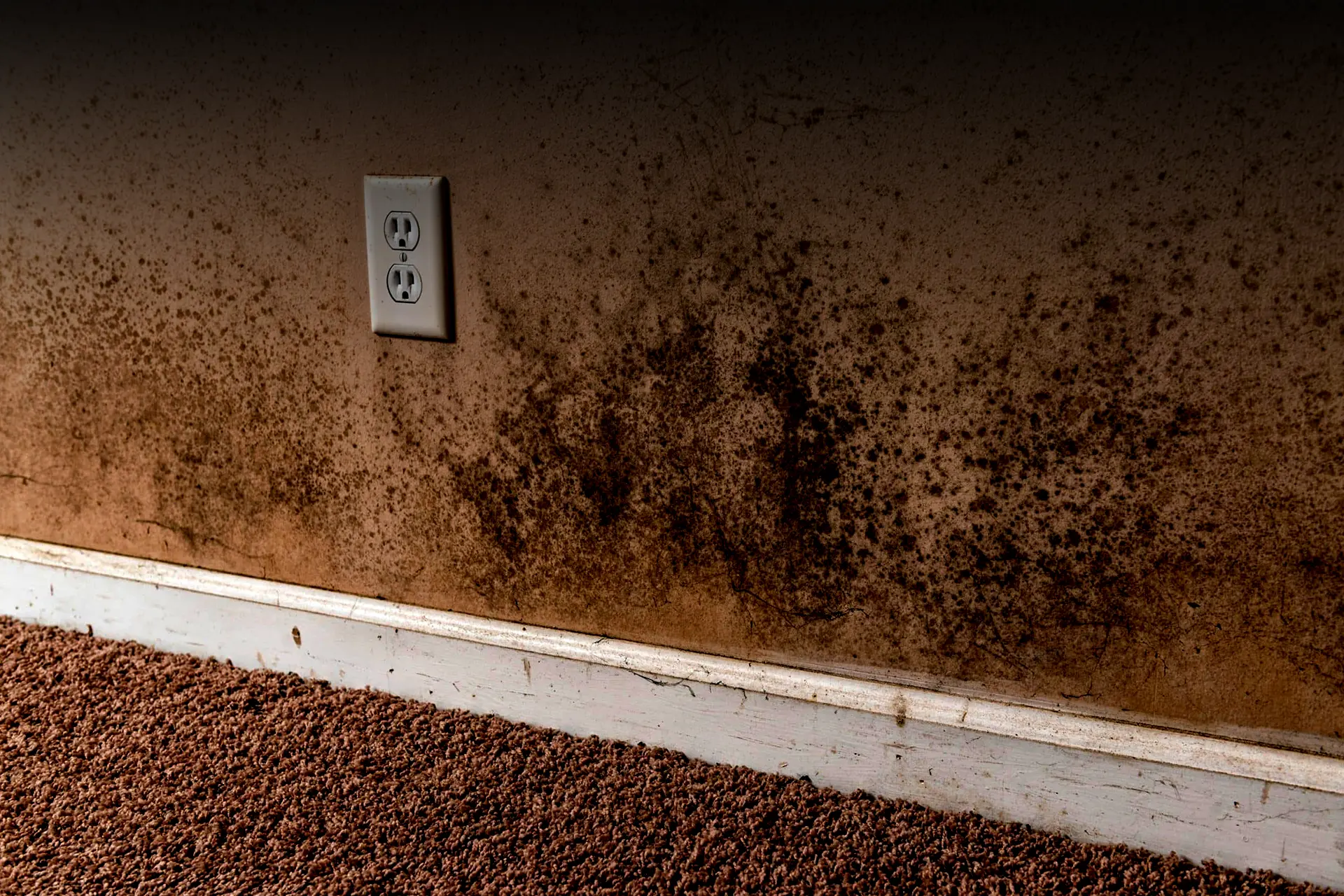
  • Discoloration: Mold isn’t just black. Look for fuzzy patches of green, white, or grey on drywall, under sinks, or behind furniture.

  • Physical Symptoms: Are you or your kids experiencing unexplained sneezing, coughing, or itchy eyes? Your air quality might be compromised.

Step 2: Hunt Down the Moisture Source

Mold cannot survive without water. To kill the mold, you have to “starve” it of moisture. Check these common culprits:

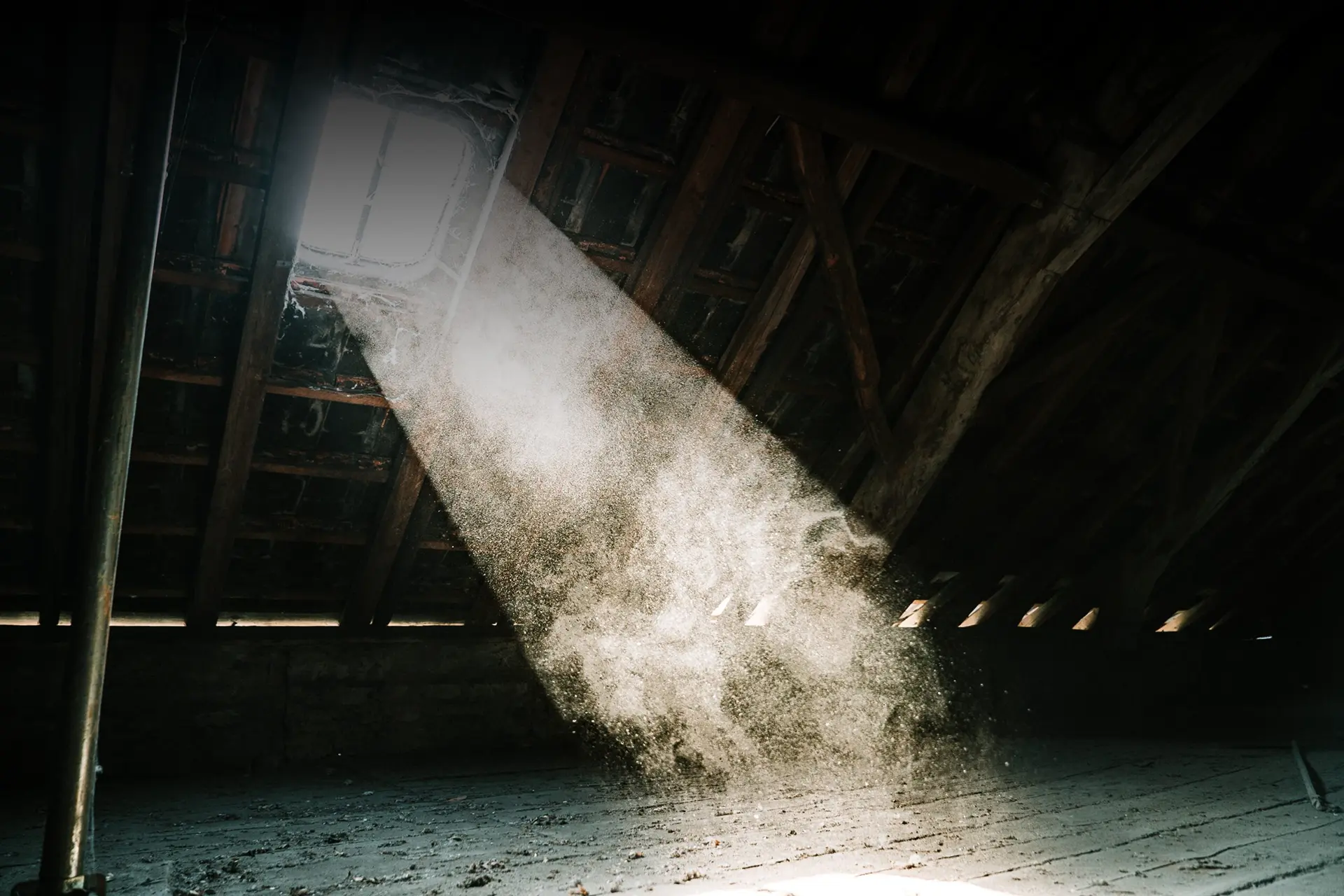
  • The Roof: Missing shingles or clogged gutters can lead to attic mold.

  • Hidden Plumbing: Check under kitchen and bathroom vanities for slow drips.

  • HVAC Condensation: Poorly maintained AC units can create moisture pockets in your ductwork.

Step 3: Master Your Humidity

In the Midwest, humidity is a constant battle. If your home’s humidity levels stay above 60%, you are essentially inviting mold to move in. Pro Tip: Use a hygrometer (a cheap tool found at any hardware store) to monitor your indoor air. If the numbers are high, it’s time to invest in a heavy-duty dehumidifier or improve your home’s ventilation.

Step 4: Don’t DIY a Disaster—Call the Pros

While “cleaning” mold with bleach might seem easy, it often just hides the problem while the roots continue to grow inside your walls.

All Clean Restoration specializes in Applied Microbial Remediation. We don’t just “wipe away” the mess; we use industrial-grade equipment and advanced containment techniques to ensure mold spores don’t spread to the rest of your home during the cleanup process. We serve communities across Missouri and Illinois, bringing expert-level precision to every job.

Step 5: “Mold-Proof” Your Future

Once your home is clean, keep it that way.

  • Inspect Regularly: Check your basement after every heavy Midwest rainstorm.

  • Ventilate: Ensure bathrooms and kitchens are vented to the outside.

  • Call Fast: If you see water, you have a 24 to 48-hour window before mold begins to colonize.


Protect Your Home Today

Don’t let mold take over your life. Whether you need emergency water extraction, sewage cleanup, or professional mold removal, All Clean Restoration is the trusted name in Missouri and Illinois for a reason. We’re fast, thorough, and dedicated to making your home safe again.

Ready to breathe easy? Contact All Clean Restoration today for a professional inspection and let us help you restore your peace of mind.

Recent Blog Articles:

When a flood hits, the first few days are critical for flood damage moisture control. The water may be gone, but the real work—and the real danger—is just beginning. Lingering moisture can lead to serious structural damage, mold growth, and a host of other problems. At All Clean Restoration, we understand the unique challenges faced by homeowners in Missouri and Illinois. We've put together this guide to help you understand the essential techniques for effective moisture control and get your property back to normal. Step 1: The First Response—Assess and Remove Standing Water Your immediate goal after a flood is to get rid of any standing water. This is your first line of defense against long-term damage. Assess the Damage: Carefully survey your home to find all affected areas. Don't forget hidden spots like crawl spaces and inside walls where water can get trapped. Water Extraction: Use a submersible pump for large areas or a wet/dry vacuum for smaller spaces to remove as much water as you can. The faster you act, the less damage you'll have to deal with later. Document Everything: As you go, take notes on the conditions of each area. This information will be vital for your insurance claims and future restoration efforts. Step 2: The Drying Process—Dehumidifiers and Air Movers Once the standing water is gone, it's time to tackle the invisible threat: moisture in the air and in your home's materials. Dehumidifiers: These are your best friends in the fight against moisture. Place them strategically in the wettest areas to pull moisture from the air. Set your dehumidifier to keep humidity levels between 30% and 60% to prevent mold growth and speed up the drying process. Air Movers: Position these powerful fans to create a circular airflow across wet surfaces. This constant air movement helps to accelerate evaporation, drying out everything from floors to walls. Think of them as a team—the air movers push moisture into the air, and the dehumidifiers pull it out. Step 3: Long-Term Protection—Moisture Barriers and Sealants With your home dry, you need to ensure it stays that way. Implementing moisture barriers is the key to preventing future water intrusion. Choose the Right Materials: Opt for high-quality moisture barrier materials like polyethylene sheets or liquid sealants. Proper Application: Make sure all surfaces are clean and dry before applying. Pay special attention to vulnerable areas like basements and crawl spaces, which are prone to moisture accumulation. Use caulk and other sealants to fill any gaps around windows and doors. Regular Inspections: Even after everything is sealed, it's important to do regular check-ups. Inspect your barriers and seals to make sure they are still effective and haven't been damaged over time. Frequently Asked Questions How long does it take for a home to dry completely after flooding? It can take anywhere from 5 to 14 days, depending on the extent of the damage, humidity, and temperature. What health risks are associated with lingering moisture? Lingering moisture is a breeding ground for mold, which can cause respiratory issues like coughing, wheezing, and aggravated allergies. Should I replace my carpet after flood damage? Yes, if your carpet has been soaked, it's a good idea to replace it. The padding and fibers can trap moisture and lead to mold growth. Can I use my HVAC system to help with moisture control? Yes, your HVAC system can help circulate air and remove some moisture. However, it's not a substitute for specialized equipment like dehumidifiers and air movers. What are the signs of mold growth after a flood? Look for a musty odor, discoloration on surfaces, and water spots. If you see these signs, it's time to call a professional. By following these steps, you're not just restoring your home; you're reinforcing it against future challenges. For expert guidance and professional flood restoration services, reach out to us at All Clean Restoration. We’re here to help our neighbors in Missouri and Illinois get back on their feet.

Navigating the Aftermath: A Guide to Flood Damage Moisture Control

When a flood hits, the first few days are critical for flood damage moisture control. The water may be gone, but the real work—and the real danger—is just beginning. Lingering moisture can lead to serious structural damage, mold growth, and a host of other problems.
Guide to Fire Damage Restoration. When fire strikes, the aftermath can feel overwhelming. The physical damage to your property is just the beginning; smoke and soot can permeate every surface, leaving behind a lingering odor that seems impossible to remove. In this challenging time, knowing where to begin the cleanup is the hardest part.

From Chaos to Clean: Your Guide to Fire Damage Restoration in Illinois and Missouri

Guide to Fire Damage Restoration. When fire strikes, the aftermath can feel overwhelming. The physical damage to your property is just the beginning; smoke and soot can permeate every surface, leaving behind a lingering odor that seems impossible to remove. In this challenging time, knowing where to begin the cleanup is the hardest part.
Many homeowners in Illinois and Missouri have faced the frustrating and costly reality of water damage due to a leaking water heater. While major floods and burst pipes often grab headlines, one of the most common—and often underestimated—causes of residential water damage is a leaking water heater.

The Silent Threat: How a Leaking Water Heater Could Be a Ticking Time Bomb

Many homeowners in Illinois and Missouri have faced the frustrating and costly reality of water damage due to a leaking water heater. While major floods and burst pipes often grab headlines, one of the most common—and often underestimated—causes of residential water damage is a leaking water heater.
The truth is, mold remediation is about more than just cleaning up visible spores. It’s about solving the problem that let the mold grow in the first place. For homeowners and business owners across Illinois and Missouri, understanding the root cause of mold is the key to a permanently healthy and safe environment.

Mold is Back? Here’s Why Mold Remediation Isn’t Just a One-Time Fix

The truth is, mold remediation is about more than just cleaning up visible spores. It’s about solving the problem that let the mold grow in the first place. For homeowners and business owners across Illinois and Missouri, understanding the root cause of mold is the key to a permanently healthy and safe environment.

All Clean Restoration's Other Services

Whether water, mold, fire, or smoke causes damage to your home or business, the effects are heartbreaking and often life-changing. We at All Clean Restoration understand the devastation and pain these events can cause. We also understand that quick and proper action is crucial to prevent further damage, red tape, and cost.

We are honored to help in your time of need.

We are committed to delivering exceptional customer service and restoring homes and businesses to their pre-loss condition. For more than 40 years throughout Southern Illinois, we've prioritized communication with our clients, walking them through the entire restoration process from the moment we arrive to walking back into their restored homes and offices.

618-235-3202

Licensed  |  Bonded  |  Insured