LICENSED | BONDED | INSURED
618-235-3202
Reconstruction After Water Damage: What Happens Once the Drying Is Done

If you've been devastated by water, mold, fire, and/or smoke damage, know that your cherished possessions, your home or business, can all be restored to pre-damage condition; bringing back your peace of mind.
Whether water, mold, fire, or smoke causes damage to your home or business, the effects are heartbreaking and often life-changing. We at All Clean Restoration understand the devastation and pain these events can cause. We also understand that quick and proper action is crucial to prevent further damage, red tape, and cost.
Call us any time, day or night:
1-800-4223944
Related Topics:
Homeowners often assume that once the water is gone and the fans and dehumidifiers are packed up, the job is finished. In reality, drying out a property is only the first half of the story. The second half — reconstruction after water damage — is where your home actually gets put back together: new drywall, flooring, cabinetry, trim, and paint that restore your property to its pre-loss condition, not just a dry version of its damaged state.
At All Clean Restoration, we’ve guided homeowners and business owners across Belleville, IL, the Metro East, and the greater St. Louis area through the full reconstruction process for more than 45 years. Here’s what that phase actually involves, and why the transition from mitigation to rebuild is one of the most important steps in the entire restoration timeline.
Mitigation and Reconstruction Are Two Different Jobs
Mitigation is the emergency response: water extraction, structural drying, and preventing further damage. Reconstruction is the rebuild: replacing materials that couldn’t be saved and restoring the finished look and function of your space. Some restoration companies only handle the first half and hand you off to a general contractor for the second — which means re-explaining your situation, re-negotiating pricing, and hoping the new crew understands what the drying process already uncovered. Our detailed walkthrough of the full water damage repair process covers how these two phases connect.
Working with one company for both phases matters because reconstruction decisions depend entirely on what happened during mitigation — which materials were affected, how deep moisture traveled into wall cavities and subfloor, and whether the water category required removal of porous materials rather than drying.
The Reconstruction Process, Step by Step
1. Verify the Property Is Fully Dry
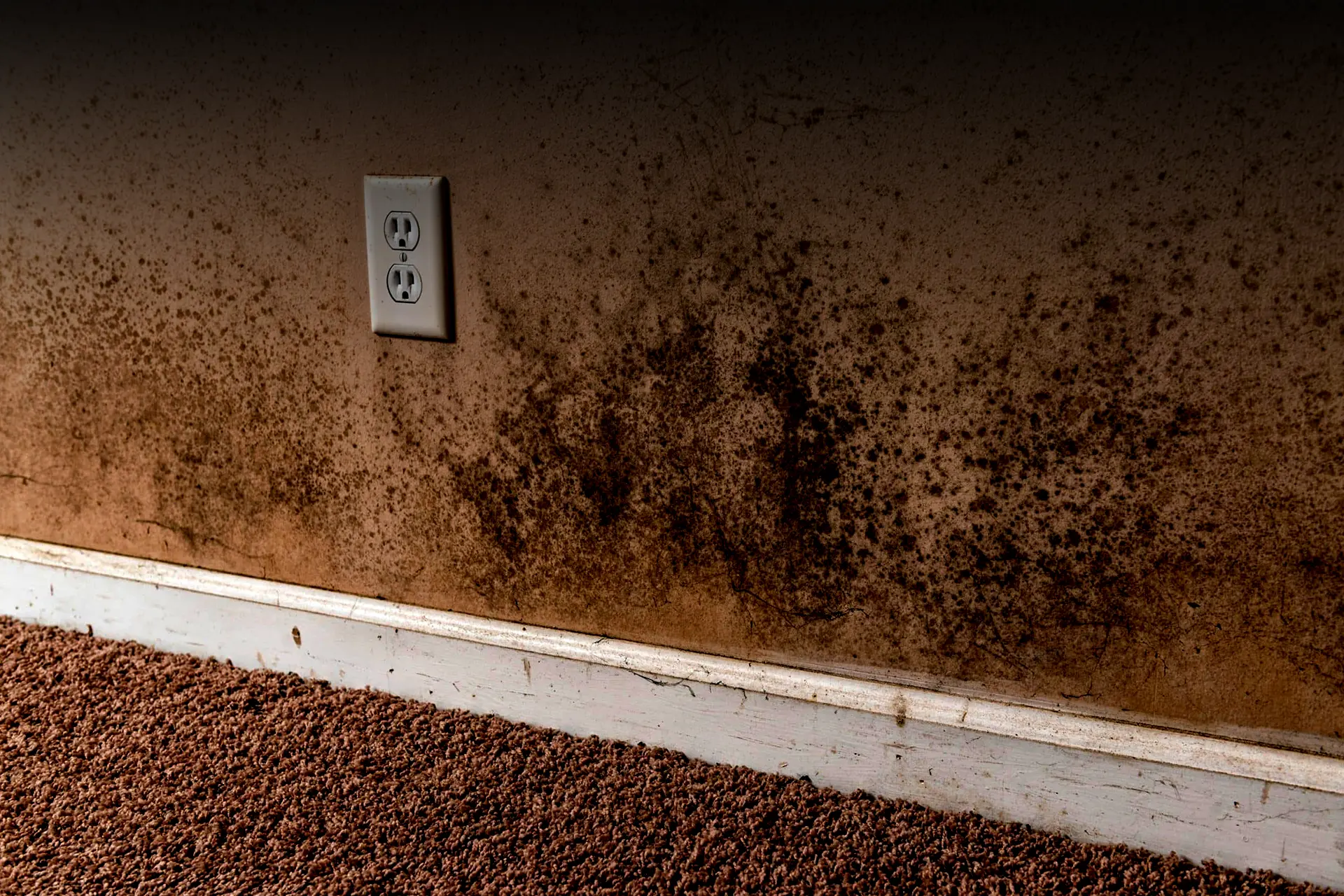
Before any rebuilding begins, moisture readings in framing, subfloor, and wall cavities must reach a dry standard. Rebuilding over materials that still hold moisture is one of the most common causes of mold returning months later — closing up walls too soon simply traps the problem instead of solving it.
2. Scope the Damage and Build an Estimate
We document every affected material — drywall, insulation, flooring, cabinetry, trim — and build a detailed, itemized reconstruction estimate. This documentation is also what your insurance adjuster will use to evaluate the claim, so accuracy here matters. Our team works directly with insurance carriers throughout this step; you can read more about how we help homeowners navigate insurance claims.
3. Demolition of Unsalvageable Materials
Drywall that absorbed contaminated water, swollen baseboards, and delaminated subflooring are removed. Anything that can be dried and restored — including many hardwood floors — is treated in place instead of replaced. Our guide on whether hardwood floors can be saved after water damage walks through how we make that call, and our wood floor drying services are often able to avoid a full floor replacement altogether.
4. Structural & Framing Repairs
Any structural components affected by prolonged moisture exposure — including subfloor, wall studs, and in some cases foundation-adjacent framing — are repaired before finishes go back on. If your water event affected the foundation itself, our article on water damage to your foundation explains what that repair scope typically involves.
5. Drywall, Insulation & Cabinetry
New insulation and drywall are installed and finished to match existing texture. Cabinets affected by water — a common issue in kitchens and bathrooms — are assessed using the same save-or-replace logic as flooring. Our wall and cabinet drying process is often able to preserve cabinetry that looks beyond saving.
6. Flooring & Carpet
Depending on the material and water category, carpet, pad, tile, and engineered flooring are either professionally dried and reinstalled or replaced with matching materials. See our approach to carpet and rug drying for what’s typically salvageable.
7. Paint, Trim & Final Finishes
The final stage brings your property back to its pre-loss appearance — paint, baseboards, door casing, and any remaining cosmetic finishes. This is the step homeowners notice most, but it’s only possible because of the work done in every stage before it.
8. Final Walkthrough
We complete a final walkthrough with you before considering the job done, addressing any punch-list items and confirming the space is fully restored — not just repaired to a passable standard.
How Long Does Reconstruction After Water Damage Take?
Timelines vary significantly based on scope. A single affected room with minor drywall and flooring work may take one to two weeks once drying is complete. A whole-floor or multi-room reconstruction involving structural repairs, cabinetry, and full flooring replacement can take several weeks to a few months. We provide a realistic, written timeline as part of every estimate so there are no surprises partway through the job.
Choosing a Reconstruction Contractor You Can Trust
Because reconstruction involves everything from framing to finish carpentry, it’s worth asking any contractor — including us — a few direct questions before work begins:
- Are you licensed, bonded, and insured to perform structural reconstruction, not just drying?
- Will the same team that handled mitigation also handle the rebuild, or will I be starting over with a new crew?
- Will you document the work for my insurance adjuster, and can you work directly with my carrier?
- What is your process for confirming materials are fully dry before closing up walls or flooring?
- Do you provide a written, itemized reconstruction estimate before work begins?
If mold was ever a concern during the mitigation phase, make sure your reconstruction contractor coordinates directly with a certified mold remediation team — closing up walls without confirming mold has been fully addressed is a mistake that’s expensive to undo.
| One Team, From Extraction to Final Walkthrough
All Clean Restoration handles mitigation and reconstruction under one roof, so nothing gets lost in the handoff. We’re licensed, bonded, insured, and IICRC certified, and we work directly with your insurance company from day one. Serving Belleville, IL and the entire Bi-State Metro area. |
Ready to talk through your reconstruction project? Explore our full water damage restoration services, confirm we serve your area, or contact us for a free estimate and a straightforward reconstruction timeline.
Recent Blog Articles:

🍽️ The Dreaded Thanksgiving Flush: Tips to Avoid a Septic System Disaster

🦃 A Holiday Disaster? Don’t Let Water Damage Ruin Your Thanksgiving

Preventing Winter Water Damage in Illinois and Missouri: Taking Prevention Seriously this Fall

Sewage Backup? Why You Need All Clean Restoration in Illinois and Missouri
All Clean Restoration's Other Services
Whether water, mold, fire, or smoke causes damage to your home or business, the effects are heartbreaking and often life-changing. We at All Clean Restoration understand the devastation and pain these events can cause. We also understand that quick and proper action is crucial to prevent further damage, red tape, and cost.

Licensed | Bonded | Insured