LICENSED | BONDED | INSURED
618-235-3202
The Clock is Ticking: Why Swift Action is Crucial for Hidden Water Damage in Your Illinois & Missouri Property – All Clean Restoration

If you've been devastated by water, mold, fire, and/or smoke damage, know that your cherished possessions, your home or business, can all be restored to pre-damage condition; bringing back your peace of mind.
Whether water, mold, fire, or smoke causes damage to your home or business, the effects are heartbreaking and often life-changing. We at All Clean Restoration understand the devastation and pain these events can cause. We also understand that quick and proper action is crucial to prevent further damage, red tape, and cost.
Call us any time, day or night:
1-800-4223944
Related Topics:
That damp patch behind the drywall, the subtle bubbling of paint, the faint musty smell you can’t quite place – these could be telltale signs of hidden water damage lurking within your Illinois or Missouri home or business. While seemingly minor at first, ignoring these subtle clues can lead to significant and costly long-term consequences.
At All Clean Restoration, serving both Illinois and Missouri, we understand that water damage doesn’t always make a grand entrance. Often, it creeps in silently, behind walls, under floors, or in ceilings, wreaking havoc before you even realize the extent of the problem. That’s why getting professional help quickly when you suspect hidden water damage is absolutely critical.
The Silent Destroyer: Long-Term Structural Damage from Unseen Water
Water, even when hidden, is a relentless force of destruction. Allowing it to persist within the structure of your Illinois or Missouri property can lead to:
- Wood Rot and Decay: Framing, subflooring, joists – all are vulnerable. Constant moisture weakens wood, leading to rot, instability, and eventually, structural failure. Imagine floors becoming soft and bouncy or walls losing their support – this is the potential outcome of ignored water damage.
- Drywall and Plaster Degradation: Waterlogged drywall loses its integrity, becoming soft, crumbly, and prone to mold growth. Plaster can crack and detach from lath. Extensive replacement becomes necessary.
- Insulation Damage: Wet insulation loses its R-value, leading to higher energy bills. It also becomes a breeding ground for mold and can compress, losing its insulating properties permanently.
- Foundation Issues: Persistent water pooling around or seeping into your foundation in Illinois or Missouri can lead to cracks, shifting, and even structural compromise, requiring incredibly costly repairs.
- Corrosion of Metal Components: Pipes, wiring, and other metal fixtures exposed to prolonged moisture can corrode and fail, leading to plumbing leaks, electrical hazards, and costly replacements.
The longer hidden water damage goes unaddressed, the more extensive and expensive these structural repairs will become, potentially compromising the safety and stability of your entire property in Illinois or Missouri.
The Invisible Health Threat: Long-Term Impact on Well-being
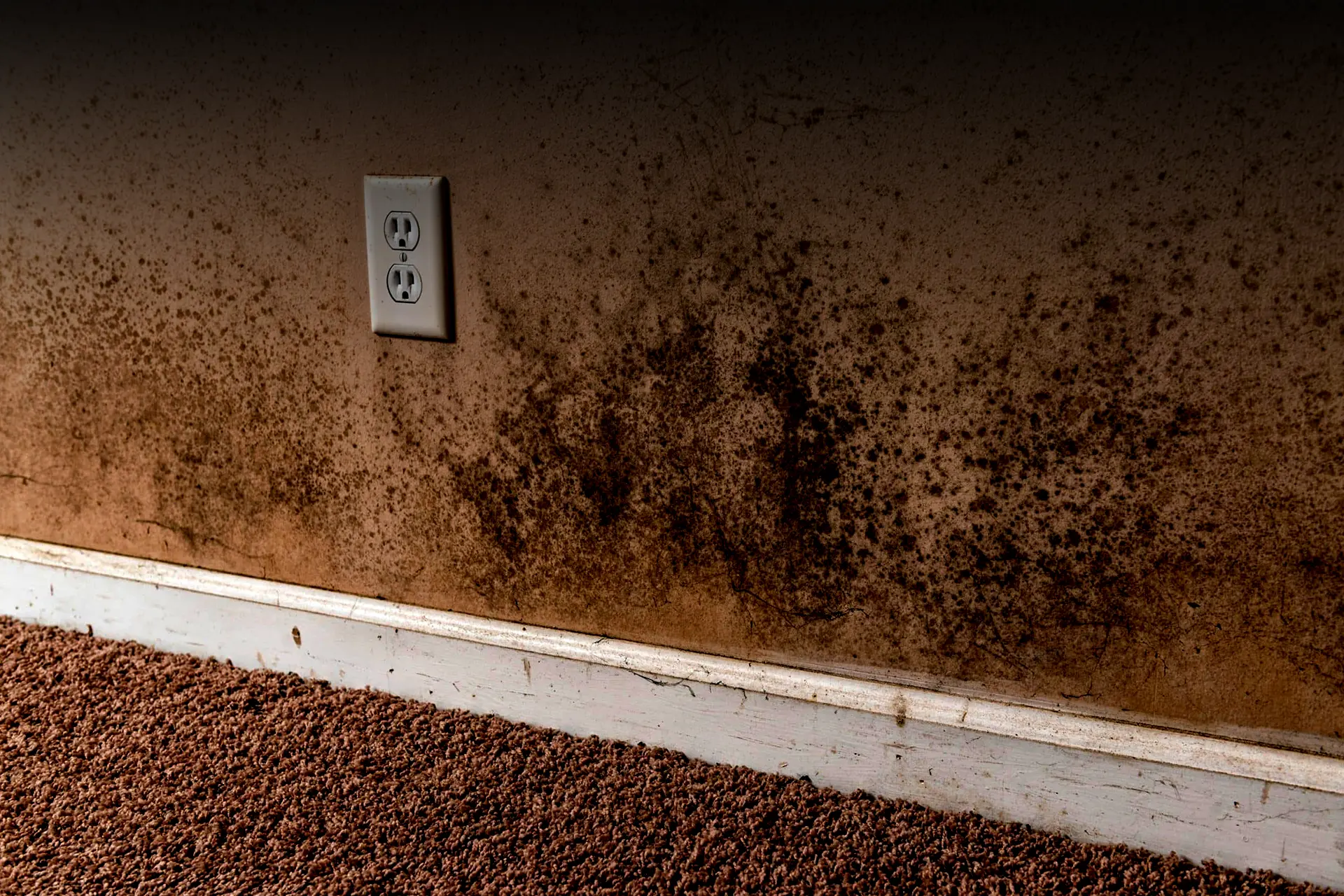
Beyond the physical damage, hidden water creates the perfect environment for mold growth. As we’ve discussed before, mold poses significant long-term health risks to occupants of Illinois and Missouri properties, including:
- Chronic Respiratory Issues: Allergies, asthma, and other respiratory problems can be triggered or worsened by mold spores that thrive in damp, hidden areas.
- Persistent Irritation: Eyes, nose, throat, and skin can suffer from ongoing irritation due to airborne mold particles.
- Potential for Mycotoxin Exposure: Some molds produce toxins that, with prolonged exposure, may lead to more serious health concerns.
Ignoring hidden water damage is essentially allowing a silent health hazard to proliferate within your Illinois or Missouri home or business, putting the well-being of everyone inside at risk.
The Dwindling Value: Long-Term Financial Implications
Unaddressed water damage, even if hidden, can significantly impact the long-term financial health of your Illinois or Missouri property:
- Decreased Property Value: A history of water damage and mold can drastically reduce the market value of your home or business.
- Difficulties Selling or Renting: Potential buyers or tenants are often wary of properties with known water damage issues.
- Increased Insurance Premiums: Filing water damage claims can lead to higher insurance rates in the future.
- Lost Business Revenue: For businesses in Illinois or Missouri, disruptions caused by extensive repairs due to neglected water damage can lead to significant financial losses.
Acting quickly to address hidden water damage is an investment in the long-term value and financial stability of your property.
Don’t Wait for Disaster: Call All Clean Restoration at the First Sign!
The key to mitigating the devastating long-term effects of hidden water damage in your Illinois or Missouri property is speedy detection and professional intervention. If you notice any signs – no matter how subtle – don’t hesitate.
All Clean Restoration is your trusted partner in Illinois and Missouri for rapid and effective water damage restoration. We offer:
- Prompt Emergency Response: We’re available 24/7 to address your water damage concerns quickly.
- Advanced Detection Techniques: Our trained professionals use specialized equipment to locate hidden water sources and assess the full extent of the damage.
- Comprehensive Water Extraction and Drying: We act swiftly to remove standing water and thoroughly dry affected areas, preventing further damage and mold growth.
- Expert Mold Remediation: If mold has already begun to grow, we have the expertise to safely and effectively remove it.
- Thorough Restoration Services: We’ll restore your property to its pre-damage condition, addressing structural issues, cleaning, and disinfecting.
Don’t let hidden water silently destroy your Illinois or Missouri home or business. Call All Clean Restoration immediately at the first sign of trouble. The clock is ticking, and swift action can save you significant time, money, and stress in the long run. We’re here to help you dry out and recover, fast!
Recent Blog Articles:

4 Steps to Protect from High Winds Before the Storm

Navigating the Aftermath: A Guide to Flood Damage Moisture Control

From Chaos to Clean: Your Guide to Fire Damage Restoration in Illinois and Missouri

The Silent Threat: How a Leaking Water Heater Could Be a Ticking Time Bomb
All Clean Restoration's Other Services
Whether water, mold, fire, or smoke causes damage to your home or business, the effects are heartbreaking and often life-changing. We at All Clean Restoration understand the devastation and pain these events can cause. We also understand that quick and proper action is crucial to prevent further damage, red tape, and cost.

Licensed | Bonded | Insured