LICENSED | BONDED | INSURED
618-235-3202
The Hidden Costs of Water Damage: Protecting Your Illinois or Missouri Property and Health

If you've been devastated by water, mold, fire, and/or smoke damage, know that your cherished possessions, your home or business, can all be restored to pre-damage condition; bringing back your peace of mind.
Whether water, mold, fire, or smoke causes damage to your home or business, the effects are heartbreaking and often life-changing. We at All Clean Restoration understand the devastation and pain these events can cause. We also understand that quick and proper action is crucial to prevent further damage, red tape, and cost.
Call us any time, day or night:
1-800-4223944
Related Topics:
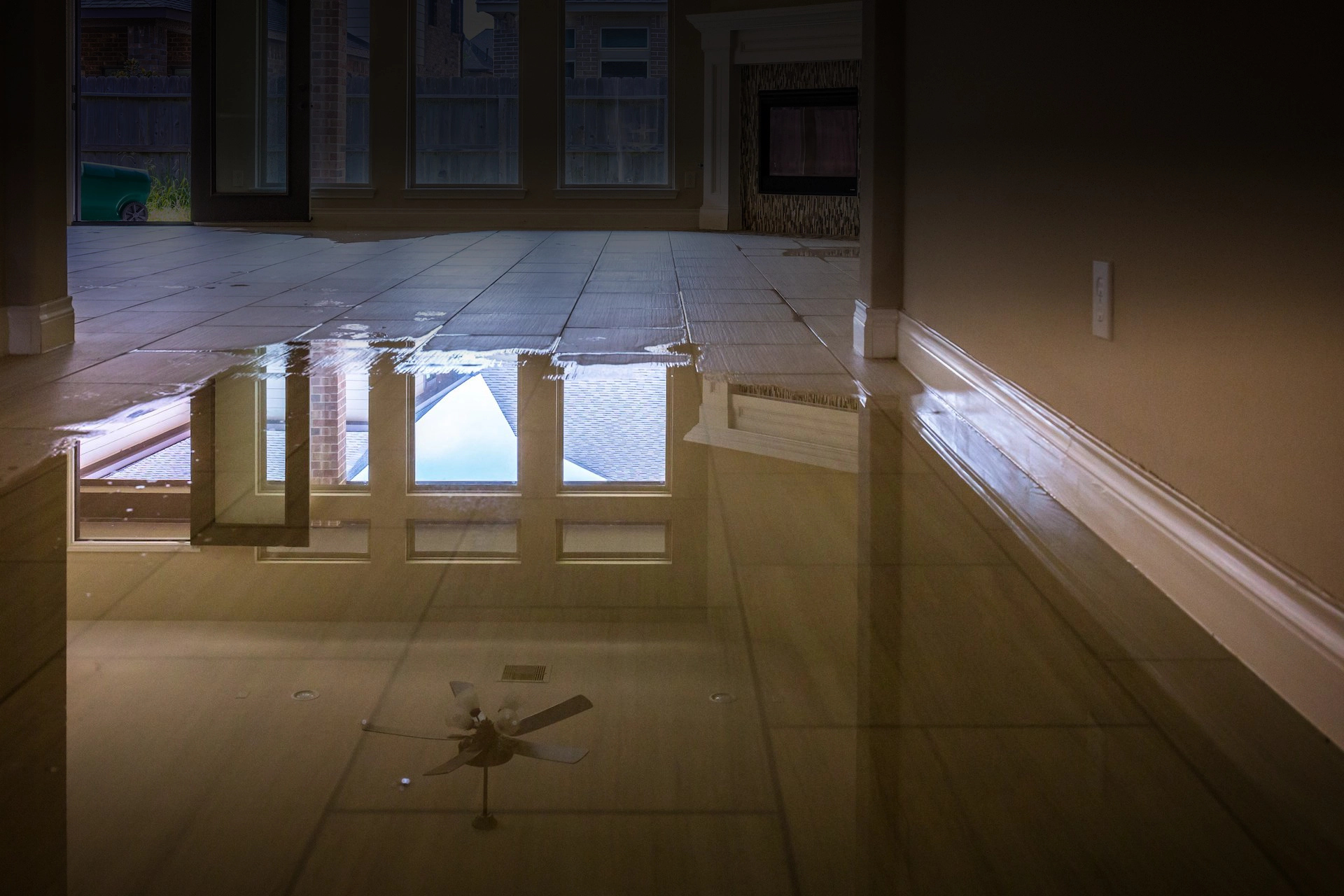
Water damage. Just the words can send a shiver down your spine. Whether it’s a burst pipe in the dead of an Illinois winter, a flash flood sweeping through Missouri, or a seemingly minor appliance leak, the consequences can be far more significant – and costly – than you might initially think. At All Clean Restoration, serving both Illinois and Missouri, we’ve seen firsthand the devastating impact of neglected water damage, not just on your property’s structure, but also on your health and long-term financial well-being.
Ignoring water damage, no matter how small it seems, is a gamble with potentially high stakes. Let’s delve into the true cost of water damage, the serious health risks of DIY gone wrong, and the lasting effects it can have on your Illinois or Missouri home or business.
The Rising Price Tag: Understanding the True Cost of Water Damage
While the initial shock of a water intrusion event is often focused on the immediate visible damage – the soaked carpets, the warped flooring – the financial burden extends far beyond these surface issues. Here’s a breakdown of the escalating costs you might face if water damage isn’t addressed promptly and professionally:
- Structural Damage: Water weakens building materials like drywall, wood, and insulation. Over time, this can lead to sagging ceilings, warped walls, and compromised structural integrity, requiring extensive and expensive repairs or even complete replacements. Think of the foundation of your Illinois home battling constant moisture in the spring thaw, or the wooden beams of your Missouri business slowly rotting from a hidden roof leak.
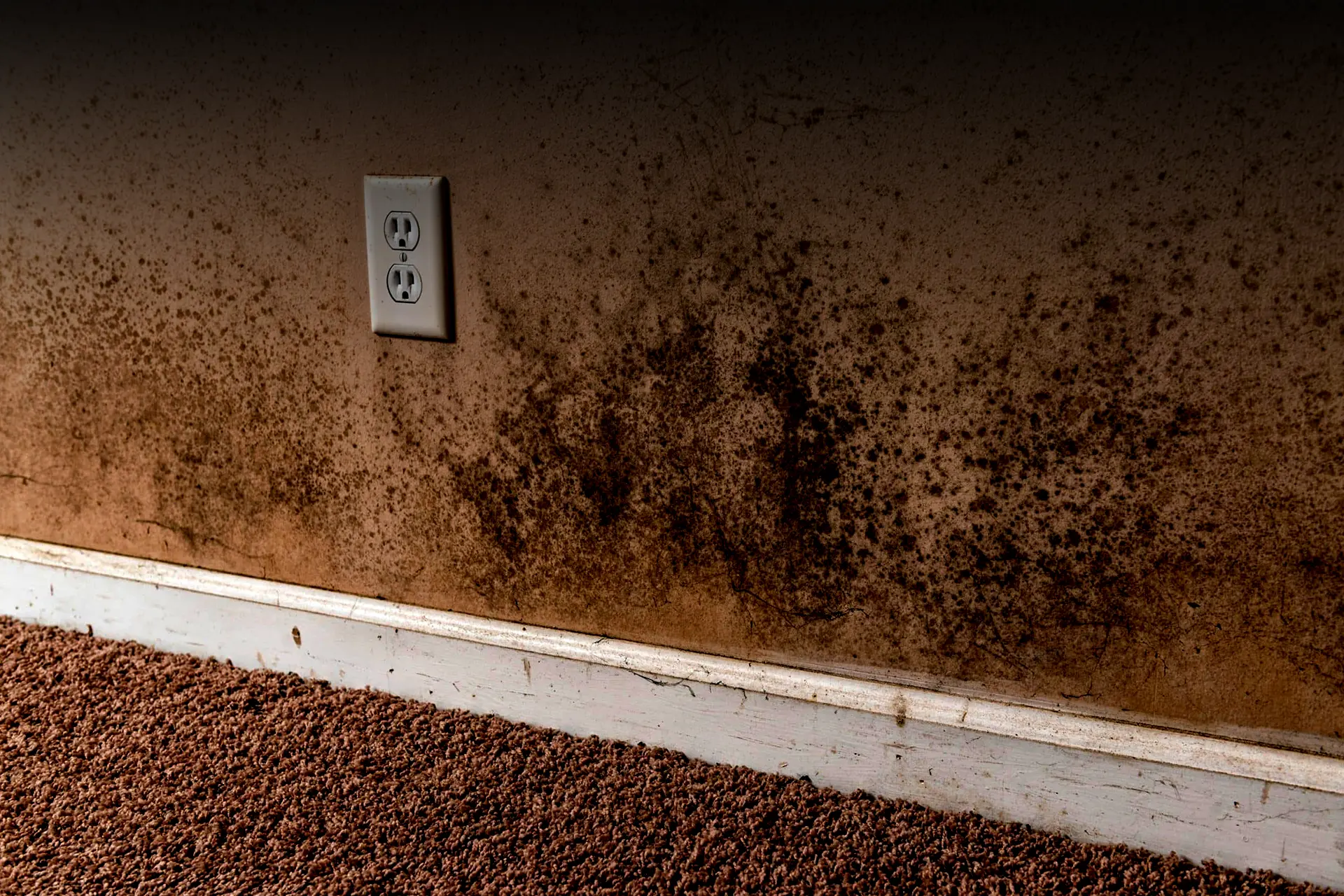
- Mold Infestation: This is a significant and often hidden cost. Mold thrives in damp, dark environments – the perfect conditions created by water damage. Mold remediation is a specialized process that can be costly, involving containment, removal, and often the repair of affected materials. Ignoring initial water damage significantly increases the likelihood of a widespread mold problem in your Illinois or Missouri property.
- Damage to Belongings: Water can ruin furniture, electronics, documents, and personal items. The longer these items are exposed to moisture, the less likely they are to be salvageable, leading to significant replacement costs. Consider precious family heirlooms damaged by a leaky pipe in your Missouri attic.
- Reduced Property Value: Undisclosed or poorly repaired water damage can significantly decrease the value of your Illinois or Missouri home or business. Potential buyers will be wary of past issues and the potential for future problems.
- Increased Utility Bills: Hidden leaks can lead to a constant drain on your water bill. Additionally, damp environments can make your HVAC system work harder, increasing energy consumption.
The Invisible Threat: Health Risks of Unprofessional Water Damage Cleanup
While the urge to tackle water damage yourself might be strong, especially for seemingly minor incidents, doing so without the proper knowledge and equipment can expose you and others to serious health risks:
- Mold Exposure: As mentioned earlier, mold growth is a significant concern. Inhaling mold spores can trigger allergic reactions, asthma attacks, and other respiratory problems. Certain types of mold can even produce mycotoxins, which can lead to more severe health issues. Improper cleanup can actually spread mold spores throughout your Illinois or Missouri property.
- Bacterial and Viral Contamination: Floodwater and sewage backups can contain harmful bacteria, viruses, and parasites. Direct contact or inhalation of contaminated water can lead to various illnesses. Without professional disinfection, these contaminants can linger and pose a long-term health threat in your Illinois or Missouri space.
- Chemical Exposure: Depending on the source of the water damage (e.g., appliance leaks with cleaning chemicals), you could be exposed to harmful substances during cleanup. Professionals have the necessary protective gear and knowledge to handle these situations safely.
- Hidden Moisture and Ongoing Issues: Without professional moisture detection equipment, you might miss hidden pockets of moisture behind walls or under flooring. This residual dampness will continue to fuel mold growth and structural decay, leading to recurring health problems and property damage in your Illinois or Missouri home or business.
The Long Game: Lasting Effects on Your Illinois or Missouri Home or Business
Neglecting water damage doesn’t just lead to immediate costs and health risks; it can have long-term, detrimental effects on your Illinois or Missouri property:
- Chronic Mold Problems: Once mold takes hold, it can be incredibly difficult to eradicate completely without professional remediation. Recurring mold issues can plague your property, impacting air quality and the health of occupants for years to come in your Illinois or Missouri location.
- Structural Instability: The gradual weakening of structural components can eventually lead to significant safety hazards and costly repairs down the line in your Illinois or Missouri property. Ignoring early signs of damage can lead to catastrophic failures.
- Persistent Odors: Lingering musty odors from mold and water damage can be difficult to eliminate and can negatively impact the comfort and appeal of your Illinois or Missouri home or business.
- Foundation Issues: In areas like Illinois and Missouri with significant freeze-thaw cycles and varying soil conditions, prolonged exposure to moisture can exacerbate foundation problems, leading to cracks, shifting, and costly repairs.
Don’t Wait for Disaster: Choose All Clean Restoration in Illinois & Missouri
Water damage is a serious issue that demands a professional response. At All Clean Restoration, serving Illinois and Missouri, we have the expertise, equipment, and experience to:
- Thoroughly assess the extent of the water damage.
- Safely and effectively extract all standing water.
- Professionally dry and dehumidify affected areas, including hidden spaces.
- Identify and remediate mold growth.
- Disinfect and sanitize contaminated areas.
- Repair structural damage caused by water.
- Help you navigate the insurance claims process.
Ignoring water damage might seem like a way to save money in the short term, but the long-term financial and health consequences for your Illinois or Missouri home or business can be devastating. Protect your property, safeguard your health, and ensure lasting peace of mind.
If you suspect water damage in your Illinois or Missouri home or business, don’t delay. Contact All Clean Restoration today for a professional assessment and immediate action. We’re available 24/7 to help you restore your property and your peace of mind.
Recent Blog Articles:

4 Steps to Protect from High Winds Before the Storm

Navigating the Aftermath: A Guide to Flood Damage Moisture Control

From Chaos to Clean: Your Guide to Fire Damage Restoration in Illinois and Missouri

The Silent Threat: How a Leaking Water Heater Could Be a Ticking Time Bomb
All Clean Restoration's Other Services
Whether water, mold, fire, or smoke causes damage to your home or business, the effects are heartbreaking and often life-changing. We at All Clean Restoration understand the devastation and pain these events can cause. We also understand that quick and proper action is crucial to prevent further damage, red tape, and cost.

Licensed | Bonded | Insured