LICENSED | BONDED | INSURED
618-235-3202
The Unseen Threat: Long-Term Effects of Mold Damage on Illinois & Missouri Homes and Businesses – All Clean Restoration

If you've been devastated by water, mold, fire, and/or smoke damage, know that your cherished possessions, your home or business, can all be restored to pre-damage condition; bringing back your peace of mind.
Whether water, mold, fire, or smoke causes damage to your home or business, the effects are heartbreaking and often life-changing. We at All Clean Restoration understand the devastation and pain these events can cause. We also understand that quick and proper action is crucial to prevent further damage, red tape, and cost.
Call us any time, day or night:
1-800-4223944
Related Topics:
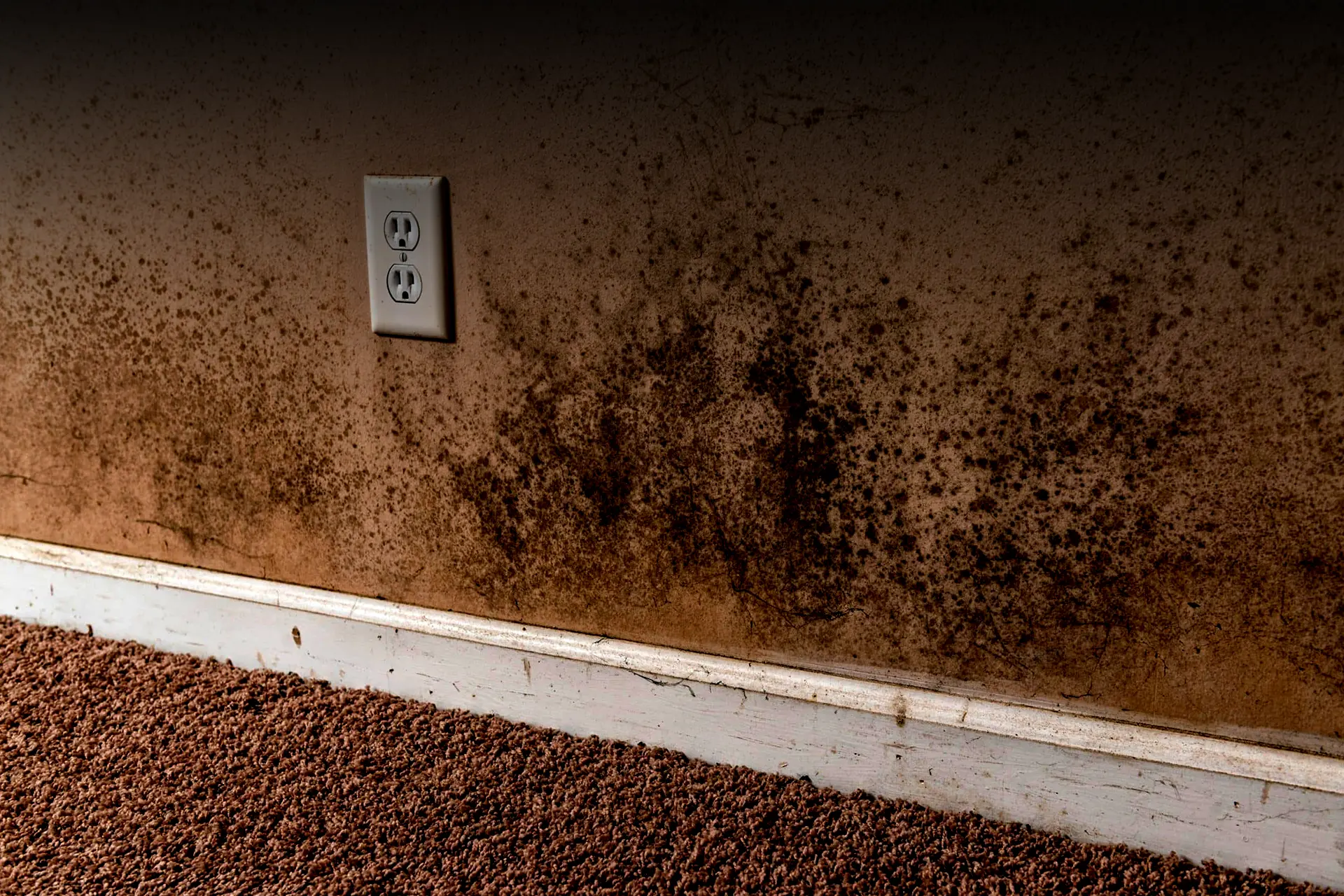
That musty odor in your Illinois or Missouri property might seem like a minor inconvenience, but it could be a sign of a much larger, long-term problem: mold damage. While often associated with unsightly black spots, the consequences of unchecked mold growth extend far beyond aesthetics, impacting the structural integrity of your building, the health of its occupants, and ultimately, its value.
At All Clean Restoration, serving both Illinois and Missouri, we understand the insidious nature of mold. It thrives in damp, hidden areas, often stemming from seemingly small water leaks or humidity issues. Ignoring a mold problem can lead to a cascade of detrimental long-term effects that can be costly and disruptive to your life or business.
The Slow Erosion: Structural Damage Caused by Mold
Mold isn’t just a surface issue; it actively breaks down organic materials it colonizes. In Illinois and Missouri, where humidity levels can fluctuate and basements are common, mold can silently feast on:
- Wood: From structural beams and joists to subflooring and window frames, mold weakens wood, leading to rot, instability, and the potential for costly repairs or even structural failure. Imagine floorboards becoming spongy or support beams losing their integrity over time – this is the reality of prolonged mold infestation.
- Drywall and Plaster: These porous materials provide an ideal breeding ground for mold. Over time, mold can degrade the structural integrity of walls and ceilings, requiring extensive replacement.
- Insulation: Mold growth in insulation not only diminishes its R-value, leading to higher energy bills, but also contaminates the air circulating throughout your property.
- Carpeting and Fabrics: Mold can weaken fibers, causing them to deteriorate and crumble.
Ignoring mold allows this slow erosion to continue, compromising the very foundation and structure of your Illinois or Missouri home or business.
The Hidden Health Hazard: Long-Term Impact on Occupants
Beyond structural damage, mold poses significant long-term health risks to the people living or working in affected Illinois or Missouri properties. Mold spores are microscopic and easily become airborne, leading to a range of health issues, especially with prolonged exposure:
- Persistent Allergies and Respiratory Problems: Mold is a known allergen and can trigger or worsen asthma and other respiratory conditions. Long-term exposure can lead to chronic coughing, wheezing, shortness of breath, and even the development of new allergies.
- Irritation and Inflammation: Mold spores can irritate the eyes, nose, throat, and skin, leading to persistent itching, redness, and other uncomfortable symptoms.
- Mycotoxins and Potential Long-Term Illnesses: Some types of mold produce mycotoxins, toxic substances that, with prolonged exposure, have been linked to more severe health problems, including neurological issues, fatigue, and immune system suppression. While research is ongoing, the potential for long-term health consequences is a serious concern.
- Increased Susceptibility to Infections: A weakened immune system due to chronic mold exposure can make individuals more susceptible to other infections and illnesses.
The health of your family, employees, or customers in Illinois or Missouri is paramount. Ignoring a mold problem puts their long-term well-being at risk.
The Lingering Stigma: Impact on Property Value and Reputation
A history of mold damage can significantly impact the value and desirability of your Illinois or Missouri home or business.
- Reduced Property Value: Potential buyers or renters are often wary of properties with known mold issues, leading to lower offers and longer vacancy periods.
- Difficulty Selling or Renting: Disclosing a past or present mold problem can deter potential occupants, making it harder to sell or rent your property.
- Damage to Business Reputation: For businesses in Illinois or Missouri, a visible or known mold problem can damage their reputation, leading to loss of customers and trust.
Addressing mold proactively protects your investment and ensures the long-term value and appeal of your property.
Don’t Let Mold Take Hold: Call All Clean Restoration Today!
Identifying and addressing mold damage early is crucial to preventing these severe long-term consequences for your Illinois or Missouri home or business. If you suspect a mold problem – whether it’s a visible growth, a persistent musty odor, or a history of water damage – don’t wait for the situation to worsen.
All Clean Restoration is your trusted partner in Illinois and Missouri for comprehensive mold remediation. Our certified professionals have the expertise, training, and specialized equipment to:
- Thoroughly inspect your property to identify the source and extent of the mold growth.
- Safely and effectively contain and remove the mold using industry-best practices.
- Address the underlying moisture issues to prevent future mold growth.
- Clean and disinfect affected areas to restore a healthy environment.
Protect your property, your health, and your future. Contact All Clean Restoration today for a professional mold inspection and remediation services in Illinois and Missouri. Don’t let the unseen threat of mold silently damage your investment and well-being.
Recent Blog Articles:

4 Steps to Protect from High Winds Before the Storm

Navigating the Aftermath: A Guide to Flood Damage Moisture Control

From Chaos to Clean: Your Guide to Fire Damage Restoration in Illinois and Missouri

The Silent Threat: How a Leaking Water Heater Could Be a Ticking Time Bomb
All Clean Restoration's Other Services
Whether water, mold, fire, or smoke causes damage to your home or business, the effects are heartbreaking and often life-changing. We at All Clean Restoration understand the devastation and pain these events can cause. We also understand that quick and proper action is crucial to prevent further damage, red tape, and cost.


Licensed | Bonded | Insured