LICENSED | BONDED | INSURED
618-235-3202
Understanding Green Mold: Definition, Causes, and Solutions

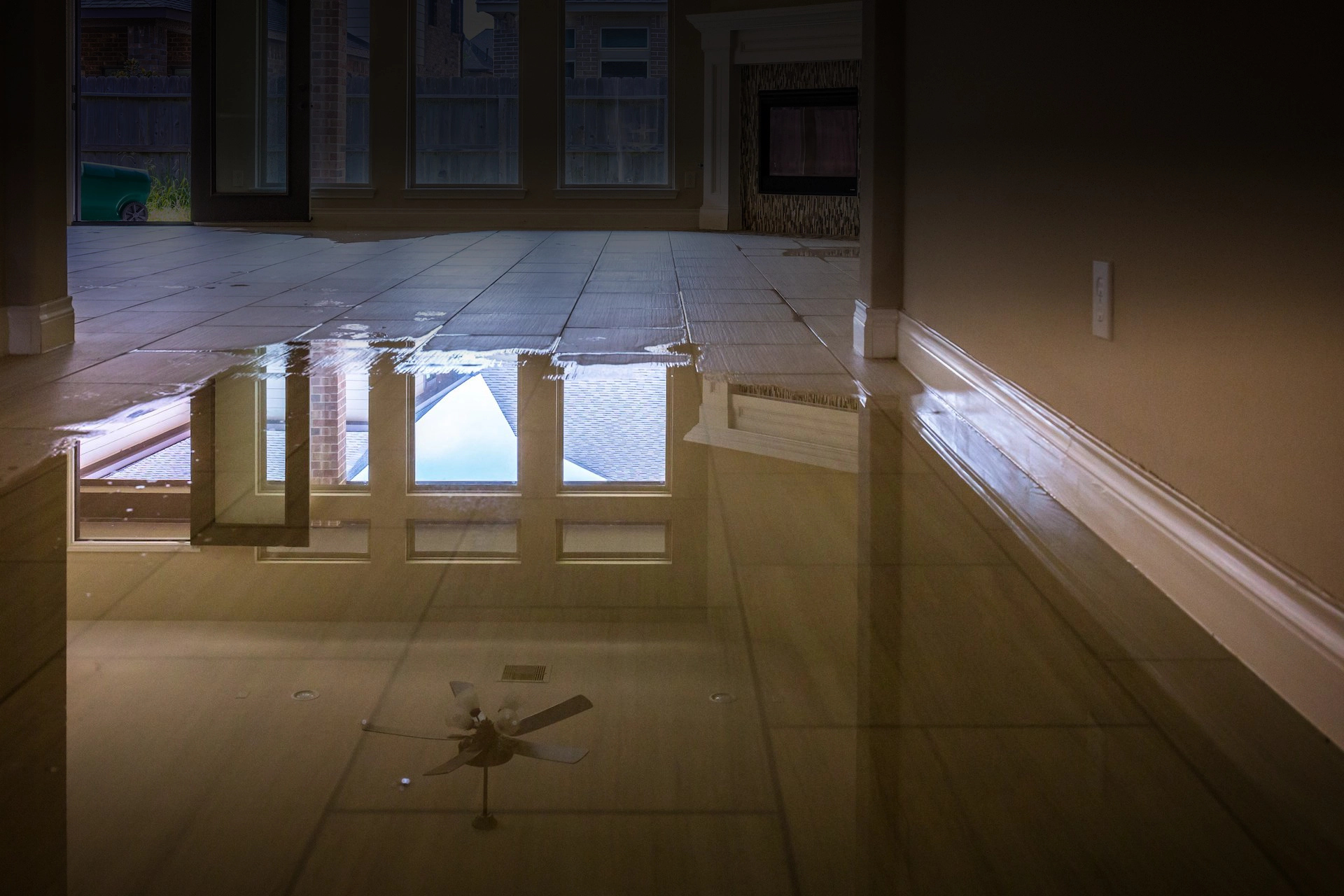
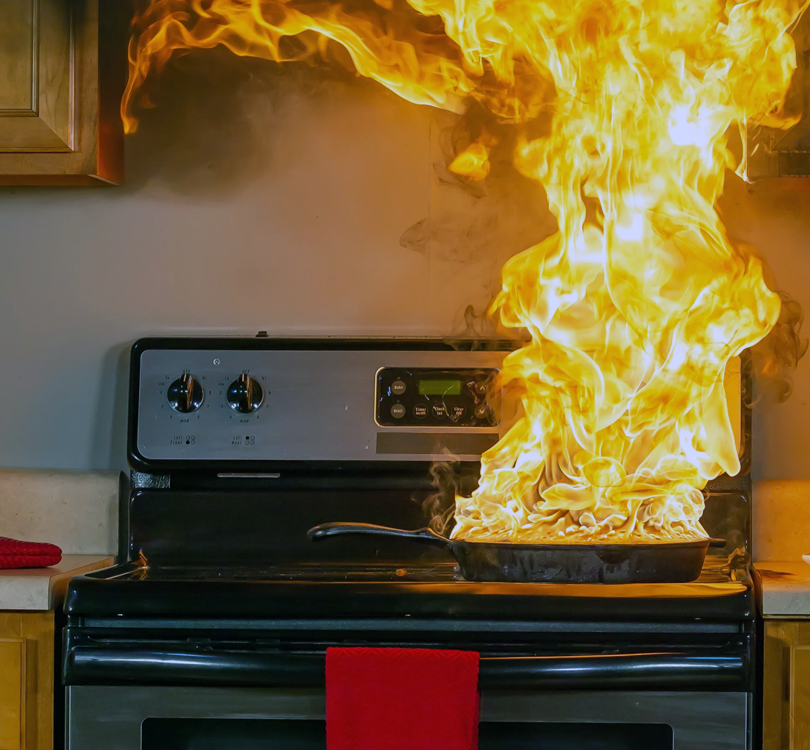
If you've been devastated by water, mold, fire, and/or smoke damage, know that your cherished possessions, your home or business, can all be restored to pre-damage condition; bringing back your peace of mind.
Whether water, mold, fire, or smoke causes damage to your home or business, the effects are heartbreaking and often life-changing. We at All Clean Restoration understand the devastation and pain these events can cause. We also understand that quick and proper action is crucial to prevent further damage, red tape, and cost.
Call us any time, day or night:
1-800-4223944
Related Topics:
As a leading restoration company in Missouri and Illinois, we at All Clean Restoration know that mold is a common problem for homeowners and businesses alike. While many people fear the dreaded “black mold,” what they don’t realize is that some of the most common molds found indoors are green. This is why we’ve put together a comprehensive guide to help you understand what green mold is, why it appears, and what you can do about it.
What Is Green Mold?
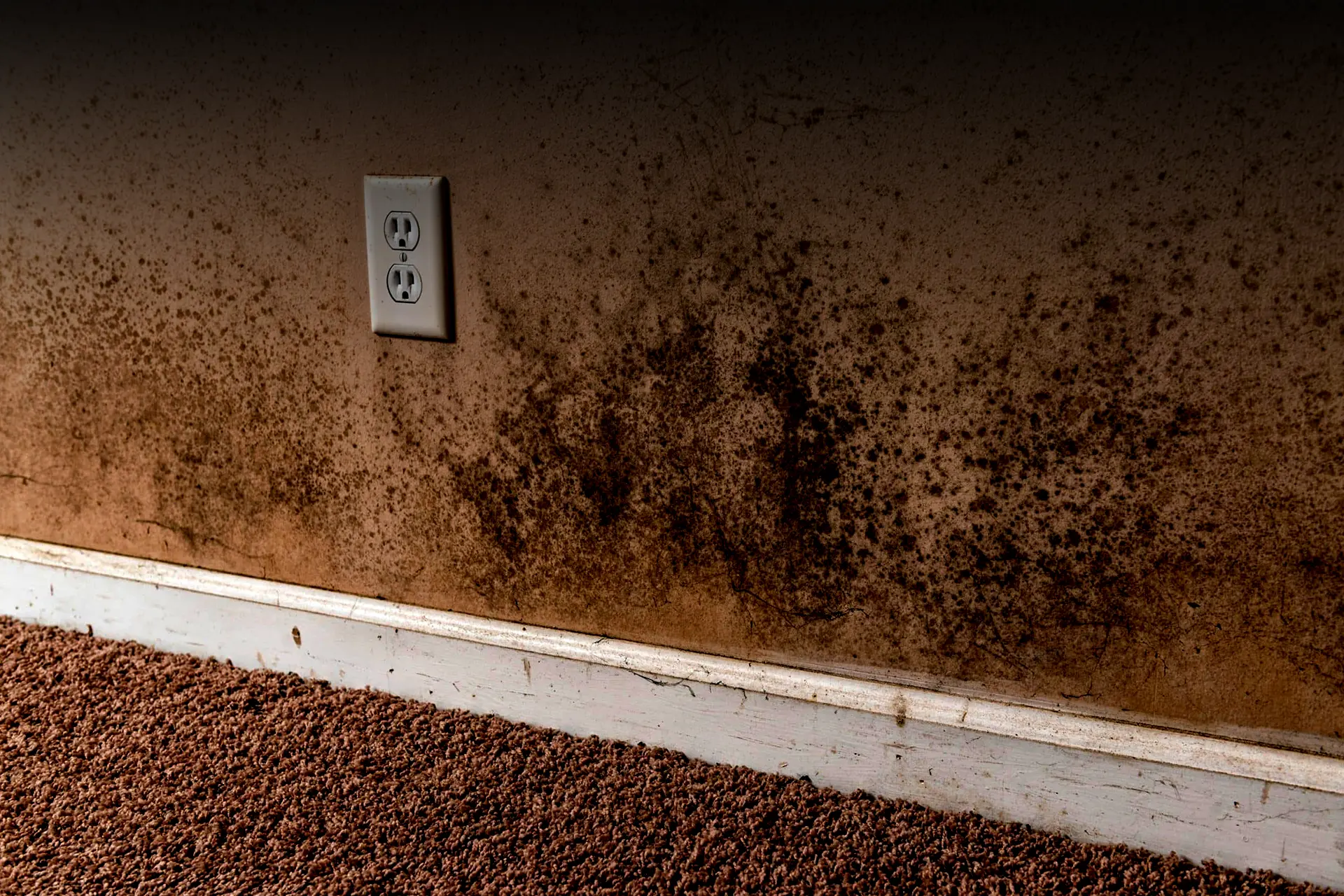
The term green mold isn’t a single species but rather a general description for any type of fungus that appears green. These molds often form soft, fuzzy, or powdery patches with hues ranging from olive to blue-green. Just like all molds, green mold thrives on organic materials in damp, moist conditions.
You might find it growing on common items like spoiled foods or on wet surfaces inside buildings.
The presence of mold starts with microscopic spores that are virtually everywhere in our environment. When these spores land on a damp surface with a food source—like wood, drywall, or dust—they can germinate and form a colony. The most critical factor for mold growth is excess moisture, which often comes from things like:
- Leaking roofs or pipes
- High indoor humidity
- Water from flooding or storms
Essentially, if you have persistent moisture meeting an organic material, especially in an area with poor ventilation, you have a recipe for green mold. Preventing it is all about controlling the moisture!
Common Types of Green Mold
While it’s impossible to identify a specific mold species just by its color, many green molds you encounter indoors belong to three common genera. Here’s what you need to know about them:
- Cladosporium: This mold often appears as olive-green to blackish-green growth. It can colonize damp surfaces like wood, carpets, and drywall and is frequently found on cool, porous surfaces such as window sills and bathroom walls.
- Aspergillus: This is a large genus with many species that produce green spores. You’ve likely seen it on spoiled food, but it’s also commonly found in damp basements or crawl spaces. Some species can appear blue-green or yellow-green and are often present in water-damaged buildings.
- Penicillium: Known for its role in the antibiotic penicillin, this mold typically forms blue-green or greenish colonies with a velvety texture. It grows on water-damaged materials and is often seen on food items like decaying fruits or bread. While useful in medicine, some Penicillium species can produce mycotoxins that are harmful to humans and pets.
Keep in mind that the color of mold isn’t a reliable indicator of its danger. While green molds can produce toxins, so can molds of other colors. The only way to definitively identify a species is through laboratory testing.
Health Risks of Green Mold Exposure
Exposure to any indoor mold, including green mold, can pose health risks, particularly for sensitive individuals. Molds release spores and microscopic fragments that can be inhaled or come into contact with your skin, leading to a variety of symptoms.
- Allergic Reactions: Mold exposure is a common trigger for allergy symptoms like a stuffy nose, sneezing, coughing, wheezing, and skin or eye irritation.
- Asthma: For those with asthma or other respiratory issues, breathing in mold spores can trigger an asthma attack.
- Toxic Effects: Some green molds, such as certain species of Aspergillus and Penicillium, produce toxic byproducts called mycotoxins. These can cause more severe symptoms like headaches, dizziness, or fatigue.
Infants, children, the elderly, and people with allergies or compromised immune systems are most vulnerable to the health effects of mold. That’s why it’s so important to address any mold growth as soon as you find it.
Professional Mold Remediation: Your Best Solution
While you may be able to handle a very small patch of mold yourself, the EPA recommends hiring a professional mold remediation company if the growth covers more than 10 square feet or if it’s the result of major water damage. At All Clean Restoration, we follow industry best practices to safely and effectively remove mold from your property.
Our professional remediation process includes:
- Identifying and Fixing the Moisture Source: This is the most critical step. We find and repair the source of the water problem to ensure mold doesn’t return.
- Assessing the Damage: Our team evaluates the extent of the mold growth, including any hidden areas behind walls or under floors.
- Protecting Your Property: We use containment barriers and negative air pressure to prevent mold spores from spreading to other areas of your home.
- Safe Removal: Our technicians use personal protective equipment (PPE) and specialized equipment to remove mold-damaged materials like drywall, carpet, and insulation.
- Cleaning and Disinfecting: We thoroughly clean and disinfect remaining hard surfaces to eliminate any residual mold.
- Restoration and Drying: Finally, we use industrial-strength dehumidifiers and fans to dry the area completely, ensuring the environment is restored to a safe, healthy condition.
Prevent Green Mold from Returning
The best way to fight mold is to prevent it from ever growing in the first place. This means staying on top of moisture control and keeping your indoor environment dry.
- Keep Humidity Low: Use air conditioners or dehumidifiers to maintain a relative humidity below 50%.
- Ventilate: Use exhaust fans in kitchens, bathrooms, and laundry rooms to vent moisture outside.
- Fix Leaks Immediately: Don’t wait to repair leaking pipes, roofs, or faucets.
- Dry Wet Materials: If you have a water event, dry out all materials within 24–48 hours to prevent mold from taking hold.
Whether you’re dealing with a small patch of mold or a widespread infestation, All Clean Restoration is here to help. We are experts in mold remediation for Missouri and Illinois homes and businesses. Our team is trained to handle any mold problem safely and efficiently, ensuring your property is clean and your family is safe.
If you suspect you have a mold problem, don’t wait. Call us today for a professional assessment!
Recent Blog Articles:

Navigating the Aftermath: A Guide to Flood Damage Moisture Control

From Chaos to Clean: Your Guide to Fire Damage Restoration in Illinois and Missouri

The Silent Threat: How a Leaking Water Heater Could Be a Ticking Time Bomb

Mold is Back? Here’s Why Mold Remediation Isn’t Just a One-Time Fix
All Clean Restoration's Other Services
Whether water, mold, fire, or smoke causes damage to your home or business, the effects are heartbreaking and often life-changing. We at All Clean Restoration understand the devastation and pain these events can cause. We also understand that quick and proper action is crucial to prevent further damage, red tape, and cost.

Licensed | Bonded | Insured