LICENSED | BONDED | INSURED
618-235-3202
Water Under Your Floors: A Missouri & Illinois Homeowner’s Nightmare Solved by All Clean Restoration

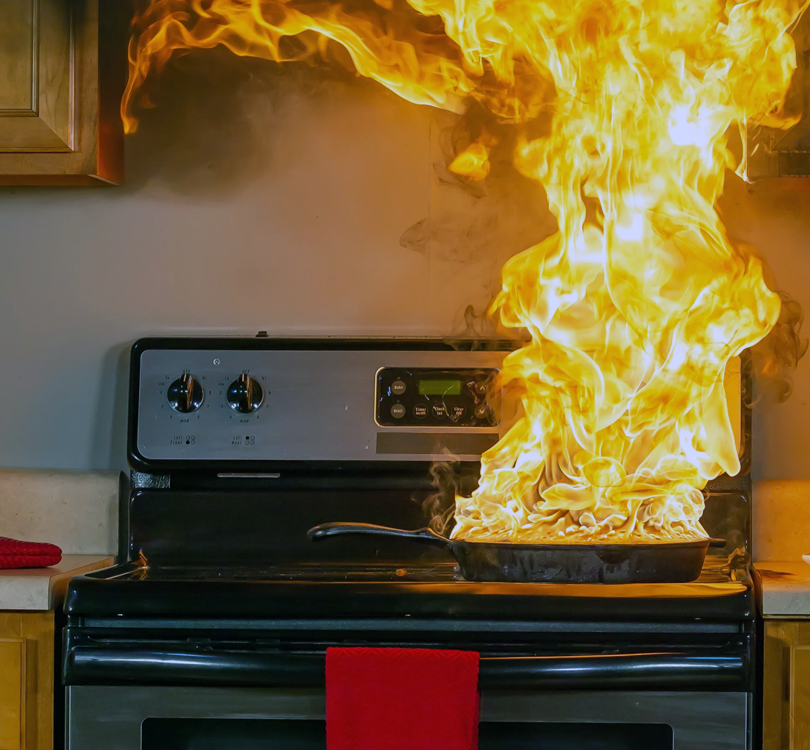
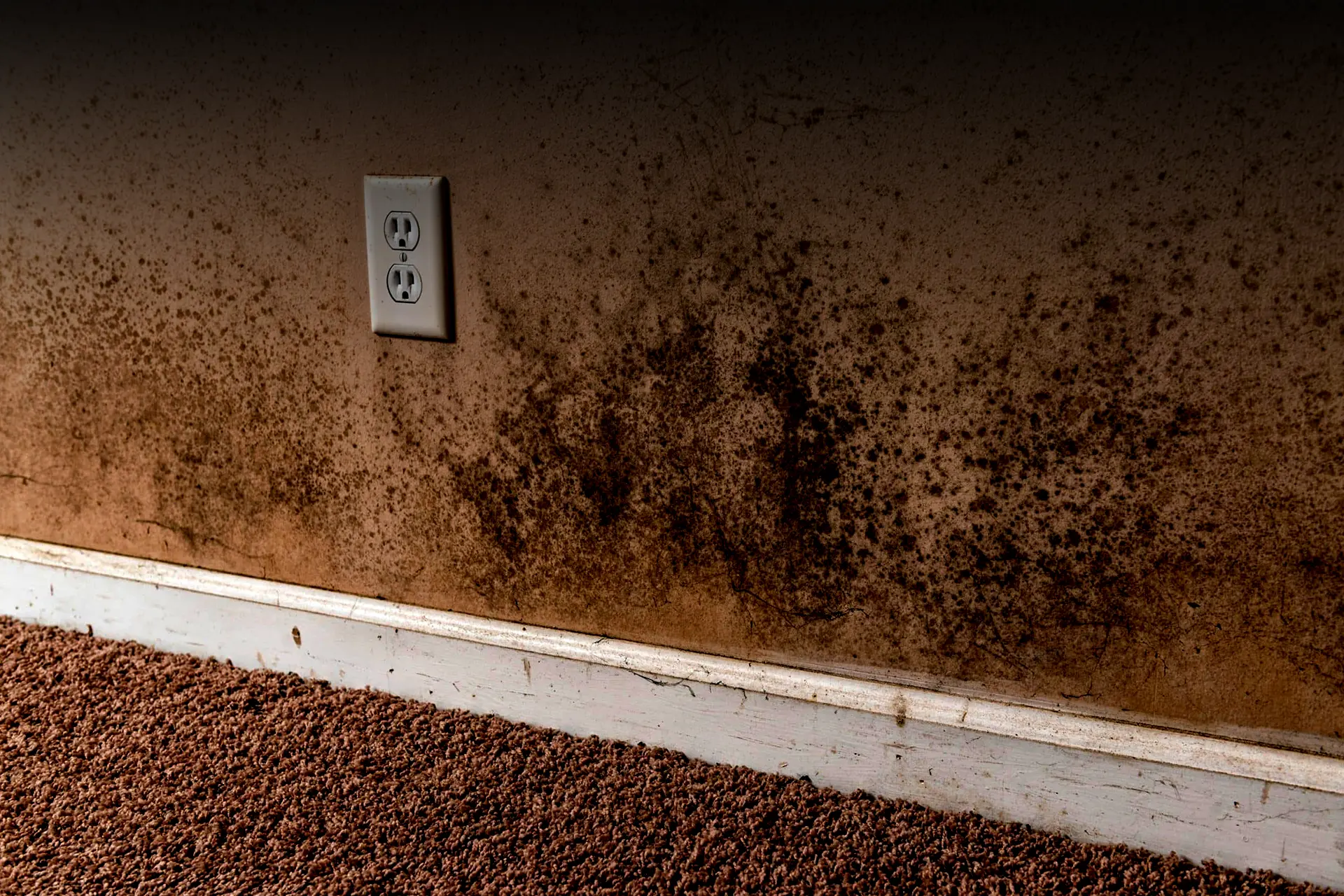
If you've been devastated by water, mold, fire, and/or smoke damage, know that your cherished possessions, your home or business, can all be restored to pre-damage condition; bringing back your peace of mind.
Whether water, mold, fire, or smoke causes damage to your home or business, the effects are heartbreaking and often life-changing. We at All Clean Restoration understand the devastation and pain these events can cause. We also understand that quick and proper action is crucial to prevent further damage, red tape, and cost.
Call us any time, day or night:
1-800-4223944
Related Topics:
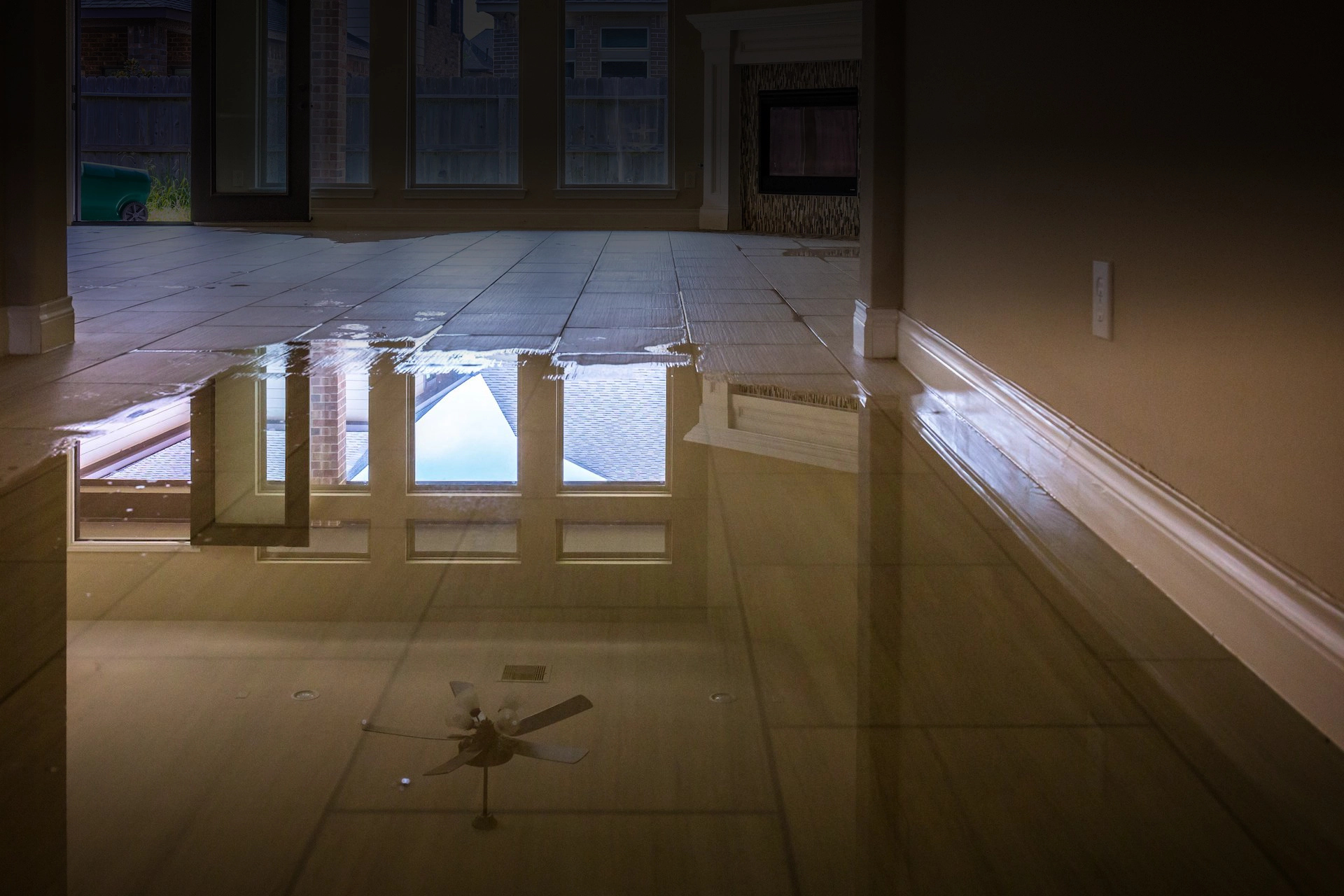
Water under your beautiful Missouri or Illinois flooring is a homeowner’s worst fear. Whether it’s from a leaky pipe, an accidental spill, or an overflowing appliance, water can wreak havoc. It can cause your floors to warp, buckle, and even lead to the growth of unhealthy mold.
Water can find its way under flooring for many reasons, including foundation issues, plumbing leaks, or unexpected flooding. If not addressed promptly and professionally, water intrusion can lead to expensive repairs, significant health risks from mold, and a decrease in your property’s value.
Key Takeaways
- Water under your Missouri or Illinois flooring can lead to warping, buckling, and mold growth.
- Common causes include leaky pipes, spills, appliance malfunctions, and even significant flooding.
- Prompt action is essential to prevent further damage and costly repairs.
- Ignoring water damage can result in extensive structural damage and potential health hazards.
- Unaddressed water damage can significantly decrease your Missouri or Illinois property value.
What Happens If Water Gets Under My Flooring in Missouri & Illinois?
It’s crucial for homeowners to understand the severe consequences of water damage under their flooring. Water can cause floors to warp, buckle, and develop mold, severely impacting the floor’s appearance and structural integrity.
Many scenarios can lead to water getting under your flooring, from everyday spills and high indoor humidity to hidden leaks in your plumbing system. These issues can allow water to seep beneath your floors, causing significant damage if not addressed quickly and effectively by professionals.
Water under flooring can lead to several critical problems:
- Warping and buckling of the flooring material due to moisture absorption, ruining its appearance and stability.
- Mold and mildew growth, which can pose serious health risks to occupants and further damage your flooring and subfloor.
- Deterioration of the subfloor, potentially leading to structural issues that compromise the safety and stability of your home.
Identifying the source of water damage is key to effective restoration. Homeowners should be vigilant for signs of moisture, regularly check for leaks, and ensure their homes are well-ventilated. Understanding the dynamics of water damage can help protect your floors and your entire home.
Identifying Signs of Water Under Flooring in Missouri & Illinois
There are clear indicators that suggest water is under your flooring. It’s vital to spot these signs early to prevent more extensive and costly damage.
Be on the lookout for dark spots, warped boards, and a peeling finish. Also, pay attention to loose boards and squeaky floors. These signs might seem minor, but a closer inspection can reveal the severity of the underlying damage.
Visual Inspection
Visually inspecting your floor is the first crucial step in identifying water damage. Begin by thoroughly examining your flooring for any suspicious signs:
- Look for any discoloration or darkening of the flooring material.
- Check for warped or buckled boards that indicate moisture absorption.
- Inspect the finish for blisters or peeling, which are common signs of water exposure.
- Carefully check for loose or uneven boards underfoot.
- Notice any squeaky spots when walking on the floor, as this can signal moisture issues.
Utilizing a moisture meter can also help determine the extent of the damage. By identifying these signs early and conducting a detailed check, you can address the problem quickly and efficiently.
How All Clean Restoration Fixes Water Damage Under Different Flooring Types
Fixing water damage under various flooring types requires a precise and thorough approach. First, our All Clean Restoration experts will pinpoint and address the source of the water to prevent any further damage.
To effectively mitigate and restore water damage, we follow these essential steps:
- Identify and address the source of the water damage to stop the flow immediately.
- Remove the affected flooring to accurately assess the full extent of the damage to the subfloor and surrounding structures.
- Thoroughly dry the subfloor using advanced drying equipment to prevent mold growth and further deterioration.
- Check for mold growth and perform professional mold remediation if necessary, ensuring a safe and healthy environment.
Fixing Water Damage Under Hardwood Flooring
Hardwood flooring demands swift and specialized action. Our team will carefully remove the damaged planks and meticulously dry the subfloor. If the damage is extensive, we can seamlessly replace sections, restoring the beauty and integrity of your hardwood floors.
Fixing Water Damage Under Laminate and Tile Flooring
For laminate and tile, our process involves removing the damaged sections, thoroughly drying the subfloor, and investigating for any hidden issues that contributed to the water intrusion. We ensure every aspect of the damage is addressed.
Conclusion: Preventing Water Damage to Your Missouri & Illinois Floors with All Clean Restoration
Keeping water away from your floors is paramount to their health, longevity, and your property’s value. Understanding the dangers of water under flooring highlights why prompt action and professional intervention from All Clean Restoration are crucial.
Regular inspections can help you spot problems before they escalate. Strategically placing mats and rugs in high-moisture areas, such as entryways and by sinks, provides an excellent first line of defense. Most importantly, cleaning up spills immediately stops water from seeping under your floor.
For ultimate protection, considering water-resistant flooring options like luxury vinyl or porcelain tiles adds an extra layer of security. By adopting these preventative measures and partnering with All Clean Restoration, homeowners in Missouri and Illinois can significantly reduce the risk of water damage, keeping their floors safe, strong, and beautiful.
Revive Your Property with All Clean Restoration in Missouri & Illinois!
From water damage restoration to mold remediation, and even fire damage restoration, All Clean Restoration delivers fast, professional, and reliable solutions tailored to your needs across Missouri and Illinois. Restore your space and peace of mind—contact us today for a free consultation!
Recent Blog Articles:

4 Steps to Protect from High Winds Before the Storm

Navigating the Aftermath: A Guide to Flood Damage Moisture Control

From Chaos to Clean: Your Guide to Fire Damage Restoration in Illinois and Missouri

The Silent Threat: How a Leaking Water Heater Could Be a Ticking Time Bomb
All Clean Restoration's Other Services
Whether water, mold, fire, or smoke causes damage to your home or business, the effects are heartbreaking and often life-changing. We at All Clean Restoration understand the devastation and pain these events can cause. We also understand that quick and proper action is crucial to prevent further damage, red tape, and cost.

Licensed | Bonded | Insured