LICENSED | BONDED | INSURED
618-235-3202
Why DIY Water Damage Cleanup Often Leads to Mold

If you've been devastated by water, mold, fire, and/or smoke damage, know that your cherished possessions, your home or business, can all be restored to pre-damage condition; bringing back your peace of mind.
Whether water, mold, fire, or smoke causes damage to your home or business, the effects are heartbreaking and often life-changing. We at All Clean Restoration understand the devastation and pain these events can cause. We also understand that quick and proper action is crucial to prevent further damage, red tape, and cost.
Call us any time, day or night:
1-800-4223944
Related Topics:
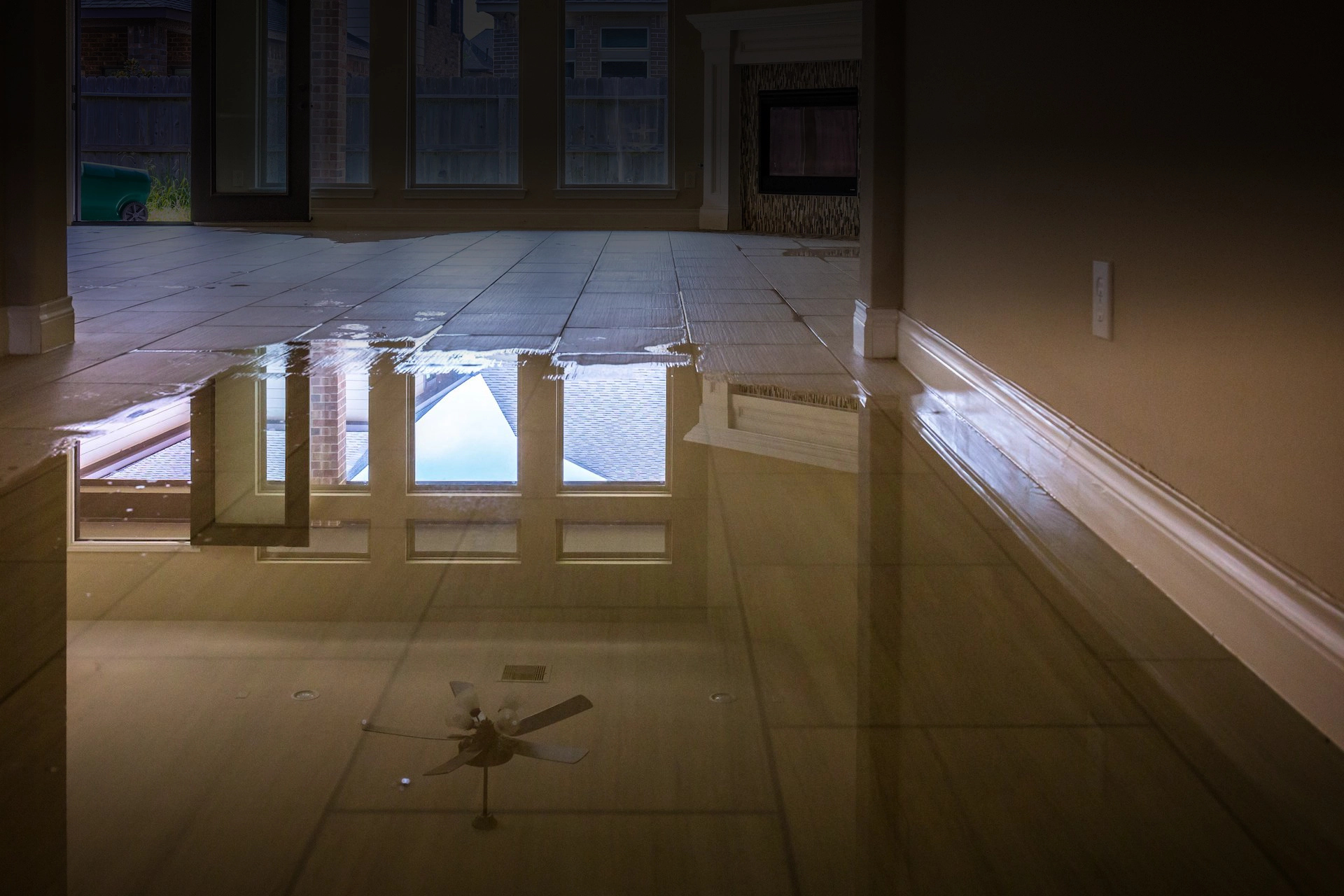
In the age of YouTube tutorials and home improvement stores, many homeowners believe that a “can-do” attitude and a heavy-duty Shop-Vac are all they need to handle a flooded basement or a leaking pipe. While self-reliance is an admirable trait, applying it to water damage is one of the most expensive mistakes a property owner can make.
Water damage is deceptive. What looks like a simple cleanup job on the surface is often a complex thermodynamic problem occurring beneath the floorboards and behind the drywall. At All Clean Restoration, we frequently receive calls from homeowners who “cleaned up” a leak themselves two months prior, only to find that their home now smells like a swamp and their family is suffering from mysterious respiratory issues.
The “Surface Dry” Illusion
The biggest danger of DIY water cleanup is the “Surface Dry” illusion. When you use a household vacuum to suck up water and put a couple of box fans in a room, the carpet might feel dry to your hand within 24 hours. However, the carpet is only the top layer of a multi-layer system.
Underneath that carpet is a pad, which acts like a giant sponge. Under the pad is the subfloor (often plywood or OSB), and under that are the floor joists. Standard fans do not have the static pressure required to push air through the carpet and pad to reach the subfloor. Consequently, while the surface feels dry, the subfloor remains saturated. This creates a “dark, damp sandwich” that is the perfect incubator for mold and wood rot.
The Physics of Water: Wicking and Vapor Pressure
Water doesn’t stay where it lands. Through capillary action, water wicks into porous materials. It will travel up the wooden studs inside your walls and move horizontally across a concrete slab through microscopic pores.
Furthermore, as water begins to evaporate (especially when using inefficient fans), it increases the vapor pressure in the room. If the air isn’t being professionally dehumidified, that moisture in the air will seek out the driest materials in the room to land on—including your furniture, your books, and even the drywall on the opposite side of the house. This is how a “local” leak in the kitchen can cause mold to grow in a nearby closet.
Equipment: Shop-Vacs vs. Industrial Extraction
A high-end consumer Shop-Vac is designed for sawdust and small spills; it is not designed for structural water extraction. Professional restoration teams like All Clean use truck-mounted extraction units that pull a massive vacuum. This allows us to actually “squeeze” water out of the carpet pad and subfloor without always having to rip the carpet out.
Moreover, the fans you buy at a big-box store are “high volume” but “low pressure.” Professional air movers are designed to create a laminar airflow that “hugs” the floor and walls, breaking the “boundary layer” of moisture and forcing evaporation. Without the industrial-grade LGR (Low Grain Refrigerant) dehumidifiers we use, the air in the room will quickly become “saturated,” meaning no more drying can occur regardless of how many fans you have running.
The Cost of “Re-Work”
The financial argument for DIY cleanup often falls apart when you consider the cost of “re-work.”
- Scenario A (Professional): You call All Clean immediately. We dry the structure in 3-4 days. The drywall is saved, the hardwood is saved, and your insurance covers the mitigation.
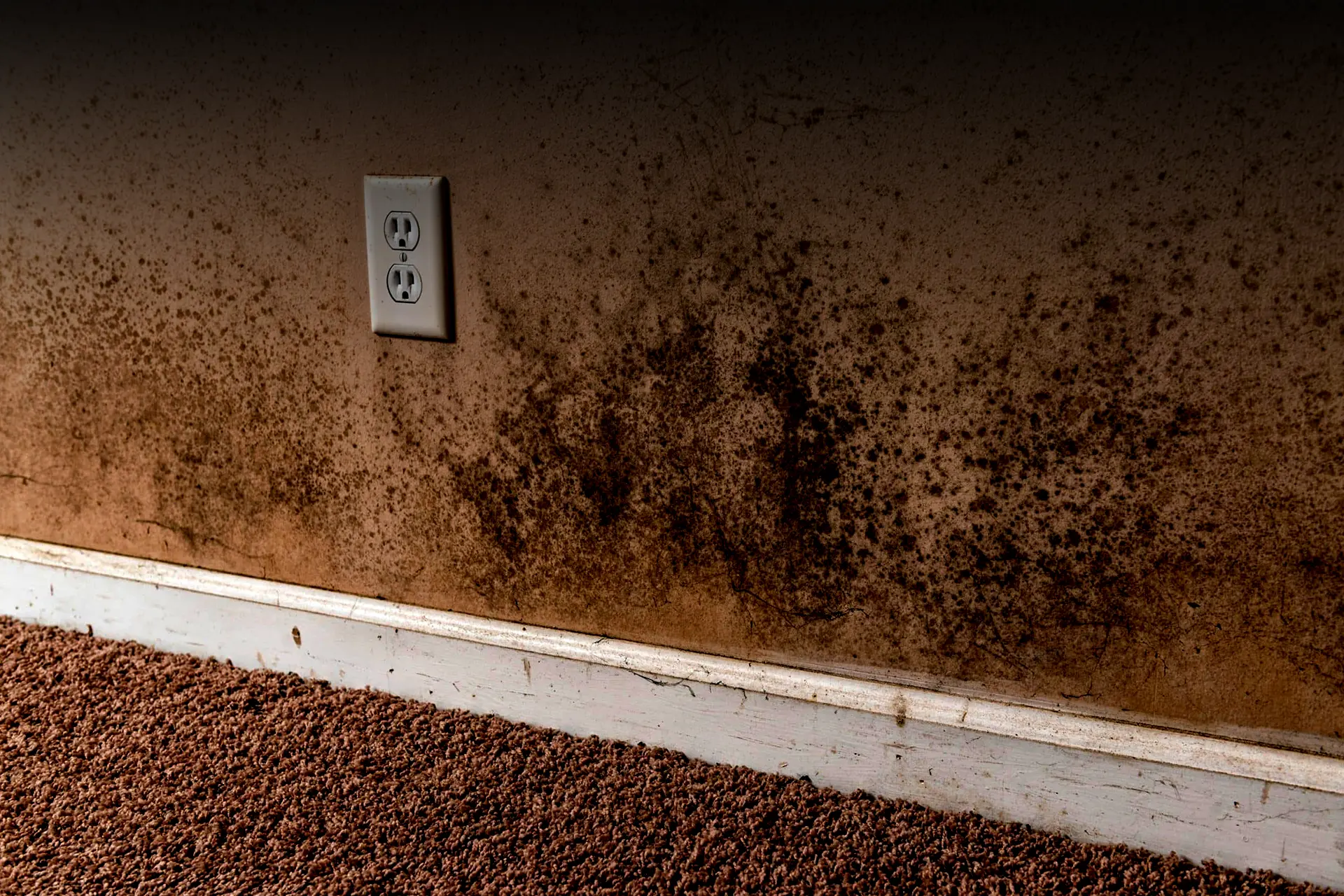
- Scenario B (DIY): You spend two days vacuuming and drying with fans. You think it’s fine. Two months later, the baseboards start to warp, and a black stain appears on the wall. Now, you have a mold remediation project. You have to tear out the drywall, replace the flooring, and treat the studs. This can cost 5 to 10 times more than the original dry-out would have cost.
Furthermore, many insurance companies will deny a mold claim if they find that the initial water loss was not mitigated by a certified professional. They view it as a “preventable” loss.
The Science of Psychrometrics
At All Clean Restoration, we don’t guess when a house is dry; we prove it. We use the science of Psychrometrics—the study of the thermodynamic properties of moist air. We monitor:
- Ambient Temperature and Relative Humidity: To ensure the environment is optimized for evaporation.
- Grains Per Pound (GPP): A precise measurement of how much water is actually in the air.
- Moisture Content of Materials: Using “invasive” and “non-invasive” moisture meters to ensure the wooden studs are back to their “dry standard” (usually below 12%).
We maintain a “Daily Drying Log.” This clinical documentation is your insurance policy against future mold growth and is essential for maintaining your property’s value during a future home sale.
45 Years of Expertise
Since 1980, All Clean Restoration has been helping neighbors in the St. Louis Metro area and Southern Illinois avoid the pitfalls of DIY disasters. We understand that your home is your biggest investment. Our approach is formal, transparent, and grounded in the latest restoration science.
Conclusion: Protect Your Home, Not Just Your Floor
If you experience a water-related problem, your first call should be to a professional who can assess the “hidden” moisture you can’t see. Don’t let a small leak turn into a structural nightmare.
Call All Clean Restoration 24/7. We’ll get it dry, we’ll get it clean, and we’ll get it done right the first time.
- Illinois: 618-235-3202
- Missouri: 314-454-0442
Recent Blog Articles:

The Water Stain That Changed Everything: When Your Kitchen Floor is Compromised

Mold: The Black Spots Behind Your Kitchen Sink: A Mother’s Worst Fear

When Water Damage Invades Your Safe Haven: Finding Peace in the Chaos

Your Pipes May Be Freezing Right Now: The $10,000 Mistake Most Homeowners Make This Winter
All Clean Restoration's Other Services
Whether water, mold, fire, or smoke causes damage to your home or business, the effects are heartbreaking and often life-changing. We at All Clean Restoration understand the devastation and pain these events can cause. We also understand that quick and proper action is crucial to prevent further damage, red tape, and cost.

Licensed | Bonded | Insured