LICENSED | BONDED | INSURED
618-235-3202
Your Pipes May Be Freezing Right Now: The $10,000 Mistake Most Homeowners Make This Winter

If you've been devastated by water, mold, fire, and/or smoke damage, know that your cherished possessions, your home or business, can all be restored to pre-damage condition; bringing back your peace of mind.
Whether water, mold, fire, or smoke causes damage to your home or business, the effects are heartbreaking and often life-changing. We at All Clean Restoration understand the devastation and pain these events can cause. We also understand that quick and proper action is crucial to prevent further damage, red tape, and cost.
Call us any time, day or night:
1-800-4223944
Related Topics:
When winter’s icy grip settles over Belleville and the St. Louis Metropolitan area, homeowners face a lurking menace that often strikes without warning. While you’re focused on staying warm and navigating snowy roads, frigid temperatures are quietly setting the stage for catastrophic water damage that can cost thousands of dollars and disrupt your life for weeks.
At All Clean Restoration, we’ve responded to countless emergency water removal calls during Illinois and Missouri winters. After more than 45 years serving the bi-state metro area, we’ve seen firsthand how quickly frozen pipe damage can transform a peaceful winter evening into a homeowner’s nightmare. The truth is, most people don’t realize they have a problem until water is already pooling on their floors.
When Pipes Freeze: A Ticking Time Bomb in Your Walls
Frozen pipes represent one of the most deceptive forms of water damage. The danger doesn’t occur when the pipe freezes—it happens when it thaws. As water freezes inside your plumbing, it expands with tremendous force, creating microscopic cracks or even catastrophic ruptures in the pipe walls. You might not notice anything wrong until temperatures rise and water begins flowing again, only to discover it’s now flooding your basement, crawlspace, or walls.
The most vulnerable pipes are those in unheated areas: exterior walls, attics, basements, and crawlspaces. In older homes throughout Collinsville, Edwardsville, and O’Fallon, inadequate insulation leaves these pipes exposed to freezing conditions night after night. Modern homes aren’t immune either—a single uninsulated section can lead to a broken pipe and extensive water damage.
The Hidden Cost of Delayed Action
What makes frozen pipe damage particularly insidious is that the destruction continues long after the initial burst. Water seeps into wall cavities, soaks insulation, saturates drywall, and penetrates subflooring. Within 24-48 hours, mold begins to colonize these damp materials. By the time you notice water stains on your ceiling or a musty smell in your basement, the mold remediation required may rival the cost of the original water damage repair.
According to industry research, homeowners who delay water mitigation or repair end up paying significantly more—often 67% more than those who act immediately. This isn’t just about money. It’s about protecting your family’s health from mold exposure and preventing permanent structural damage to your home.
Ice Dams: The Rooftop Menace
While frozen pipes hide in your walls, ice dams announce their presence more dramatically—though their damage is no less severe. These ridges of ice form along your roof’s edge when heat from your attic melts snow on the upper portion of your roof. The melted water runs down to the colder eaves, where it refreezes, creating a dam that traps subsequent meltwater.
This trapped water has nowhere to go but under your shingles and into your home. Residents throughout Fairview Heights, Glen Carbon, and Highland have discovered water stains spreading across their ceilings, dripping down walls, and saturating insulation—all caused by ice dams they didn’t even know existed.
The water damage from ice dams often affects multiple areas simultaneously: attic insulation becomes waterlogged and loses its effectiveness, ceiling drywall swells and sags, paint bubbles and peels, and if left unchecked, structural wood begins to rot. Unlike obvious disasters like burst pipes, ice dam damage accumulates slowly, making it easy to underestimate until you’re facing major repairs.
The Sump Pump Failure Scenario
Winter presents unique challenges for sump pumps—the very systems designed to protect your basement from water damage. When temperatures plummet, discharge lines can freeze solid, rendering your sump pump useless just when you need it most. The pump continues to run, but water has nowhere to go, leading to sump pump backups that flood your basement.
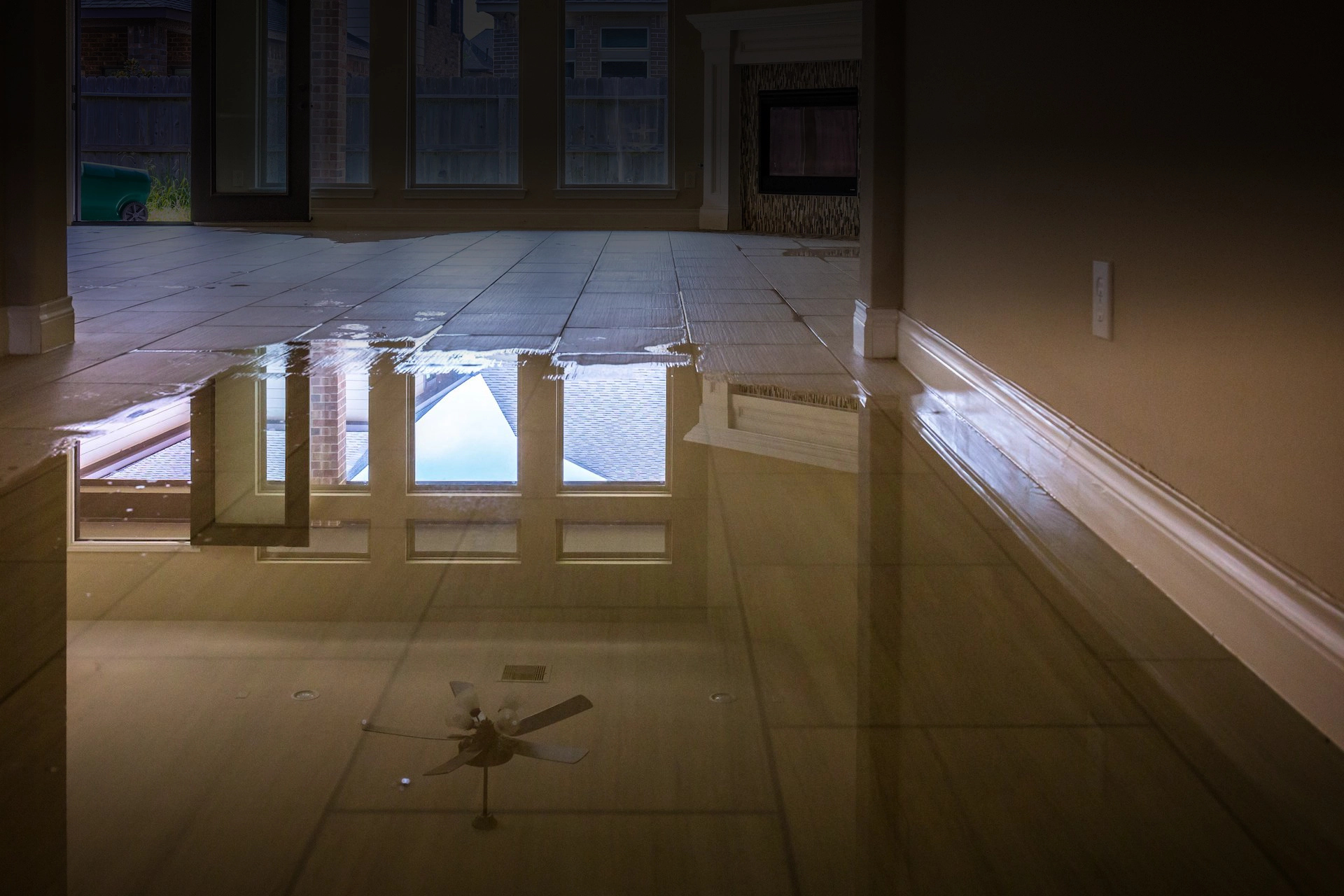
Power outages during winter storms compound this problem. Your sump pump sits silent while snowmelt and groundwater accumulate in your basement. By the time power returns, you may be facing inches of standing water and extensive basement water damage. Homeowners in Waterloo, Troy, and Mascoutah know this scenario all too well—ice storms knock out power, and basement flooding follows.
The Cascade Effect: How Small Problems Become Major Disasters
What starts as a small leak from frozen pipe damage rarely stays contained. Water follows the path of least resistance, traveling along joists, dripping through floors, and pooling in walls. A burst pipe in your attic doesn’t just damage the attic—it affects every level below. Water soaks through insulation, drips onto drywall, runs down wall studs, spreads across ceilings, saturates carpets and flooring, and seeps into electrical systems.
This cascade effect explains why emergency water removal is so critical. Every hour that passes allows water to penetrate deeper into your home’s structure. What could have been a relatively simple water extraction and drying process becomes a comprehensive restoration project involving multiple rooms, extensive demolition, and weeks of reconstruction.
The Mold Timeline: A Race Against Time
Temperature and moisture create perfect conditions for mold growth. The mold spores present in every home remain dormant until they encounter damp conditions. Once water damage occurs, you have approximately 24-48 hours before mold begins to colonize wet materials. Within a week, you may need professional mold removal and remediation instead of simple water damage cleanup.
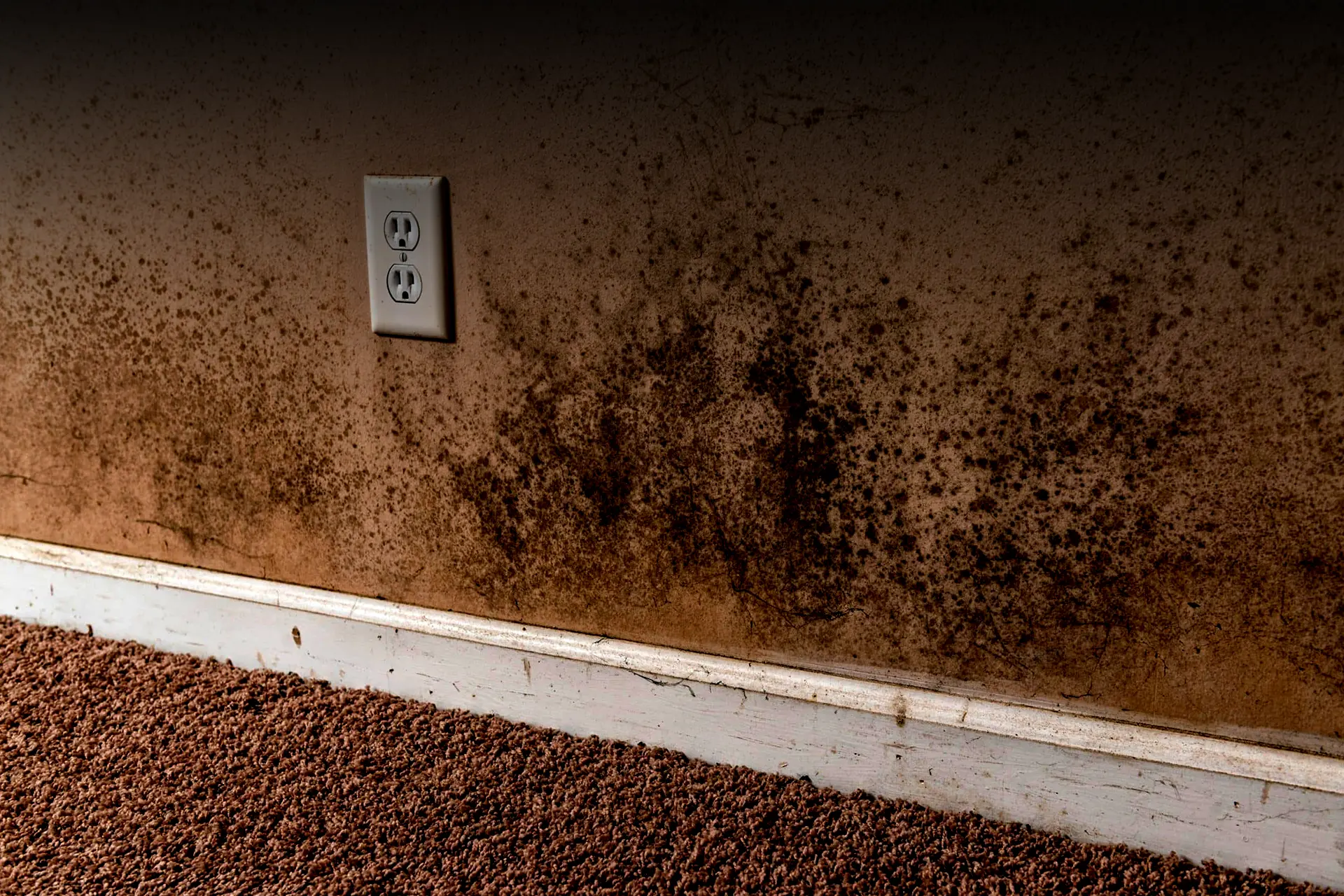
The hidden nature of winter water damage makes this timeline particularly dangerous. You might not discover the leak immediately, giving mold a head start. By the time you notice that musty odor or those telltale black spots, mold colonies may have spread throughout wall cavities, behind baseboards, and under flooring—areas you can’t see without opening up your home.
Mold isn’t just unsightly. It poses serious health risks, particularly for children, elderly family members, and anyone with respiratory conditions. The longer mold remains in your home, the more extensive the remediation required and the greater the health risk to your family.
Why Professional Water Damage Restoration Matters
When winter strikes and you’re facing water damage, the temptation to handle it yourself is understandable. You might think you can mop up the water, set up some fans, and move on. Unfortunately, this approach virtually guarantees future problems. Professional water damage restoration involves far more than visible water removal.
At All Clean Restoration, our IICRC-certified technicians use thermal imaging to locate hidden moisture, industrial-grade water extraction equipment to remove standing water efficiently, commercial dehumidifiers to dry structural materials thoroughly, moisture meters to verify complete drying, and antimicrobial treatments to prevent mold growth. We document every step for insurance purposes and ensure your home is truly restored, not just superficially cleaned.
The difference between DIY cleanup and professional water damage services often determines whether you’re dealing with a one-time incident or recurring mold problems and structural issues for years to come.
Prevention: Your First Line of Defense
While All Clean Restoration stands ready 24/7 for emergency water removal when disaster strikes, prevention offers the best protection. Simple steps can dramatically reduce your risk of winter water damage. Insulate pipes in unheated areas including basements, attics, and crawlspaces. During extreme cold, let faucets drip slightly to prevent freezing. Keep your thermostat consistent, even when traveling. Ensure proper attic insulation and ventilation to prevent ice dams. Test your sump pump regularly and consider a battery backup system. Seal air leaks around pipes where they enter your home.
These preventive measures cost far less than water damage repair and provide peace of mind throughout winter’s worst weather.
When Disaster Strikes: The All Clean Restoration Response
Despite your best prevention efforts, emergencies happen. A polar vortex pushes temperatures to record lows, a power outage disables your heating system, or an aging pipe simply gives out after decades of service. When you discover water damage, every minute counts.
All Clean Restoration provides 24/7 emergency response throughout Belleville, Western Illinois, and the St. Louis Metro area. We answer the phone or call you back within 30 minutes, day or night. Our team arrives on-site ready to begin immediate water mitigation, stopping the damage from spreading while you’re still processing what happened.
We understand the stress and disruption water damage causes. That’s why we handle every aspect of restoration—from initial emergency water removal through complete repair and restoration of drywall, flooring, cabinets, and all affected contents. We work directly with your insurance company, documenting damage and losses thoroughly to minimize your financial burden.
The All Clean Difference
As a local, family-owned and operated company serving the bi-state metro area since 1981, we’re not just contractors—we’re your neighbors. When you call All Clean Restoration, you’re reaching experienced professionals who understand the unique challenges winter presents in our region. We’ve seen how quickly weather can change in Illinois and Missouri, how ice storms can paralyze entire communities, and how devastating the aftermath can be for unprepared homeowners.
Our commitment goes beyond technical expertise. We prioritize clear communication, walking you through every step of the restoration process. We know this might be your first experience with serious water damage, and we’re here to guide you through it with patience and compassion.
Don’t Wait Until It’s Too Late
Winter water damage doesn’t announce itself with fanfare. It creeps into your home silently, hidden behind walls and under floors. By the time you notice the signs—water stains, musty odors, warped flooring, or peeling paint—the damage may be extensive. The cost of ignoring early warning signs always exceeds the cost of professional inspection and repair.
If you suspect water damage, notice unexplained increases in your water bill, hear running water when all fixtures are off, or detect musty odors in your home, don’t wait. Contact All Clean Restoration immediately for a free estimate. Our experienced technicians can assess the situation, identify hidden damage, and develop a comprehensive restoration plan before minor issues become major disasters.
Serving Your Community When You Need Us Most
From Alton to Waterloo, from Granite City to Columbia, All Clean Restoration has built a reputation for reliability and excellence over more than four decades. We’re licensed, bonded, and insured, with certifications from the Institute of Inspection Cleaning and Restoration Certification (IICRC). Our 5-star Google rating reflects our commitment to customer satisfaction and quality workmanship.
When winter’s frigid temperatures threaten your home with frozen pipes, ice dams, or sump pump failures, remember that help is just a phone call away. All Clean Restoration provides the emergency water removal, water damage restoration, and peace of mind you need to weather the storm.
Don’t let winter water damage destroy your home and disrupt your life. Contact All Clean Restoration at 618-235-3202 for 24/7 emergency service. We’ll answer within 30 minutes and be on-site ready to protect your property, restore your home, and bring back your peace of mind.
Because when it comes to water damage, the hidden dangers are often the most destructive—and the most preventable with professional help.
Recent Blog Articles:

Navigating the Aftermath: A Guide to Flood Damage Moisture Control

From Chaos to Clean: Your Guide to Fire Damage Restoration in Illinois and Missouri

The Silent Threat: How a Leaking Water Heater Could Be a Ticking Time Bomb

Mold is Back? Here’s Why Mold Remediation Isn’t Just a One-Time Fix
All Clean Restoration's Other Services
Whether water, mold, fire, or smoke causes damage to your home or business, the effects are heartbreaking and often life-changing. We at All Clean Restoration understand the devastation and pain these events can cause. We also understand that quick and proper action is crucial to prevent further damage, red tape, and cost.

Licensed | Bonded | Insured